







color is one of the maximum powerful tools in home design, influencing temper, perception, and usual environment. the colours you pick out for walls, furniture, décor, and add-ons can evoke emotions, beautify capability, or even have an effect on energy stages. know-how the psychology of shade permits owners to craft areas that sense balanced, welcoming, and aligned with their non-public life. thoughtful coloration choice is going past aesthetics—it shapes stories, guides conduct, and creates an environment that supports both rest and activity.
every room in a domestic serves a motive, and the right colour selections can beautify those features. whether aiming for calm and serenity in a bed room, energy and creativity in a workspace, or warmth and sociability in a living room, color performs a pivotal role. Combining psychological perception with design standards lets in you to create interiors which are visually beautiful and emotionally resonant. the key lies in understanding how colorations have interaction, how they mirror mild, and how they affect the human thoughts.
knowledge the Emotional impact of shade
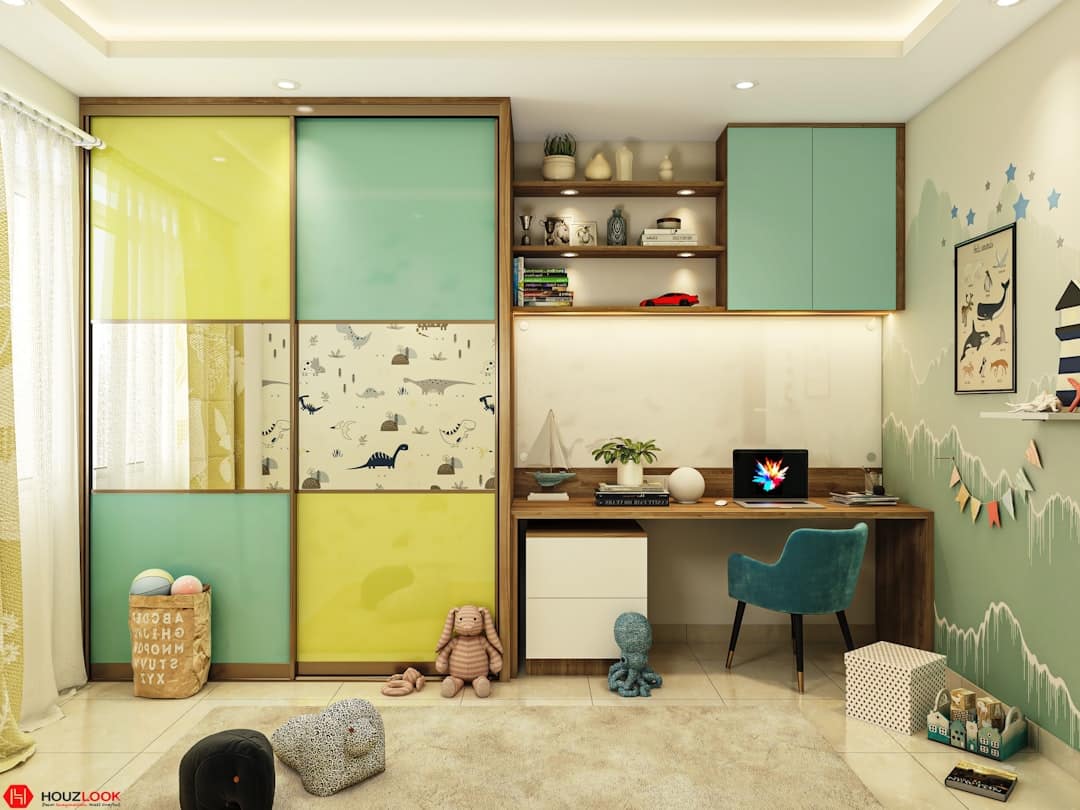
colorations are deeply tied to feelings and perceptions. each hue incorporates institutions that can influence temper and behavior. heat colours consisting of reds, oranges, and yellows are often related to strength, pleasure, and stimulation. they are best for regions where social interaction, pastime, or creativity is recommended, inclusive of living rooms, kitchens, or play regions. however, overuse of formidable heat tones can sense overwhelming, so balancing them with impartial or cooler accents is critical.
Cool hues, along with blues, vegetables, and purples, evoke calm, relaxation, and tranquility. they may be mainly powerful in bedrooms, lavatories, or analyzing nooks in which serenity and restfulness are desired. green, associated with nature, can deliver a feel of renewal and harmony, even as blue promotes focus and mental clarity. Cool colours have a tendency to recede visually, making spaces experience larger and greater open.
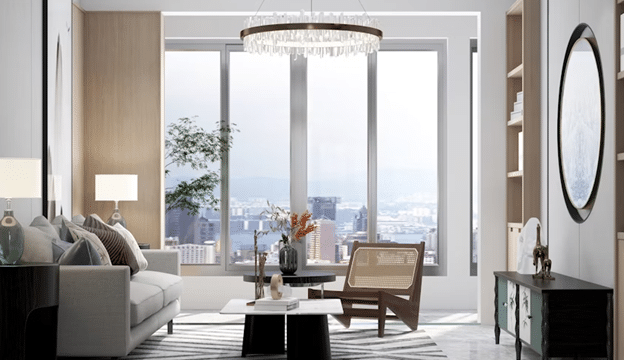
impartial tones—whites, grays, beiges, and taupes—serve as flexible backdrops that guide different colorations and textures. Neutrals provide balance, create a sense of spaciousness, and allow accent colours to polish. they may be perfect for open-concept spaces or rooms in which multiple features coexist, imparting continuity and cohesion. whilst layered with texture, materials, and subtle color versions, impartial interiors can feel wealthy and welcoming in preference to bland.
The psychological impact of shade additionally relies upon on depth and saturation. ambitious, saturated colorings make a robust announcement and draw interest, even as muted, smooth sun shades are calming and unobtrusive. know-how the desired temper helps decide whether a colourful or subdued technique is appropriate. as an instance, a bright crimson accessory wall can energize a home office, even as a pale blue wall in a bed room encourages rest and rest.
applying colour Strategically across areas
powerful shade utility requires intentionality. partitions, ceilings, flooring, furniture, and add-ons all engage, developing layered visual stories. In small spaces, lighter sunglasses can open up the room, reflecting light and developing a experience of depth. Darker hues, at the same time as cozy and dramatic, paintings exceptional in large rooms or as accessory functions to avoid feeling oppressive.
Zoning is every other vital attention. In open-concept layouts, shade can outline regions without bodily boundaries. A gentle inexperienced living vicinity subsequent to a warm-toned dining space signals purposeful differences even as preserving go with the flow. Consistency in undertones across zones guarantees concord, stopping abrupt or jarring transitions.
accessory colors play a vital function in developing consciousness and persona. They can be added through fixtures, artwork, textiles, or decorative elements. A unmarried bold-coloured chair, patterned throw, or vibrant vase attracts the attention and provides man or woman without dominating the distance. Complementary color schemes, the use of colors opposite every different at the colour wheel, create dynamic evaluation, even as analogous schemes, with neighboring shades, provide concord and subtlety.
coloration temperature also impacts notion. warm-toned lights enhances reds, oranges, and yellows, growing cozy atmospheres. Cool-toned lighting fixtures enhances blues, vegetables, and purples, reinforcing calmness. considering both herbal and artificial mild guarantees that colours carry out as meant during the day and throughout special rooms.
the use of colour to persuade notion and capability
shade can control the perception of area and proportions. Lighter sunglasses make small rooms sense larger and greater open, even as darker tones upload intimacy and depth to expansive spaces. Vertical stripes could make ceilings seem higher, and horizontal stripes can widen narrow rooms. by way of expertise those visible outcomes, house owners can optimize each square foot and decorate architectural features.
capability is likewise motivated via colour. In kitchens, shiny and lively colorations can stimulate appetite and create an inviting environment for family gatherings. In domestic offices, cooler sunglasses like soft blue or muted inexperienced guide concentration and reduce visual fatigue. Bedrooms advantage from calming tones that sell rest, even as toilets can also comprise refreshing colorings to invigorate the senses.
past person rooms, shade consistency during the house affects general glide. Cohesive coloration palettes create a experience of unity, making transitions from one place to some other sense herbal. this is in particular crucial in open-idea houses, in which more than one functions share a unmarried space. Repeating accent hues in fixtures, décor, or artwork hyperlinks extraordinary zones visually, ensuring a seamless experience.
Textures and materials further decorate color psychology. Matte finishes soften the depth of colourful colorations, while sleek surfaces mirror light and upload power. natural substances, like wood, stone, and woven textiles, increase the palette and create a tactile connection that complements consolation and warmth. Layering textures with complementary colorations produces depth and interest without overwhelming the senses.
personal Expression and timeless design
whilst psychology presents hints, private preference is critical in developing a domestic that resonates. Your shade picks need to mirror your persona, way of life, and emotional needs. Experimenting with extraordinary shades through sample paints, textiles, or décor lets in you to gauge reactions before committing to a complete design. Small changes, like accent partitions or detachable wallpapers, also can provide flexibility and adaptability through the years.
trends in coloration can inspire layout, but a timeless method guarantees durability. impartial and versatile palettes form the inspiration, at the same time as pops of seasonal or ambitious hues can be incorporated thru add-ons or assertion portions. This method balances current style with lasting enchantment, making the home adaptable and resilient to changing tastes.
colour can also tell a story within your home. Combining historical past tones, cultural affects, or non-public favorites adds narrative intensity, growing spaces that sense curated rather than commonplace. considerate colour layering enhances visible hobby, guiding the attention and evoking the desired mood in every region.
in the long run, know-how the psychology of color empowers homeowners to make deliberate alternatives that enhance each aesthetics and functionality. From mood-setting to spatial belief, shade shapes how areas are experienced and the way people sense inside them. whilst carried out strategically, coloration transforms homes into cohesive, harmonious environments that replicate personality, aid properly-being, and create lasting impressions.
by using combining understanding of shade psychology with practical design ideas, you may craft interiors that aren’t handiest beautiful however also emotionally resonant. every hue, coloration, and accessory contributes to the surroundings, growing a domestic that feels intentional, balanced, and complete of person. thoughtful coloration layout ensures that every room supports its motive while promoting comfort, connection, and pleasure for all who inhabit it.