







Scandinavian Home Interior Design
Scandinavian home interior design has gained global popularity due to its simplicity, functionality, and timeless elegance. Originating from the Nordic countries, this design philosophy emphasizes minimalism, natural materials, light-filled spaces, and clean lines. Scandinavian interiors focus on creating calm, comfortable, and practical environments that reflect the harmony between functionality and aesthetics. This style is ideal for modern homeowners who value simplicity, cozy atmospheres, and a connection with nature.
The Core Principles of Scandinavian Design
Scandinavian interior design is guided by several core principles, including minimalism, functionality, natural elements, and comfort. The philosophy is centered around creating spaces that are practical yet visually appealing. Clutter is minimized, and furniture is chosen for its usefulness as well as its design. Light, neutral colors dominate the palette to enhance natural light and create a sense of spaciousness. Scandinavian design prioritizes clean lines, simplicity, and understated elegance to achieve a balanced and inviting home environment.
Light and Neutral Color Palettes
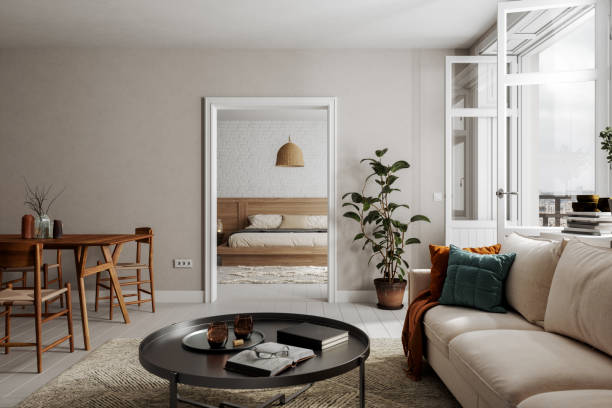
A hallmark of Scandinavian interiors is the use of light and neutral color schemes. White, soft grays, beige, and muted pastels form the base of most designs. These colors reflect natural light, making interiors appear bright, airy, and spacious. Accent colors are introduced sparingly through textiles, artwork, or furniture to add warmth and personality. Pale blues, soft greens, and muted yellows are common choices, enhancing the natural, serene ambiance that defines Scandinavian spaces.
Natural Materials and Textures
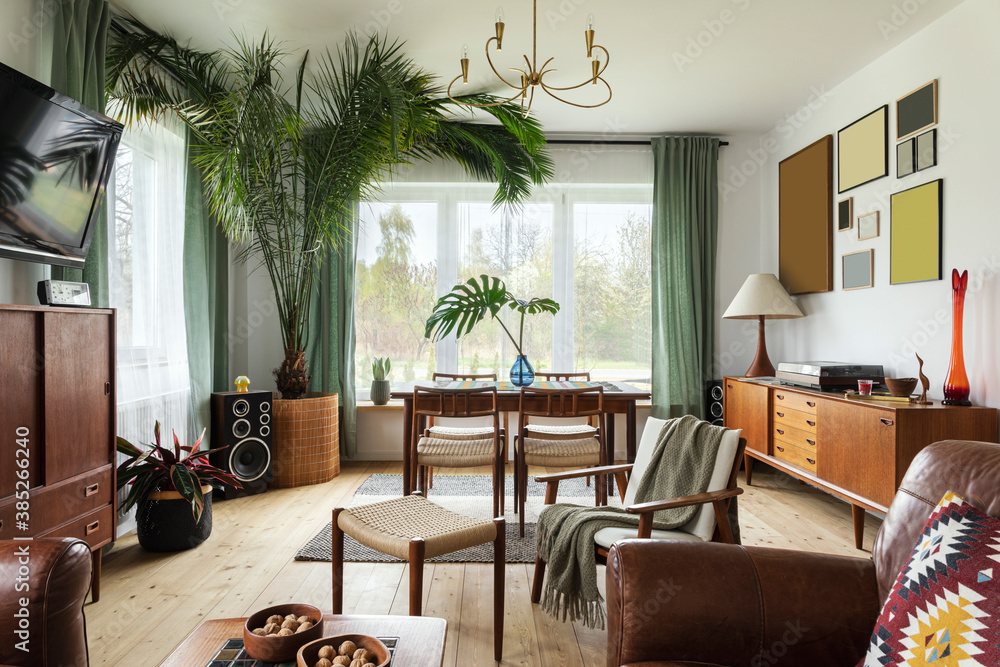
Natural materials play a crucial role in Scandinavian interior design. Wood, stone, leather, and wool are used extensively to bring warmth, texture, and a connection with nature. Light-colored woods such as oak, pine, and birch are preferred for flooring, furniture, and decorative elements. Textiles like wool rugs, linen curtains, and cotton cushions add softness and tactile comfort. The combination of natural materials and textures creates a cozy, inviting atmosphere that is both functional and aesthetically pleasing.
Minimalist Furniture and Layout
Scandinavian interiors emphasize minimalist furniture and uncluttered layouts. Furniture is often simple, functional, and elegant, with clean lines and understated designs. Multi-functional pieces, such as storage benches, foldable tables, and modular sofas, are popular for their practicality. Layouts are open and airy, allowing for ease of movement and a sense of spaciousness. Each piece of furniture is carefully chosen to serve a purpose while contributing to the overall harmony of the space. Scandinavian home interior design
Scandinavian Home Interior DesignEmbracing Natural Light
Natural light is a key element in Scandinavian interiors. Large windows, skylights, and glass doors are used to maximize daylight, creating bright and welcoming interiors. Mirrors and reflective surfaces amplify natural light, enhancing the sense of space. Light, airy curtains or blinds allow sunlight to filter in while maintaining privacy. The emphasis on natural light reduces reliance on artificial lighting during the day and fosters a connection with the outdoors, which is central to Scandinavian design.
Hygge: Creating Cozy and Comfortable Spaces
The concept of hygge, a Danish term for comfort and coziness, is integral to Scandinavian interiors. Soft textiles, warm lighting, and inviting furniture create intimate and relaxed spaces. Layered rugs, throws, cushions, and candles contribute to a sense of warmth and well-being. Hygge encourages homeowners to prioritize comfort and mindfulness, making spaces feel welcoming and lived-in. Scandinavian interiors balance minimalism with coziness to achieve both functional and emotionally satisfying environments.
Open Floor Plans and Functional Spaces
Open floor plans are common in Scandinavian interiors, promoting flexibility and a sense of continuity. Living, dining, and kitchen areas are often combined into a single flowing space, allowing for natural light and social interaction. Functional zones are defined subtly through furniture placement, rugs, or lighting rather than walls. Open layouts contribute to spaciousness, efficiency, and ease of movement, enhancing the overall usability of the home.
Scandinavian Kitchen Design
Scandinavian kitchens are functional, minimalist, and visually appealing. Cabinets are typically flat-fronted and handleless, emphasizing simplicity. White, gray, or light wood tones dominate, while open shelving and glass-fronted cabinets provide display opportunities. Countertops are durable, often in natural stone or light-colored materials, and appliances are integrated seamlessly to maintain a clean look. Scandinavian kitchens prioritize practicality without sacrificing style, combining elegance with functionality.
Bathrooms in Scandinavian Style
Scandinavian bathrooms focus on minimalism, functionality, and light. White tiles, light-colored wood, and neutral tones create a clean and airy atmosphere. Floating vanities, sleek fixtures, and wall-mounted storage optimize space while maintaining simplicity. Large mirrors enhance light and the sense of space, while minimal decor keeps the room uncluttered. Scandinavian bathrooms combine practicality with understated elegance, ensuring comfort and efficiency.
Living Room Design
The living room in a Scandinavian home is a cozy yet stylish retreat. Neutral color palettes, functional furniture, and natural materials dominate. Sofas and armchairs are simple but comfortable, often complemented by wool or linen textiles. Coffee tables, side tables, and storage units are designed to be practical and visually unobtrusive. Decor is minimal, with a focus on art, plants, and subtle accessories to create warmth without clutter. Layered lighting, including pendant lights, floor lamps, and candles, enhances the ambiance and supports hygge.
Bedroom Design
Scandinavian bedrooms are serene and restful spaces. Soft, neutral colors, natural wood furniture, and minimal decor promote relaxation. Beds are often low-profile with simple frames, complemented by soft bedding in natural fabrics. Storage is integrated seamlessly, with wardrobes, under-bed drawers, and shelving keeping clutter out of sight. The focus is on comfort and tranquility, creating a space conducive to rest and rejuvenation.
Scandinavian Lighting Solutions
Lighting is crucial in Scandinavian interiors, especially given the long, dark winters in Nordic countries. A mix of ambient, task, and accent lighting is used to create a balanced, inviting atmosphere. Pendant lamps, floor lamps, and wall sconces with clean designs complement the minimal aesthetic. Warm light tones enhance coziness, while strategically placed lighting highlights architectural features and artwork. Scandinavian lighting emphasizes both functionality and ambiance.
Incorporating Greenery
Indoor plants play an important role in Scandinavian interiors. They introduce color, life, and a connection with nature. Popular choices include potted trees, hanging plants, succulents, and herbs. Plants soften minimalist spaces and contribute to a calming, natural atmosphere. Scandinavian design encourages biophilic principles, integrating greenery into living spaces to enhance well-being and visual appeal.
Textiles and Layering
Textiles are essential in Scandinavian interiors to add warmth and texture. Rugs, throws, cushions, and curtains in natural materials create layered, inviting spaces. Patterns are subtle, often geometric or inspired by nature. Layering textiles allows for flexibility and seasonal adaptation, enhancing comfort and coziness. The careful use of fabrics supports the minimalist aesthetic while adding depth and personality to interiors.
Storage and Organization
Effective storage solutions are central to Scandinavian design. Built-in cabinets, shelves, and hidden storage maintain a clutter-free environment. Furniture with dual functionality, such as storage beds or benches, optimizes space without compromising aesthetics. Organized interiors support minimalist principles and ensure that homes remain functional, clean, and visually appealing. Scandinavian design demonstrates that simplicity and practicality can coexist seamlessly.
Scandinavian Dining Areas
Dining areas in Scandinavian homes are minimalist, functional, and stylish. Tables and chairs are often made from natural wood, with simple lines and durable finishes. Lighting above the dining table serves as both a functional element and a design statement. Decor is minimal, with a few key accessories such as table runners, vases, or candles enhancing the ambiance. The focus is on creating comfortable, inviting spaces for meals and social interaction.
Scandinavian Office and Study Spaces
Home offices and study areas in Scandinavian interiors prioritize functionality, simplicity, and calm. Desks are clean-lined and uncluttered, with integrated storage solutions. Chairs are ergonomic yet minimal in design. The use of neutral colors and natural light promotes focus and productivity. Scandinavian office design balances practicality with style, providing efficient spaces without overwhelming the aesthetic of the home.
Scandinavian Decor Accessories
Decorative accessories in Scandinavian interiors are minimal, purposeful, and carefully selected. Artwork, vases, clocks, and sculptures are used sparingly to enhance the overall design. Decorative items often incorporate natural materials, muted tones, and geometric shapes. Personal touches are subtle and curated to maintain a clean, cohesive look while adding warmth and character. Scandinavian home interior design
Scandinavian Style and Sustainability
Sustainability is an underlying theme in Scandinavian design. The use of eco-friendly materials, energy-efficient lighting, and durable furnishings reduces environmental impact. Homeowners are encouraged to invest in quality over quantity, choosing pieces that last and can adapt to changing needs. Scandinavian interiors combine beauty, functionality, and sustainability, reflecting a responsible and mindful lifestyle.
Conclusion: Scandinavian Home Interior Design
Scandinavian home interior design is a timeless blend of minimalism, functionality, natural materials, and cozy elegance. Its emphasis on light, neutral colors, uncluttered layouts, and purposeful decor creates spaces that are both aesthetically pleasing and highly livable. From living rooms and kitchens to bedrooms and home offices, Scandinavian interiors promote comfort, simplicity, and a connection with nature. By integrating natural light, greenery, and sustainable practices, this design philosophy offers a modern, harmonious, and inviting home environment. Scandinavian design continues to inspire homeowners worldwide, demonstrating that elegance and practicality can coexist beautifully in any living space.