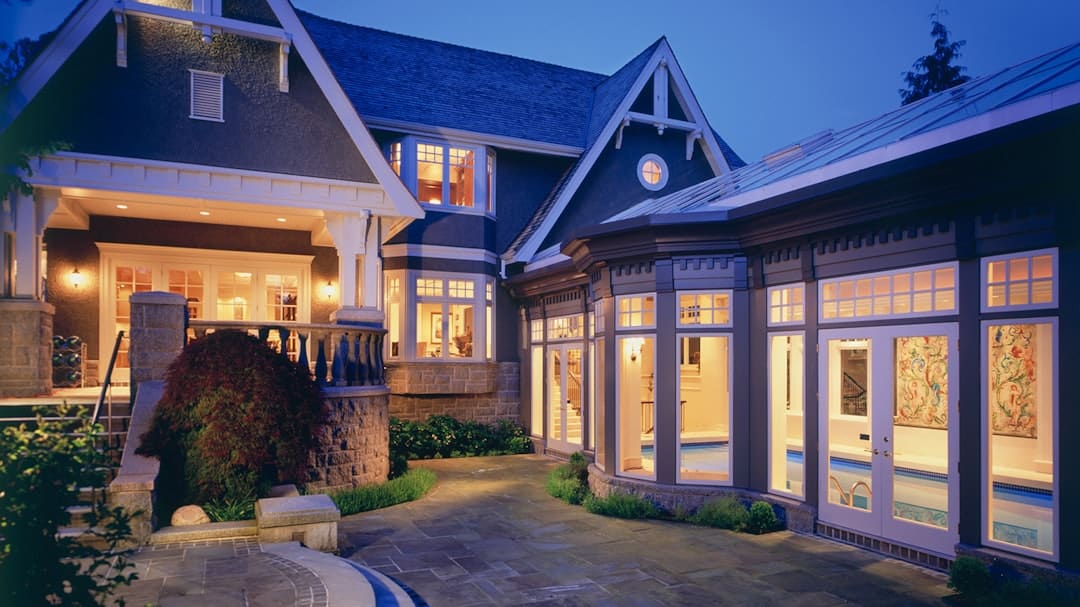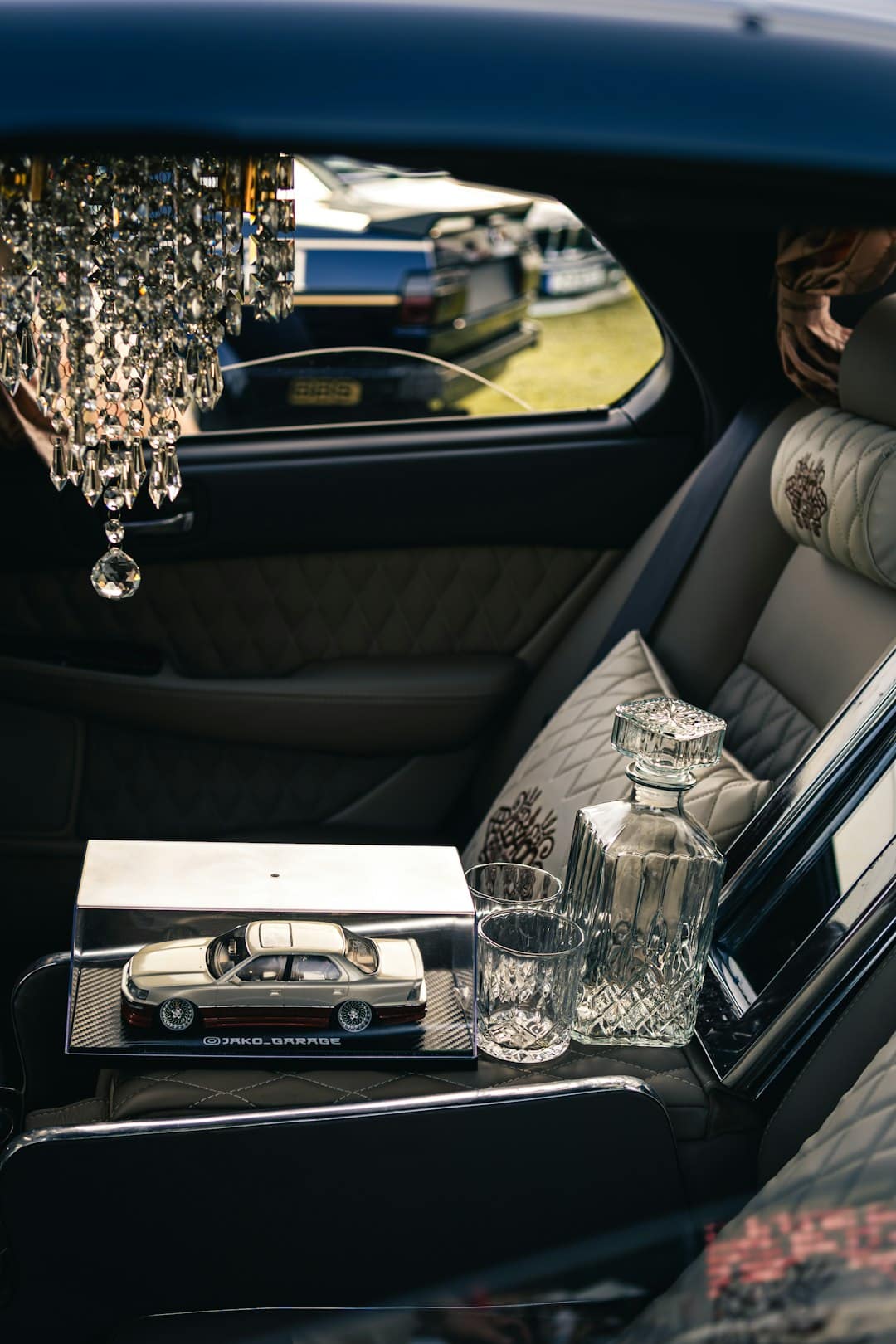









Your home is more than just a living space; it’s a deeply personal sanctuary, a canvas for self-expression, and a reflection of your unique journey. In an era dominated by fleeting trends, designing a home that truly resonates with your individuality offers enduring comfort and joy. This article delves into actionable home design tips, guiding you to create an environment that not only looks beautiful but genuinely feels like you.
I. Understanding Your Style DNA
Before embarking on any design project, the most crucial step is to understand your personal aesthetic. This foundation will ensure every decision contributes to a cohesive and authentic space.
A. Self-Reflection and Inspiration
Start by looking inward. What colors, textures, and environments make you feel comfortable, inspired, or at peace? Consider your passions, hobbies, and past experiences. Travel memories, beloved art pieces, or even a favorite outfit can offer clues. Create a digital or physical mood board with images, fabric swatches, and colors that appeal to you, regardless of current trends. This visual collection will reveal recurring themes and preferences.
B. Defining Your Aesthetic Keywords
Once you’ve gathered inspiration, try to distill your style into a few descriptive keywords. Are you drawn to “modern minimalist,” “bohemian chic,” “rustic farmhouse,” “eclectic vintage,” or “coastal calm”? Having a clear vocabulary for your style will make it easier to communicate your vision and select pieces that align. Don’t be afraid to blend styles, creating a “transitional” or “global eclectic” look that is uniquely yours.
II. Building Blocks of Personal Design
With a clearer understanding of your style, you can now apply it to the foundational elements of interior design.
A. The Power of Color and Palette
Color is perhaps the most impactful tool for personalizing a space. Beyond simply choosing your favorite hue, consider the emotional response different colors evoke. A well-chosen color palette should flow seamlessly throughout your home, providing a sense of harmony. Don’t limit yourself to wall colors; incorporate your palette through furniture, textiles, art, and accessories. Experiment with accent walls or bold furniture pieces to introduce personality without overwhelming the space.
B. Texture, Pattern, and Layers
Adding texture and pattern creates depth and visual interest, making a room feel rich and inviting. Think about how different materials feel to the touch – a plush velvet sofa, a rough-hewn wooden table, a soft knitted throw, or sleek metallic accents. Patterns, whether geometric, floral, or abstract, can add energy and a touch of the unexpected. Layering these elements, from rugs to curtains to throw pillows, builds a sophisticated and personalized aesthetic.
C. Lighting for Mood and Function
Lighting profoundly impacts the atmosphere of a room. Rather than relying on a single overhead fixture, incorporate a variety of light sources: ambient lighting for overall illumination, task lighting for specific activities (reading, cooking), and accent lighting to highlight artwork or architectural features. Choose fixtures that complement your style – a vintage chandelier, a modern floor lamp, or sculptural sconces can serve as decorative elements while enhancing the mood and functionality of the space.
III. Curating with Intention
The true essence of a personalized home lies in the curated items that tell your story.
A. Integrating Personal Collections and Art
Your collections, whether they’re vintage books, unique ceramics, or travel souvenirs, are powerful expressions of who you are. Instead of hiding them, find creative ways to display them. Arrange them thoughtfully on shelves, in display cabinets, or as part of a gallery wall. Art, whether it’s a prized painting, a framed photograph, or a child’s drawing, should resonate with you personally. It’s not about cost, but about connection.
B. Furniture that Speaks to You
Furniture selections should prioritize comfort, functionality, and aesthetic appeal that aligns with your style. Mix and match pieces from different eras or styles to create a collected, lived-in feel. An antique chest paired with a modern sofa can offer delightful contrast. Invest in key pieces that you love and that are built to last, rather than solely following trends. Consider custom furniture if you have specific needs or a unique vision.
C. The Role of Sentiment and Storytelling
Incorporate items with sentimental value – inherited pieces, gifts, or items from significant life events. These objects infuse your home with history and warmth, making it uniquely yours. Arrange them in vignettes that tell a story, perhaps grouping travel mementos with a photograph from that trip. This storytelling approach elevates your home from a decorated space to a cherished narrative.
IV. Functionality Meets Form
A personalized home is not just about aesthetics; it also perfectly serves your lifestyle and practical needs.
A. Designing for Your Lifestyle
Consider how you genuinely live in your home. Do you entertain frequently? Do you work from home? Do you need a dedicated space for hobbies? Design each room with its primary function in mind. A highly personalized space caters to your daily routines, providing comfort and efficiency, whether that means a cozy reading nook or a well-organized mudroom.
B. Sustainable and Mindful Choices
Personalization can also extend to your values. Opt for sustainable materials, reclaimed wood, or pieces from local artisans. Choosing high-quality, durable items reduces waste and contributes to a home that feels grounded and thoughtful. Support brands that align with your ethical considerations, building a home that reflects your conscious choices.
V. Bringing It All Together
Creating a personalized home is an ongoing journey of discovery and refinement.
A. Don’t Be Afraid to Experiment
Design is an iterative process. Don’t be afraid to move furniture, repaint a wall, or rearrange accessories. Sometimes, a “mistake” can lead to an unexpected and brilliant solution. Live with your choices for a while, observe how they feel, and make adjustments as needed. Your style will evolve, and your home can evolve with it.
B. When to Seek Professional Guidance
While self-expression is key, sometimes a professional interior designer can be invaluable. If you feel overwhelmed, struggle with spatial planning, or need help translating your abstract ideas into concrete design choices, a designer can provide expert guidance, access to resources, and a fresh perspective, ensuring your vision is executed beautifully and efficiently.
Conclusion
Personalizing your home is an enriching journey that transforms a house into a haven truly reflective of your unique identity. By understanding your style, making intentional design choices, and curating your space with items that tell your story, you create an environment that supports your lifestyle and nurtures your soul. Embrace the process, trust your instincts, and craft a home that is an authentic and enduring expression of you.