







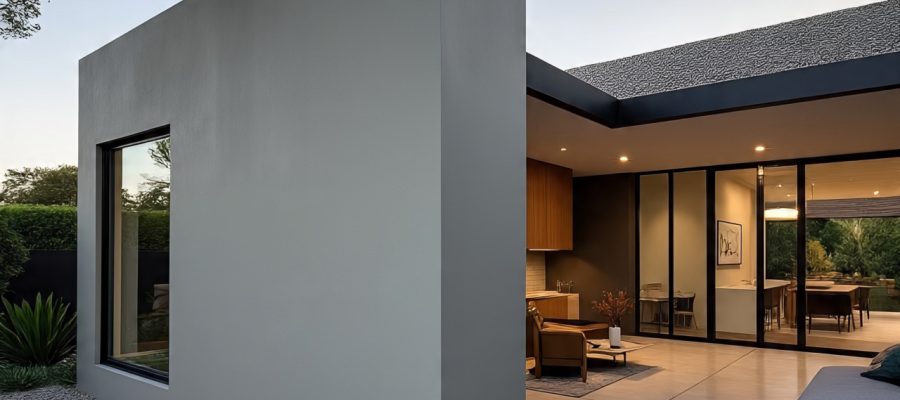
Introduction to Home Design
Home design is an essential aspect of creating a comfortable and inviting living environment. It encompasses various elements, including layout, furniture selection, color schemes, and décor. Understanding the principles of home design can significantly enhance both the aesthetics and functionality of your space. This article will discuss key aspects of home design, innovative decoration techniques, NEW HOME DESIGN IDEAS, and ways to maximize space while considering eco-friendly options.
The Importance of Home Decoration
A well-decorated home reflects personal style and enhances the overall quality of life. Home decoration not only adds beauty but also creates a functional space that meets the needs of its inhabitants. The right décor can evoke emotions, set moods, and facilitate relaxation or productivity. Furthermore, home decoration plays a crucial role in the resale value of a property, making it an investment worth considering.
Beyond aesthetics, home design can significantly affect how spaces are utilized. Understanding the flow of your living space and how to optimize it can lead to a harmonious environment where each area serves its purpose effectively. Whether you are designing a new home or revamping an existing one, prioritizing decoration can transform your living experience.
Understanding Your Space
Before diving into home design, it is vital to understand the specifics of your space. Each room has its unique characteristics, such as size, shape, lighting, and architectural features, that influence design choices. Analyzing these factors will help identify what elements can enhance the space and what challenges may need to be addressed.
Additionally, consider the lifestyle of the occupants. For families, a space may require durability and ease of maintenance, while a single professional may prioritize aesthetics and modern design. By understanding your space’s dynamics and the needs of its users, you can create a design that is both beautiful and practical.
Key Elements of Home Design
Choosing the Right Furniture
Furniture is a fundamental component of home design that serves both functional and aesthetic purposes. When selecting furniture, it is essential to consider the scale and proportion of each piece in relation to the room size. Oversized furniture can overwhelm a small room, while too-small pieces can make a large space feel empty. Aim for a balance that complements the overall design and feels inviting.
Moreover, functionality should guide furniture choices. Multi-purpose furniture, such as ottomans with storage or extendable dining tables, can significantly enhance utility in smaller spaces. Choosing quality materials and timeless designs can ensure that your furniture remains stylish and functional for years to come.
Incorporating Color Schemes
Color plays a crucial role in home design, influencing mood and perception. When deciding on a color scheme, consider the desired atmosphere for each room. Cool colors like blues and greens are calming, making them ideal for bedrooms, while warm colors like reds and yellows can energize spaces such as kitchens and living rooms.
Additionally, using a cohesive color palette throughout the home can create a sense of unity. This doesn’t mean all rooms need to be identical; instead, utilize complementary colors or shades of the same hue to maintain harmony. Accent walls, throw pillows, and artwork can provide pops of color without overwhelming the overall scheme.
Lighting and Its Impact on Space
Lighting is a critical aspect of home design that goes beyond mere illumination. It can dramatically alter the appearance of a space, highlight architectural features, and create ambiance. A well-thought-out lighting plan should include multiple sources of light, such as ambient, task, and accent lighting, to ensure versatility and functionality.
Natural light should also be maximized wherever possible. Consider window treatments that allow light to filter through while providing privacy. Additionally, strategically placed mirrors can enhance the perception of light and space in a room, making it feel larger and more open.
Innovative Decoration Techniques
Mixing Modern and Traditional Styles
Combining modern and traditional design elements can create a unique and personalized space. This eclectic approach allows for creativity and expression, showcasing individual tastes. For instance, a sleek modern sofa can be beautifully complemented by a vintage coffee table, creating visual interest and depth.
This technique can also apply to color schemes, textures, and materials. Consider pairing contemporary art pieces with classic furniture or using traditional fabrics in modern upholstery. The key is to find a balance that feels cohesive while celebrating the best of both styles.
Utilizing Textures in Home Design
Texture adds depth and dimension to home design, enhancing visual appeal and creating a tactile experience. Incorporating various materials such as wood, metal, fabric, and glass can create an engaging environment. For example, a soft velvet sofa against a rough stone wall can evoke a sense of harmony and contrast simultaneously.
Additionally, layering textures can create a more inviting atmosphere. Use throw blankets, cushions, and area rugs to add softness and warmth to hard surfaces. Incorporating plants can also introduce natural textures, promoting a fresh and lively environment. By thoughtfully blending textures, you can create a dynamic and rich space.
Maximizing Space in Home Design
Open Concept Living
The open concept design has gained popularity in modern home design, offering a seamless flow between spaces. This layout enhances connectivity and can make smaller spaces feel larger by eliminating barriers between distinct areas. For instance, combining the kitchen, dining, and living areas can create an inviting environment for family gatherings and entertaining guests.
However, achieving an open concept doesn’t mean sacrificing style. Defining spaces through furniture arrangement, area rugs, and lighting can maintain individuality while promoting an airy feel. Incorporating architectural features, such as beams or columns, can also enhance visual interest and structure without closing off areas.
Smart Storage Solutions
Effective storage solutions are essential in maximizing space, especially in smaller homes or apartments. Innovative designs that incorporate hidden storage can help keep clutter at bay without sacrificing style. Consider furniture with built-in storage, such as beds with drawers or coffee tables with shelving, to optimize functionality.
Additionally, vertical space can be utilized for storage with wall-mounted shelves and cabinets. This not only frees up floor space but also draws the eye upward, enhancing the perception of height in a room. Creative storage solutions help maintain an organized aesthetic while ensuring that all necessities are easily accessible.
Eco-Friendly Home Design Ideas
Incorporating Sustainable Materials
As environmental consciousness grows, integrating sustainable materials into home design has become increasingly important. Opting for eco-friendly products, such as bamboo flooring, recycled glass countertops, or non-toxic paints, can significantly reduce the environmental footprint of a home while promoting healthier living conditions.
When selecting materials, consider their longevity and durability. Investing in high-quality, sustainable options may reduce the need for replacements over time, further benefiting both the environment and your budget. Additionally, showcasing sustainable materials can add a unique touch to your design, appealing to eco-conscious guests and potential buyers.
Energy-Efficient Home Features
Incorporating energy-efficient features into home design can lead to long-term savings and environmental benefits. Start with energy-efficient appliances, which consume less electricity while maintaining performance. Installing LED lighting throughout the home can also reduce energy consumption and lower utility bills.
Additionally, consider integrating smart home technology to optimize energy usage. Smart thermostats, for instance, allow for better temperature control and can learn user habits to reduce energy waste. Proper insulation and energy-efficient windows can significantly enhance comfort levels while further decreasing energy costs.
Conclusion
Final Thoughts on Home Decoration
Home design is a multifaceted endeavor that requires a thoughtful approach to achieve a harmonious balance between style and functionality. By understanding key elements such as furniture selection, color schemes, and lighting, you can create a space that reflects personal taste while serving practical needs. Innovative decoration techniques, such as mixing styles and utilizing textures, can further elevate your design.
Maximizing space through open concepts and smart storage solutions, along with incorporating eco-friendly materials and features, can create a sustainable and inviting environment. Ultimately, the goal of home design is to create a space that feels uniquely yours while enhancing your quality of life. Embrace the journey of home decoration, and let your creativity shine.
FAQs
What are some essential tips for first-time home decorators?
Start by defining your style and identifying key elements such as color schemes and furniture pieces. Create a mood board to visualize your ideas and plan your layout before making any purchases. Don’t forget to consider functionality and the needs of your family in the design process.
How can I make a small space feel larger?
Utilize light colors on walls and furniture, incorporate mirrors to reflect light, and opt for furniture with legs to create a sense of openness. Open concept designs and smart storage solutions can also help maximize space and minimize clutter.
What are some eco-friendly materials used in home design?
Some popular eco-friendly materials include bamboo flooring, reclaimed wood, recycled glass, and natural stone. Non-toxic paints and finishes are also great options to reduce indoor air pollution and promote a healthier living environment.
How can lighting impact my home design?
Lighting can influence mood, highlight architectural features, and create ambiance in a space. A well-designed lighting plan should include a combination of ambient, task, and accent lighting to ensure versatility and enhance the overall design.
What styles can be mixed in home design?
You can mix a variety of styles, such as modern and traditional, industrial and farmhouse, or bohemian and minimalist. The key is to find a cohesive balance that feels comfortable and expresses your unique personality.