







Tiny House Modern Design
The tiny house movement has gained tremendous popularity in recent years, and modern design concepts are at the forefront of this trend. Tiny houses, typically under 400 square feet, offer an efficient, sustainable, and stylish approach to living. Modern tiny house designs prioritize space optimization, clean lines, and multifunctional features to create comfortable and aesthetically pleasing living spaces. With careful planning, innovative storage solutions, and contemporary finishes, a tiny house can feel spacious, functional, and luxurious despite its compact footprint.
The Appeal of Modern Tiny Houses
Modern tiny houses appeal to those seeking minimalist lifestyles, lower costs, and reduced environmental impact. These homes emphasize simplicity, efficiency, and sustainability without sacrificing style or comfort. Modern design features open floor plans, large windows for natural light, and multifunctional furniture. Tiny house living encourages intentional living by focusing on essentials and eliminating excess. The combination of modern aesthetics with practical design makes tiny houses both trendy and livable.
Space Optimization Strategies
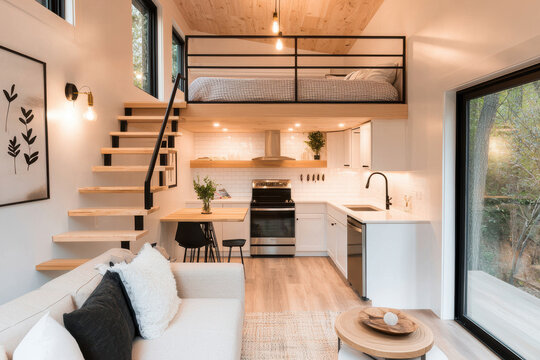
Space optimization is the core principle of tiny house modern design. Vertical storage, lofted sleeping areas, built-in cabinets, and foldable furniture maximize every square foot. Multipurpose rooms or furniture, such as sofa beds, extendable tables, and hidden storage compartments, allow for versatile use of limited space. Open layouts, minimal partitioning, and integrated shelving create a sense of spaciousness. Clever storage solutions ensure that tiny houses remain functional, organized, and clutter-free.
Tiny House Modern Design
Open Floor Plans
Open floor plans are a hallmark of modern tiny house design. Combining living, dining, and kitchen areas into one flowing space enhances functionality and visual openness. Removing unnecessary walls allows for better movement, light distribution, and social interaction. Open plans make tiny houses feel larger than they are and promote flexibility in furniture placement and interior decor. Strategic zoning using rugs, lighting, or furniture defines spaces without closing them off.
Incorporating Natural Light
Large windows, skylights, and glass doors are essential in modern tiny houses to maximize natural light. Natural light brightens interiors, enhances mood, and creates a sense of spaciousness. Light-colored walls, reflective surfaces, and mirrors amplify the effect of daylight. In tiny homes, daylighting not only improves aesthetics but also reduces energy consumption by minimizing the need for artificial lighting during the day.
Minimalist Interior Design
Minimalism is a key aspect of modern tiny house design. Clean lines, neutral color palettes, and uncluttered surfaces promote calmness and sophistication. Minimalist interiors focus on functionality, with every item serving a purpose. Decorative elements are carefully curated to enhance the design without overwhelming the limited space. Minimalism reduces visual clutter, making the tiny home feel more open, organized, and comfortable.
Modern Furniture and Fixtures
Modern furniture and fixtures in tiny houses are designed to be functional, stylish, and space-saving. Modular furniture, foldable tables, and multifunctional pieces allow for versatile living. Sleek, built-in cabinetry maximizes storage while maintaining clean lines. Compact appliances, sliding doors, and wall-mounted fixtures reduce spatial constraints. Modern finishes, such as matte metals, glass, and wood accents, add sophistication and elegance to small living spaces.
Smart Storage Solutions
Effective storage is critical in tiny homes. Custom cabinetry, under-bed storage, loft areas, and hidden compartments optimize space. Vertical storage solutions, such as tall bookshelves and wall-mounted racks, utilize otherwise wasted space. Storage furniture like benches, ottomans, and multifunctional tables doubles as seating or work areas. Organized storage ensures a tidy, functional, and visually appealing interior, enhancing the overall livability of the tiny house.
Sustainable and Eco-Friendly Features
Sustainability is a central component of modern tiny house design. Solar panels, energy-efficient appliances, and rainwater harvesting systems reduce environmental impact. Insulation, energy-efficient windows, and LED lighting minimize energy use. Materials such as reclaimed wood, bamboo, and recycled metals contribute to eco-friendly construction. Sustainable design not only benefits the environment but also reduces utility costs and supports a self-sufficient lifestyle.
Outdoor Living Spaces
Outdoor areas extend the usable living space of tiny houses. Decks, patios, and rooftop terraces provide space for relaxation, dining, and entertaining. Outdoor living areas enhance the sense of openness and connection with nature. Folding furniture, modular seating, and retractable awnings make outdoor spaces functional and versatile. Incorporating greenery, such as potted plants or vertical gardens, further enhances the appeal and livability of tiny homes.
Lofted Sleeping Areas
Lofts are common in modern tiny houses to maximize vertical space. Sleeping areas above living or kitchen spaces free up floor space for other functions. Loft designs often include built-in storage, safety railings, and accessible ladders or stairs. Skylights or small windows in loft areas provide light and ventilation, creating a cozy and inviting atmosphere. Lofts offer privacy while maintaining the open feel of a tiny house.
Functional Kitchens and Bathrooms
Kitchens and bathrooms in tiny homes must be compact yet fully functional. Modern tiny house kitchens often feature compact appliances, foldable countertops, and pull-out cabinets. Bathrooms utilize space-saving fixtures such as corner sinks, composting toilets, and wet room designs. Sliding doors and multipurpose storage solutions enhance functionality. Well-designed kitchens and bathrooms ensure comfort without compromising the limited space available.
Color Palettes and Materials
Light and neutral color palettes enhance the sense of space in tiny homes. Whites, beiges, and pastels make interiors feel larger and brighter. Accents in wood, metal, or bold colors add character without overwhelming the space. Reflective surfaces like glass, mirrors, or polished metals amplify natural light. Modern materials are selected for durability, sustainability, and visual appeal, contributing to both aesthetics and functionality.
Multi-Functional Living Areas
In modern tiny houses, spaces often serve multiple functions. Living rooms can double as offices, dining areas, or guest sleeping spaces. Foldable or movable furniture supports flexible layouts. Multi-functional spaces improve efficiency and usability, allowing tiny homes to accommodate various activities and lifestyle needs. Thoughtful planning ensures each area is adaptable without compromising comfort or style.
Modern Lighting Solutions
Lighting design in tiny houses enhances ambiance, functionality, and style. Layered lighting, including recessed lights, pendant fixtures, and task lighting, creates a well-lit and inviting environment. Adjustable lighting allows for different moods and activities. Natural light combined with modern fixtures reduces reliance on electricity while highlighting key design elements. Proper lighting contributes to the sense of spaciousness and comfort in small homes.
Smart Home Integration
Modern tiny houses increasingly incorporate smart technology for convenience and efficiency. Smart thermostats, lighting controls, and security systems optimize energy use and provide remote access. Voice-controlled devices and automated appliances streamline daily tasks. Smart home integration enhances comfort, reduces energy consumption, and supports a modern, high-tech lifestyle within a compact living environment.
Personalization and Style
Despite their small size, tiny homes can be personalized to reflect individual taste and lifestyle. Decorative elements, artwork, textiles, and color accents add character. Custom furniture, lighting, and storage solutions provide unique touches. Personalization ensures that tiny homes feel like true homes rather than mere functional spaces. Modern design allows for both elegance and individuality in compact living.
Compact and Mobile Tiny Homes
Many modern tiny houses are designed to be mobile or transportable. Trailer-based tiny homes allow for flexibility in location while maintaining stylish, functional interiors. Mobile designs prioritize weight distribution, compact appliances, and modular furniture. Despite mobility constraints, modern designs maintain comfort, aesthetics, and efficiency, enabling homeowners to enjoy tiny house living anywhere.
Landscaping and Outdoor Integration
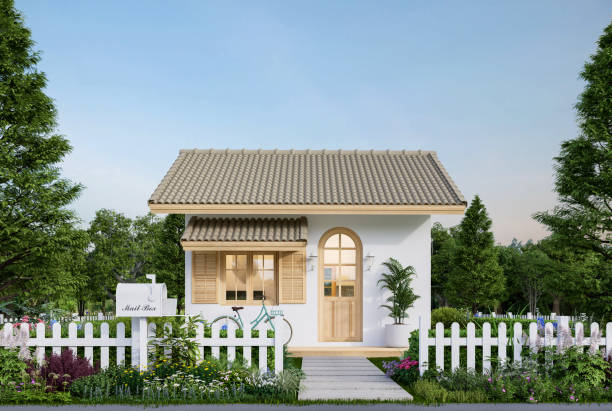
Landscaping complements modern tiny house design by extending living space outdoors. Vertical gardens, potted plants, and green walls create a natural connection with the environment. Outdoor lighting, seating, and pathways enhance usability and aesthetic appeal. Integrating nature and outdoor spaces creates a balanced, harmonious living experience, making tiny homes feel larger and more inviting.
Conclusion
Modern tiny house design combines functionality, aesthetics, sustainability, and comfort within a compact footprint. Through smart space optimization, open layouts, natural light, multi-functional furniture, and sustainable materials, tiny homes provide stylish and livable environments. Whether stationary or mobile, tiny houses reflect a minimalist, eco-conscious lifestyle that emphasizes quality over quantity. Modern design ensures that tiny living does not compromise comfort, convenience, or style, making tiny houses a viable, innovative, and highly desirable option for 2025 homeowners.