







How to Design a Smart Home
Designing a smart home is no longer a futuristic concept; it is becoming a practical reality for homeowners seeking convenience, efficiency, and enhanced security. A smart home integrates technology into everyday living, allowing homeowners to control lighting, temperature,++ security systems, and appliances remotely. Proper planning is essential to create a smart home that is functional, energy-efficient, and adaptable to evolving technology. From choosing devices to integrating automation, a well-designed smart home combines comfort, style, and innovation.
Understanding Smart Home Basics
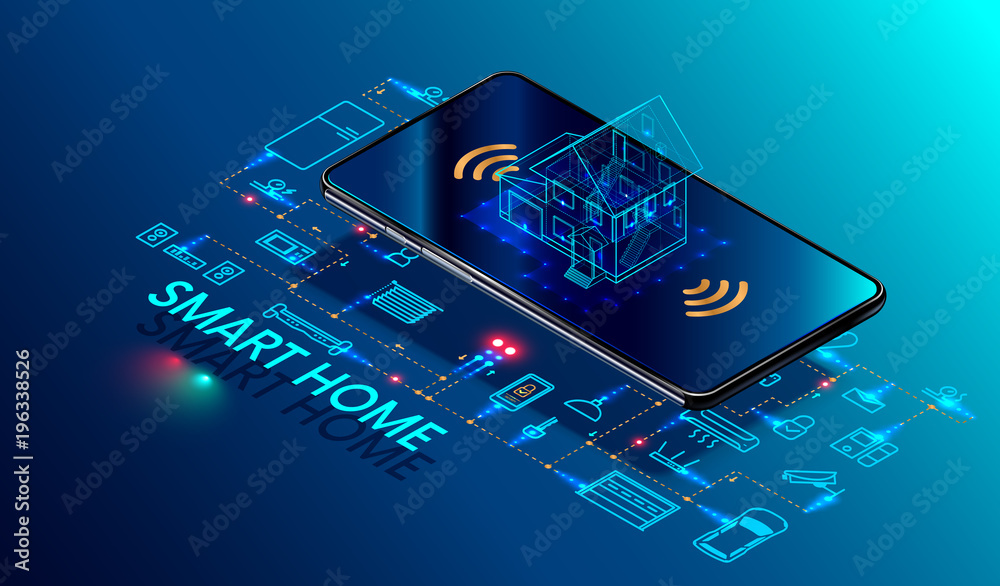
Before designing, it is crucial to understand the key component+++++++s and functionalities. Smart homes typically include automated lighting, climate control, security systems, entertainment, and home appliances connected through Wi-Fi or dedicated smart hubs. These devices can be controlled via smartphones, tablets, or voice assistants. Understanding the basic framework of smart home technology helps homeowners make informed decisions about devices, compatibility, and system integration.
Planning Your Smart Home Design
The first step in designing a smart home is thorough planning. Identify your lifestyle needs, priorities, and budget. Determine which areas of your home will benefit most from automation, such as lighting, heating, security, or entertainment. Consider future scalability to allow for the addition of new devices. Creating a blueprint of your home and planning device placement ensures optimal functionality and coverage while maintaining aesthetic appeal. Proper planning reduces the risk of installation issues and ensures a seamless integration of technology.
Choosing the Right Smart Home Hub
A central smart home hub acts as the brain of your system, connecting all devices and enabling coordinated control. Popular hubs include Amazon Echo, Google Nest Hub, and Apple HomeKit. Choose a hub compatible with multiple devices and brands to maximize flexibility. The hub should support automation rules, voice control, and remote access. Investing in a reliable and compatible hub is crucial for the long-term functionality of your smart home, ensuring smooth operation and scalability.
Smart Lighting Systems
Lighting is one of the most noticeable aspects of a smart home. Smart lighting systems allow homeowners to control brightness, color, and schedules remotely. Automated lighting enhances convenience, energy efficiency, and ambiance. Motion sensors, timers, and adaptive lighting can be used to optimize energy usage. Smart bulbs and integrated lighting panels can be synchronized with other devices, such as security systems or entertainment setups, creating a cohesive and responsive environment.
a Smart HomeSmart Climate Control
Smart thermostats and climate control systems provide comfort and energy efficiency. Devices like Nest, Ecobee, or Honeywell smart thermostats learn user preferences and adjust temperature automatically. Zoned heating and cooling allow different areas of the home to maintain personalized temperatures. Integration with voice assistants enables hands-free adjustments, while remote access ensures comfort before arriving home. Smart climate control reduces energy consumption and utility costs while enhancing overall comfort.
Smart Security Systems
Security is a critical component of smart homes. Smart cameras, door locks, motion sensors, and alarms provide real-time monitoring and alerts. Homeowners can remotely check security feeds, lock or unlock doors, and receive notifications of suspicious activity. Integration with lighting and climate systems enhances safety by simulating occupancy when away. Smart security systems not only improve protection but also offer peace of mind through remote monitoring and automated alerts.
Smart Entertainment Systems
Smart homes often include integrated entertainment systems for convenience and flexibility. Smart TVs, speakers, streaming devices, and multi-room audio systems allow homeowners to control media seamlessly. Voice control, remote apps, and automated routines enhance the user experience. Smart entertainment setups can be linked to other devices, such as lighting and climate systems, to create immersive environments tailored to specific activities or moods.
Voice Control and Automation
Voice assistants like Amazon Alexa, Google Assistant, and Apple Siri are central to modern smart homes. They enable hands-free control of lighting, climate, security, and entertainment devices. Automation routines can be created, such as “Good Morning” commands that adjust lights, temperature, and play music simultaneously. Automation enhances convenience, efficiency, and accessibility, making everyday tasks effortless and enjoyable.
Smart Kitchen Appliances
Smart kitchens are becoming increasingly popular, with appliances designed for efficiency and connectivity. Refrigerators, ovens, coffee makers, and dishwashers can be controlled remotely, monitor usage, and provide alerts. Smart appliances optimize energy use, streamline meal preparation, and offer advanced features such as recipe guidance or inventory tracking. Integrating kitchen appliances into the smart home ecosystem enhances convenience and modernizes everyday culinary tasks.
Home Networking and Connectivity
A reliable home network is essential for a functional smart home. Wi-Fi coverage should extend to all areas of the house, with mesh networks or range extenders used as needed. Wired connections may be required for bandwidth-intensive devices, such as security cameras or entertainment systems. Ensuring strong, secure, and stable connectivity is critical for seamless operation of all smart devices and prevents disruptions or lag in automated systems.
Smart Home Energy Management
Energy management is a key benefit of smart home technology. Smart plugs, energy monitors, and connected appliances allow homeowners to track consumption and optimize usage. Automated systems can reduce energy waste by turning off unused devices, adjusting lighting, or regulating climate based on occupancy. Energy-efficient smart homes save on utility bills, reduce environmental impact, and promote sustainable living practices.
Integrating Smart Furniture and Fixtures
Smart home design extends beyond devices to include furniture and fixtures. Smart beds, adjustable desks, and automated window blinds contribute to convenience and comfort. Integrated lighting fixtures, sensors, and wireless charging surfaces streamline daily routines. Combining smart furniture with automated systems creates a cohesive environment that enhances both functionality and aesthetics.
Security and Privacy Considerations
While smart homes offer convenience, security and privacy are essential. Strong passwords, regular software updates, and secure network protocols protect against hacking. Data privacy should be considered when selecting devices, ensuring compliance with privacy standards and protection of personal information. A well-designed smart home balances convenience with robust security measures to safeguard homeowners and their data.
Outdoor Smart Home Integration
Smart technology is not limited to interiors. Outdoor areas can include automated lighting, irrigation systems, security cameras, and smart locks for gates and garages. Motion-activated lights, weather-responsive irrigation, and remote-controlled outdoor devices enhance safety, efficiency, and usability. Outdoor smart integration extends the benefits of automation to gardens, patios, and driveways, creating a fully connected living environment.
Customization and Personalization
Every smart home should be tailored to the homeowner’s lifestyle. Custom automation routines, device placement, and system configurations ensure optimal convenience and functionality. Personal preferences, daily routines, and family needs should guide design decisions. Customization allows homeowners to create a smart home that reflects their lifestyle while maximizing the advantages of automation and connectivity.
Maintenance and Upgrades
Smart home technology evolves rapidly, and maintenance is essential for long-term functionality. Regular software updates, hardware maintenance, and device replacements keep systems running smoothly. Choosing devices from reputable brands and ensuring compatibility with existing systems reduces future complications. A smart home designed with maintenance and upgrade paths in mind will remain functional, efficient, and modern for years to come.
Budgeting for a Smart Home
Cost is an important consideration when designing a smart home. Prioritize essential systems, such as security, lighting, and climate control, before investing in optional devices. Consider long-term savings from energy efficiency and automation when planning your budget. Phased implementation allows homeowners to gradually upgrade their homes, spreading costs while integrating smart technology effectively. Proper budgeting ensures a functional, stylish, and efficient smart home without overspending.
Smart Home Design for Accessibility
Smart home technology can enhance accessibility for individuals with mobility or sensory challenges. Voice control, automated doors, adjustable lighting, and remote monitoring provide convenience and independence. Smart homes can be tailored to meet specific accessibility needs, ensuring that all residents benefit from technology. Designing for accessibility not only improves quality of life but also future-proofs the home for long-term usability.
Future-Proofing Your Smart Home
Technology evolves quickly, so designing a smart home with future needs in mind is essential. Opt for devices and systems that support upgrades, are compatible with emerging standards, and offer flexible integration options. Wireless protocols, cloud services, and modular devices enhance adaptability. Future-proofing ensures that the smart home remains functional, efficient, and technologically relevant over time.
Enhancing Comfort and Lifestyle
Ultimately, a smart home is designed to improve daily living. Automation reduces repetitive tasks, improves energy efficiency, and enhances convenience. Smart homes provide entertainment, security, and comfort tailored to individual lifestyles. Thoughtful design creates a harmonious environment where technology works seamlessly to support the needs and preferences of homeowners.
Conclusion
Designing a smart home requires careful planning, technology integration, and attention to lifestyle needs. From smart lighting and climate control to security systems, entertainment, and outdoor automation, a well-designed smart home enhances comfort, convenience, and energy efficiency. Thoughtful layout, reliable connectivity, and future-proofing ensure long-term functionality. A smart home is not just about technology; it is about creating a seamless, personalized, and efficient living environment that elevates everyday life. With proper planning and execution, homeowners can enjoy a modern, connected, and intelligent home tailored to their needs.