







Open-concept living has turn out to be one of the most sought-after layout tendencies in current homes. The idea of mixing the kitchen, dining, and living areas into one non-stop glide gives a experience of openness, mild, and connection. It eliminates boundaries—actually and visually—permitting own family participants and guests to have interaction freely, even as maximizing herbal light and spatial flexibility. but, designing an open-concept residing space requires thoughtful planning to make sure it remains useful, comfortable, and visually cohesive. without careful balance, openness can fast change into muddle or chaos.
The splendor of an open-idea format lies in its versatility. It adapts to modern life, in which cooking, dining, running, and entertaining frequently take place concurrently. It creates a social surroundings even as retaining character zones for specific activities. but, the challenge is to define those zones with out bodily partitions. thru clever furniture placement, lighting, textures, and colour coordination, you may create an open space that feels unified but now not monotonous, spacious yet intimate.
Defining Zones without walls
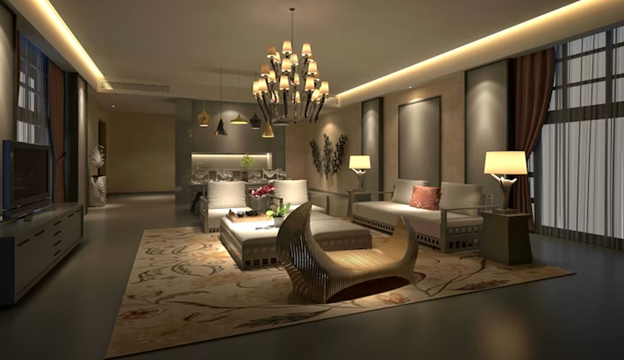
The achievement of an open-concept design depends on how properly you define awesome zones while preserving go with the flow. In a space wherein partitions are absent, visible cues take their place. The association of fixtures turns into your number one device for developing obstacles. as an instance, a settee can act as a divider between the dwelling and dining areas. placing a rug beneath the seating region anchors that segment of the room, subtly signaling its reason.
area rugs, ceiling remedies, or distinct floors materials can all help delineate areas. A exchange in texture—from hardwood within the dwelling place to tile inside the kitchen—creates a herbal separation without interrupting the flow. you could also use lighting to define zones. Pendant lighting fixtures above the eating desk, recessed lights in the kitchen, and a assertion ground lamp close to the sofa each mark exclusive capabilities even as keeping a cohesive rhythm.
fixtures scale and orientation are equally important. outsized furniture can crush an open layout, making it sense cluttered. as an alternative, pick pieces that balance share with comfort. Floating furnishings—like a centrally located sectional or a spherical dining desk—encourages stream and maintains the room visually open. keep away from pushing all fixtures in opposition to the walls; bringing items closer together creates intimacy and better defines regions.
shade also can act as a subtle divider. the usage of variations of a consistent palette facilitates differentiate zones whilst keeping visible concord. for instance, a soft grey might dominate the residing room, while lighter tones increase into the kitchen. including accessory colours via add-ons or art work gives each phase its personal personality without breaking continuity.
vegetation, monitors, or open shelving units can function partial dividers that hold transparency while imparting shape. They now not best upload warmth and texture but additionally offer functionality by way of imparting show or storage space. The key’s to keep sightlines across the room to hold the experience of openness that defines this style.
developing visible brotherly love and go with the flow
even as defining separate areas is crucial, ensuring that they go with the flow together harmoniously is similarly important. visual concord is what prevents an open-idea area from feeling disjointed. every element—furniture, coloration, lights, and materials—need to relate to each other via consistency in tone, style, or proportion.
start with a unified coloration palette. Neutrals work beautifully in open areas due to the fact they replicate mild and make transitions seamless. shades of white, beige, taupe, or grey can serve as the inspiration. Then, layer in accents that tie each location together—possibly a steady use of herbal timber tones, metal finishes, or textile patterns. This continuity allows the attention move naturally from one quarter to the next with out abrupt adjustments.
Repetition is a powerful layout method for preserving unity. Repeat sure substances or shades throughout zones to create a rhythm. for instance, in case your kitchen has brass hardware, echo that metal tone within the living room with lamp bases or photo frames. if you use natural very wellfloors, choose furnishings with comparable wood finishes for coherence.
lighting plays a massive function in creating go with the flow. Open spaces advantage from layers of light—ambient, challenge, and accent lights operating together. Recessed lights gives even illumination, pendant lights outline specific zones, and desk lamps upload intimacy. Dimmer switches can assist control brightness and mood depending at the time of day or pastime.
Textures bring warmth and stability. An open-idea space can feel too sterile if the whole thing is smooth and easy. Incorporating herbal elements—woven fabrics, wooden, stone, or tender textiles—provides depth and comfort. Textural assessment is key: pair polished surfaces like marble counter tops with tactile substances including linen curtains or jute rugs.
brotherly love additionally is based on maintaining share. large, open areas can from time to time make furniture seem misplaced. To counteract this, select portions with considerable presence or group smaller items strategically to shape balanced compositions. retaining scale guarantees that each region feels described and cozy instead of cavernous or crowded.
Balancing functionality and luxury
A well-designed open-idea domestic must be as purposeful as it’s far lovely. The openness ought to enhance day by day lifestyles, no longer complicate it. every area must serve its cause efficiently at the same time as contributing to the general design.
The kitchen frequently will become the heart of an open-concept format, serving as each a functional workspace and a social hub. An island or peninsula can provide a herbal boundary, providing garage and seating even as preserving connection to the relaxation of the gap. while making plans the kitchen layout, keep in mind the “work triangle”—the green drift between the sink, range, and fridge. accurate layout guarantees that cooking stays smooth even if circle of relatives or visitors are close by.
storage solutions are important in keeping order. Open areas tend to reveal clutter, which could disrupt the visible calm. built-in shelves, hidden garage benches, and multipurpose fixtures help maintain matters organized. for example, a espresso desk with concealed compartments or an ottoman that doubles as garage ensures both function and neatness.
Acoustics are every other factor frequently omitted in open-concept spaces. with out walls to take in sound, noise can journey easily. smooth furnishings like rugs, curtains, and upholstered furnishings assist limit echo and create a quieter, greater secure environment. adding decorative acoustic panels or strategically putting bookshelves also can help manipulate sound.
consolation comes from flow and accessibility. ensure that pathways between zones are extensive sufficient to transport easily. avoid overcrowding areas with too many pieces of furniture. instead, awareness on capability—every object must serve a clear reason, whether or not it’s seating, garage, or decoration.
Temperature manipulate also can be a challenge. massive, open regions can also enjoy choppy heating or cooling. the usage of ceiling enthusiasts, layered window remedies, and strategically placed vents facilitates regulate consolation levels. smart thermostats can further optimize electricity performance and hold consistency across zones.
A a hit open-concept home feels effortless—a area in which everything has an area, and motion is intuitive. whilst function aligns with aesthetics, the result is a residing environment that helps rest, productiveness, and togetherness.
Designing for life-style, personality, and longevity
each open-concept area have to mirror the life-style of its population. The design should adapt to how you stay, no longer the opposite way around. whether or not you’re a circle of relatives that loves hosting gatherings, a couple who enjoys quiet evenings, or someone who works from domestic, the format should accommodate your daily needs seamlessly.
Personalization adds soul to an open-idea domestic. even as the general fashion must stay cohesive, each zone can have subtle distinctions that reflect persona. The residing place may feature comfortable textiles and artwork that explicit warmth, while the kitchen emphasizes smooth finishes and functionality. Small variations in tone or material assist save you monotony while retaining harmony.
art work and decorative accents play a key position in expressing individuality. large pieces can serve as focal points, drawing the attention and developing visual anchors. Grouping artwork throughout a shared wall can join one of a kind areas visually. plant life are another powerful unifier—they convey lifestyles, color, and texture, softening transitions between spaces.
Flexibility ensures that your open-concept design remains relevant for years yet to come. choose furnishings that could adapt to specific arrangements or uses. Modular seating, extendable dining tables, and movable partitions permit for evolution as your way of life changes. A area that evolves with you’ll constantly feel present day and functional.
lights also can be tailored for exceptional moods and activities. daylight hours might name for vivid, energizing illumination, whilst evenings benefit from heat, dimmed light that encourages rest. clever lighting structures can automate those shifts resultseasily, improving each mood and performance.
Sustainability provides another layer of lengthy-term price. opting for herbal substances, power-green appliances, and eco-friendly finishes no longer only blessings the environment however also enhances indoor consolation and well-being. Open-idea areas frequently gain from ample natural light, reducing the want for synthetic lighting fixtures for the duration of the day and improving power efficiency.
ultimately, a nicely-designed open-idea dwelling space is going beyond aesthetics. It’s about growing an surroundings that fosters connection—among human beings, sports, and the house itself. It displays a way of life of openness, adaptability, and simplicity.
when each quarter flows effortlessly into the next, when natural light actions freely across the room, and while every element serves both splendor and motive, your property will become more than a place to stay—it will become a space to thrive. An open-idea layout finished right feels undying, non-public, and alive, embodying the correct stability among modern-day freedom and useful comfort.