








Design Bathroom Online: Create Your Dream Space Easily
Designing a bathroom online has become more accessible with user-friendly tools and platforms. These digital solutions allow homeowners to visualize and create their ideal bathroom from the comfort of their own homes. Online bathroom design tools offer various features, including drag-and-drop functionality and customizable layouts. This technology simplifies the planning process and helps in selecting products and materials effectively.
Understanding Online Bathroom Design Tools
Exploring online bathroom design tools allows homeowners to visualize their ideas and streamline the design process. These innovative platforms offer various features that facilitate creating a customized bathroom layout.
Features of Top Bathroom Planner Online
The best online bathroom planners come equipped with numerous features that enhance the design experience. Common characteristics include:
- User-Friendly Interface: Most planners are designed for easy navigation, allowing users to quickly grasp functionalities and start designing.
- 2D and 3D Visualization: Users can view their designs in both two-dimensional and three-dimensional formats, making it easier to appreciate proportions and aesthetics.
- Extensive Product Library: High-quality planners often feature a rich library of bathroom fixtures, tiles, and accessories, which can be easily integrated into the design.
- Export Options: Once a design is finalized, many tools offer the ability to export layouts for contractors or for personal reference.
How to Use Drag and Drop Functionality
Drag and drop functionality simplifies the design process significantly. This feature allows users to select fixtures and furniture and place them within the layout effortlessly. The process generally involves:
- Selecting Elements: Users can easily browse products and select items they wish to include in their design.
- Placing Items: Once selected, users can click, drag, and drop these elements onto their floor plan, adjusting placement as needed.
- Resizing and Rotating: Most planners allow for easy resizing and rotating of elements to ensure proper fitting and alignment.
Benefits of Virtual Bathroom Planning
Utilizing virtual planning tools offers numerous advantages for homeowners aiming to redesign their bathrooms. Some key benefits consist of:
- Cost-Effective: By visualizing designs and making adjustments online, users can avoid costly mistakes during renovations.
- Time-Saving: Planning online enables quick adjustments and explorations of various styles without the need to visit multiple showrooms.
- Flexibility: Users can experiment with different layouts and styles at any time, making the design process more enjoyable and personal.
Planning Your Bathroom Layout Online
Efficiently organizing the layout of a bathroom is essential for both functionality and aesthetics. Online tools offer an innovative approach to map out a bathroom design, allowing for an effective arrangement of fixtures and maximizing available space.
Measuring Your Space and Creating a Floor Plan
To start, accurate measurements of the available space are crucial. This includes assessing the length and width of the room, and accounting for elements such as:
- Doors and their swing paths.
- Windows and the amount of natural light they provide.
- Existing plumbing and electrical outlets.
A clear floor plan can be made by inputting these dimensions into an online planner, helping to visualize how the final layout will appear.
Arranging Basins, Toilets, Showers, and Baths
Determining the placement of essential fixtures is a vital part of bathroom layout planning. Considerations include:
- Comfort and accessibility of the toilet, ensuring privacy and convenience.
- Placement of the basin near the entrance for ease of access.
- Positioning showers and baths to maximize space while maintaining functionality.
Arrangement should promote efficient use of the space and ease of movement between fixtures.
Incorporating Windows and Doors into Your Design
Windows and doors play a significant role in both aesthetics and functionality. When designing, it is important to consider:
- How natural light influences the overall ambiance.
- Ventilation needs, particularly near showers and baths.
- The placement of fixtures to avoid obstruction of access points.
This balance ensures that light enhances the bathroom’s appeal without hindering its usability.
Maximizing Space in Small Bathroom Ideas
For compact spaces, clever design techniques can significantly enhance usability. Suggestions include:
- Opting for wall-mounted fixtures to free up floor space.
- Choosing sliding doors instead of swinging doors to utilize corners effectively.
- Incorporating built-in storage solutions.
These strategies contribute to creating a well-designed, functional bathroom despite spatial limitations.
Selecting Products and Materials for Your Bathroom
Choosing the right products and materials is essential for creating a functional and stylish bathroom. This process involves carefully considering various elements that can enhance both the aesthetic appeal and practicality of the space.
Choosing Tiles, Floor, and Wall Finishes
The selection of tiles and finishes sets the tone for the entire bathroom. Various options are available, including:
- Ceramic Tiles: Durable and easy to clean, these tiles come in an array of colors and designs.
- Porcelain Tiles: A more water-resistant option, ideal for high-moisture areas.
- Natural Stone: A luxurious choice but may require more maintenance.
Consider textured finishes for added grip, especially on floors to prevent slipping. Colors should complement other elements in the bathroom, creating a cohesive look.
Picking Bathroom Furniture and Accessories
Furniture and accessories should enhance both function and style. Popular choices include:
- Vanities: These come in various sizes and styles, providing storage and surface space.
- Shelving Units: Ideal for maximizing storage and displaying decorative items.
- Storage Baskets: These help keep toiletries organized while also adding texture.
When selecting items, ensure they align with the overall design theme, whether modern, traditional, or a mix of both.
Selecting Taps, Shower Fixtures, and Toilet Seats
Fixtures can significantly impact the bathroom’s functionality and aesthetic. Key aspects to consider include:
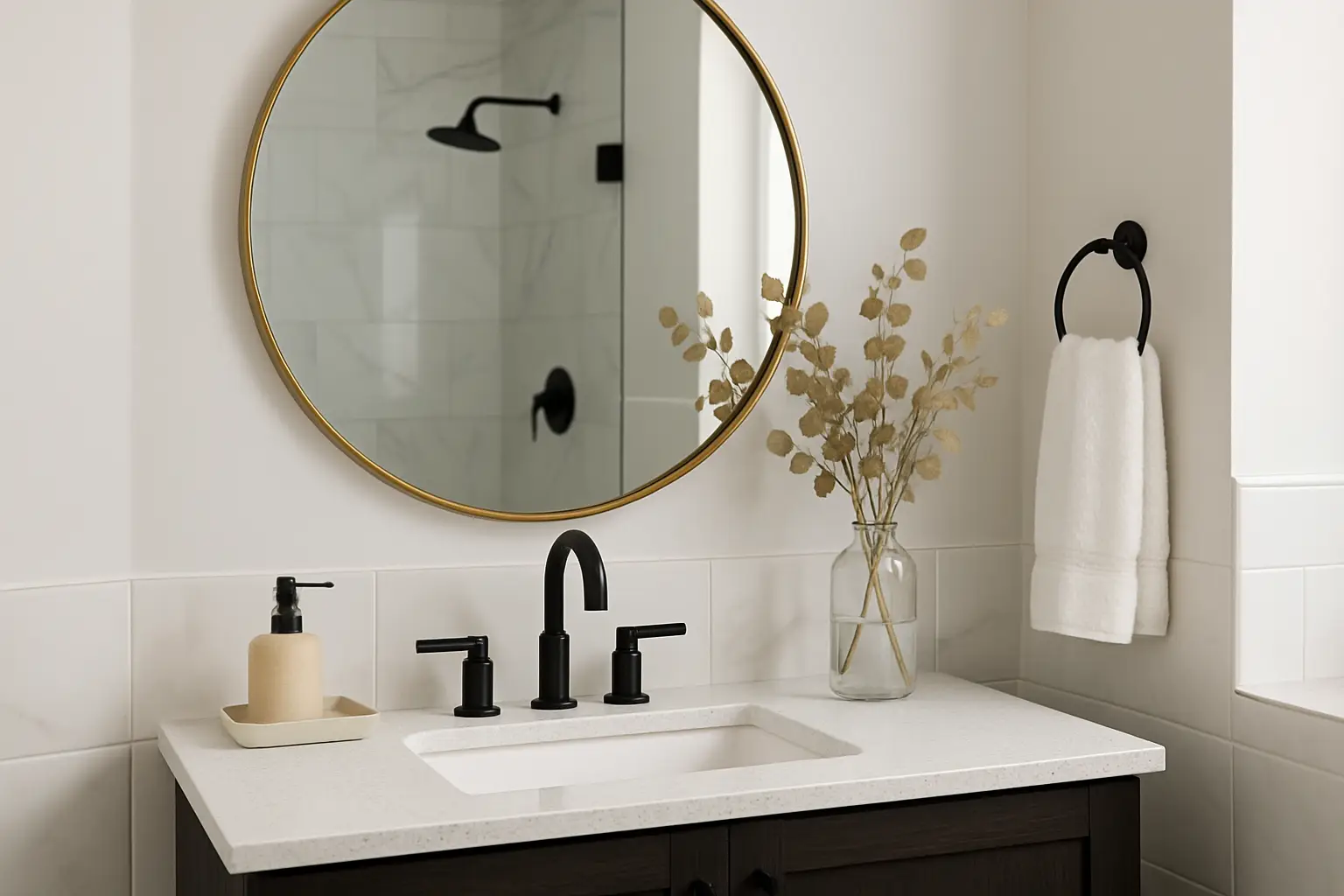
- Faucets: Choose finishes that match or complement your overall design, such as chrome, matte black, or brushed nickel.
- Showerheads: Consider options with various spray patterns and water-saving features.
- Toilet Seats: Selecting ergonomically designed seats can enhance comfort and usability.
Carefully consider the compatibility of fixtures with existing plumbing to ensure proper installation.
Considering Modern vs. Traditional Bathroom Styles
The choice between modern and traditional styles greatly influences product selection. Modern designs typically feature sleek lines, minimalist fixtures, and neutral colors, while traditional styles often incorporate ornate details, rich woods, and decorative tiles. Balancing between these styles can create a unique bathroom that reflects personal taste.
Customizing Your Online Bathroom Design
Personalizing the design of a bathroom online allows for a unique expression of style and functionality. By customizing various elements, the space can reflect individual preferences and needs.
Using Templates and Pre-Designed Layouts
Many online design tools offer a selection of templates and pre-designed layouts for quick inspiration. These can serve as a foundation for further customization, providing a starting point that simplifies the design process. Users can choose layouts that fit their space constraints while ensuring practicality.
- Pre-built designs for different bathroom sizes
- Options that cater to various styles, such as modern or traditional
- Layouts optimized for functionality and aesthetics
Adding Mirrors, Towel Rails, and Other Accessories
Accessories play a crucial role in enhancing the overall design. Incorporating items like mirrors and towel rails boosts both utility and style. Mirrors can create an illusion of space and light, while towel rails contribute to organization and accessibility.
- Selecting mirrors that complement or contrast the overall theme
- Choosing towel rails that are practical yet stylish
- Including additional accessories like soap dishes and shelving for a polished look
Adjusting Colors and Materials for a Cohesive Style
The selection of colors and materials significantly impacts the bathroom’s ambiance. By coordinating these elements, an integrated design can be achieved. It’s essential to consider water-resistant finishes for long-lasting beauty and practicality.
- Exploring different tile options for floors and walls
- Choosing paint colors that enhance natural light or promote relaxation
- Combining different textures, such as smooth ceramics and rough wood, for visual interest
Practical Tips for Online Bathroom Design Success
Successfully designing a bathroom online requires careful planning and execution. This section provides key advice to optimize the design process and avoid common pitfalls.
Setting and Managing Your Budget
Establishing a budget is crucial for any bathroom redesign. This ensures that spending remains in check while meeting design goals. Consider the following:
- Determine costs for materials and fixtures early in the process.
- Include installation and labor expenses if hiring professionals.
- Set aside a contingency fund for unexpected expenses that may arise during renovation.
Anticipating Issues with Plumbing and Wastes
Identifying potential plumbing challenges can prevent costly mistakes. Issues may include:
- Assessing the existing plumbing layout and its compatibility with new designs.
- Planning for drainage solutions, particularly in bathrooms with additional fixtures.
- Consulting professionals if there are major structural changes involved.
Expert Advice and Frequently Asked Questions
Utilizing expert insights can enhance your design experience. Common questions addressed include:
- What is the best way to select materials that fit both style and function?
- How can homeowners ensure that bathroom layouts promote good flow and accessibility?
- What are the current design trends that should be considered?
Exporting Your Plan for Contractors and Installers
After creating a robust bathroom design, exporting the plan for contractors is essential for implementation. Important steps include:
- Sending a detailed layout plan that includes dimensions and specified products.
- Ensuring all elements, such as tiles and fixtures, are clearly labeled for accuracy.
- Providing any additional notes on design preferences that may assist in the execution.
Inspiration and Ideas for Your Dream Bathroom
Finding the perfect inspiration for a dream bathroom can transform this essential space into a personal sanctuary. The latest trends showcase creativity and functionality, offering countless possibilities.
Trending Styles and Popular Bathroom Designs
Contemporary bathrooms are embracing various styles that blend comfort with elegance. Popular designs include:
- Minimalist: Clean lines and simple fixtures create a spacious feel.
- Industrial: Raw materials like exposed pipes and metal accents add character.
- Farmhouse: Rustic elements and vintage details evoke a warm, inviting atmosphere.
- Spa-like Retreats: Natural finishes and calming colors promote relaxation.
Combining Functionality with Aesthetics
Efficient bathrooms balance style with practicality. Key considerations include:
- Smart storage solutions, like built-in shelves and under-sink cabinets, keep the area organized.
- Layered lighting provides ambiance while ensuring every corner is illuminated.
- Durable materials endure daily use while maintaining their aesthetic appeal.
Creating Privacy and Comfort in Your Bathroom Room
Comfort and privacy are essential for a tranquil bathroom environment. Strategies to enhance these aspects include:
- Strategic placement of frosted glass windows allows natural light while maintaining discretion.
- Curtains and screens can be used to separate areas, fostering an intimate setting.
- Selecting soft, warm colors can make the room feel more inviting and cozy.