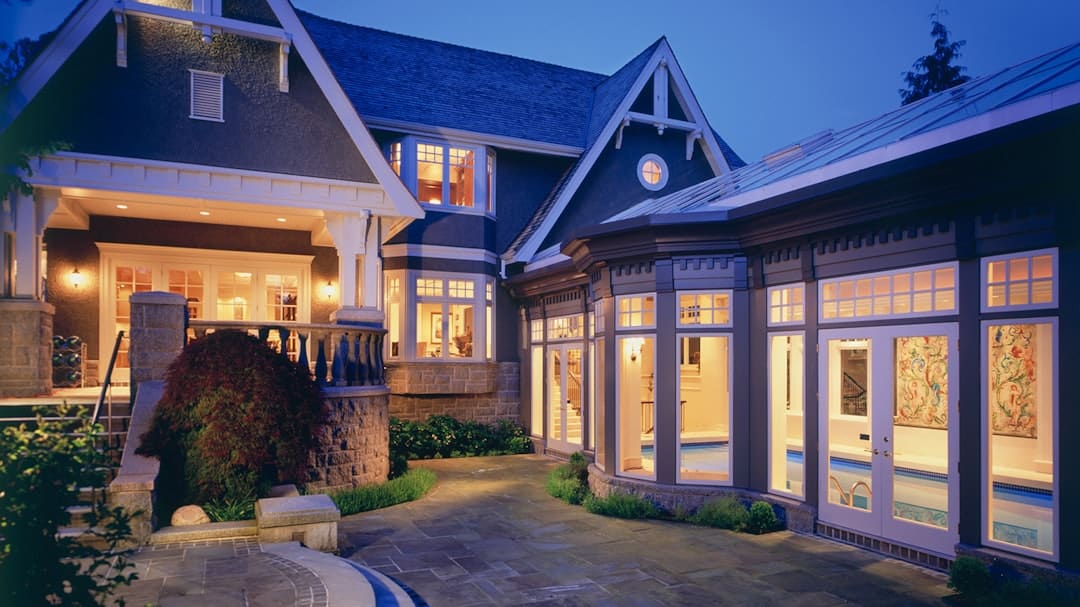









The kitchen is undeniably the heart of the home, a vibrant hub for cooking, entertaining, and daily life. Designing a space that is both beautiful and highly functional requires careful planning and a deep understanding of your needs. This comprehensive guide will walk you through every step of creating your dream kitchen, transforming it from a mere concept into a cherished reality within your home design.

I. Laying the Foundation: Initial Planning & Vision
Before delving into finishes and fixtures, a solid foundation of planning is crucial. This initial phase defines the scope and direction of your entire kitchen renovation.
A. Define Your Needs & Lifestyle
Begin by considering how you and your family use the kitchen. Are you a gourmet chef, a busy parent needing quick meal solutions, or someone who loves to entertain? Think about storage requirements, seating needs, and the flow of daily activities. Documenting your current kitchen’s pain points and your wish list for the new space is an essential first step in effective home design.
B. Establish Your Budget
A realistic budget is perhaps the most critical component of any home design project. Break down potential costs for cabinetry, countertops, appliances, flooring, lighting, plumbing, and labor. Be sure to allocate a contingency fund (10-15%) for unexpected expenses. Understanding your financial parameters early will guide your material and appliance selections and help manage expectations throughout your kitchen design journey.
C. Find Your Style
Your dream kitchen should seamlessly integrate with your home’s overall aesthetic. Explore various kitchen design styles – modern, traditional, farmhouse, industrial, minimalist, or transitional – to find what resonates with you. Gather inspiration from magazines, online platforms, and design showrooms. Consider elements like color palettes, material preferences, and architectural details that reflect your personal taste.
II. Maximizing Space & Functionality: The Layout
The layout dictates the efficiency and flow of your kitchen. Thoughtful space planning is key to creating a truly functional and enjoyable environment.
A. Understanding Kitchen Layouts
Common kitchen layouts include U-shape, L-shape, galley, and single-wall designs, often augmented by islands or peninsulas. Each configuration offers distinct advantages regarding space utilization and workflow. For smaller kitchens, compact layouts focus on efficiency, while larger spaces can accommodate expansive islands for prep and social gatherings.
B. The Kitchen Work Triangle
A timeless principle in kitchen design, the “work triangle” connects the three primary workstations: the refrigerator, sink, and stove. Optimizing the distance and accessibility between these points minimizes steps and maximizes efficiency during meal preparation. Aim for a triangle where the sum of the three sides is between 12 and 26 feet, ensuring a comfortable and functional kitchen experience.
C. Zoning for Efficiency
Beyond the work triangle, consider creating specific zones for different activities. Common zones include a prep area, cooking zone, cleaning station, storage pantry, and perhaps a dedicated coffee bar or baking center. Strategic zoning enhances organization and allows multiple users to operate comfortably in the kitchen simultaneously, a hallmark of excellent home design.
III. The Heart of the Kitchen: Key Elements
The major components of your kitchen — cabinetry, countertops, appliances, and flooring — form its core functionality and aesthetic appeal.
A. Cabinetry: Storage & Style
Kitchen cabinets are central to both storage and the overall look of your space. Explore various styles (shaker, flat-panel, raised-panel), materials (wood, MDF, laminate), and finishes. Consider innovative storage solutions like pull-out pantries, corner lazy Susans, and drawer organizers to maximize every inch. High-quality cabinetry is an investment that greatly influences the longevity and beauty of your kitchen design.
B. Countertops: Durability & Aesthetics
Your countertops endure daily wear and tear, making material choice paramount. Popular options include durable quartz, luxurious granite, classic marble, warm butcher block, and cost-effective laminates. Each material offers unique benefits in terms of durability, maintenance, and visual appeal. Select a countertop that complements your cabinetry and flooring while standing up to your lifestyle.
C. Appliances: Integrated & Smart
Modern kitchen appliances combine cutting-edge technology with sleek design. Decide whether you prefer integrated appliances that blend seamlessly with cabinetry or freestanding models that make a statement. Prioritize energy-efficient options and consider smart features that enhance convenience. Proper placement of your refrigerator, oven, range, dishwasher, and microwave is crucial for workflow.
D. Flooring: Practicality Meets Design
Kitchen flooring needs to be both durable and aesthetically pleasing. Options like porcelain or ceramic tile offer excellent water resistance and durability, while hardwood provides warmth and timeless elegance. Vinyl plank and laminate are cost-effective choices that mimic natural materials. Select a flooring material that can withstand spills, traffic, and complements your overall kitchen design.
IV. Illuminating & Accessorizing: Details That Shine
It’s the thoughtful details that truly elevate a kitchen from functional to fabulous, adding personality and enhancing usability.
A. Lighting Design: Layered Brilliance
Effective kitchen lighting is achieved through layers. Implement ambient lighting (general room illumination), task lighting (under-cabinet lights for prep areas), and accent lighting (pendants over an island or decorative fixtures) to create a versatile and inviting atmosphere. Dimmers offer flexibility, allowing you to adjust the mood from bright task-oriented work to soft, entertaining ambiance.
B. Backsplash: Protection & Personality
A backsplash not only protects your walls from splashes but also serves as a key decorative element. From subway tiles and mosaic patterns to slab materials and intricate designs, your backsplash is an opportunity to inject personality and color into your kitchen design. It ties together your countertops and cabinetry, creating a cohesive visual statement.
C. Faucets & Sinks: Functional Flair
Don’t underestimate the impact of your sink and faucet choice. Consider single-basin versus double-basin sinks, and materials like stainless steel, cast iron, or composite. Faucet styles range from pull-down sprayers to touchless technology, offering both aesthetic appeal and practical convenience in your daily routine.
D. Hardware & Fixtures: The Finishing Touch
Cabinet hardware (knobs and pulls), light fixtures, and other small details are the jewelry of your kitchen. These elements can significantly influence the overall style and feel, providing a cohesive look or a contrasting accent. Choose finishes that harmonize with your appliances and overall design theme, whether it’s brushed nickel, matte black, polished chrome, or antique brass.
V. Bringing It All Together: Professional Guidance & Sustainability
Even with a detailed plan, expert advice and conscious choices can elevate your dream kitchen to new heights.
A. Working with Professionals
For larger or more complex kitchen renovation projects, hiring an experienced interior designer or kitchen contractor can be invaluable. Professionals can offer expert insights, navigate technical challenges, source materials, and manage the project timeline and budget efficiently, ensuring your vision is realized to the highest standards of home design.
B. Sustainable Kitchen Design
Integrate sustainable practices into your kitchen design choices. Opt for energy-efficient appliances, use responsibly sourced or recycled materials for cabinetry and countertops, and consider LED lighting. Prioritizing durability and timeless design also contributes to sustainability by reducing the need for frequent replacements.
Conclusion
Creating your dream kitchen is a journey of discovery, blending personal style with practical functionality. By meticulously planning your needs, establishing a budget, defining your aesthetic, and carefully selecting each element from layout to lighting, you can craft a space that not only enhances your daily life but also significantly increases the value and enjoyment of your home. Embrace this exciting home design project, and soon you’ll be cooking, gathering, and making memories in the kitchen you’ve always envisioned.