







A freshly painted wall looks amazing right up until someone brushes past it with a backpack, a dog shakes off near the baseboard, or spaghetti night goes slightly off-script. If you want your home to feel pulled-together without treating every room like a museum, washable paint is one of the smartest upgrades you can make.
When people search for the best washable paint for walls, they usually mean two things: it should clean up without leaving shiny “wipe marks,” and it should hold its color and finish after repeated scrubbing. The catch is that “washable” is not a single feature. It’s a combination of sheen, resin quality, cure time, and how you clean it.
What “washable” paint really means
Washability is about how well a cured paint film resists staining, burnishing (that unwanted shiny patch after rubbing), and color transfer. The best results come from a durable binder (often acrylic), a finish that can handle contact, and a wall prep and application method that creates a uniform surface.
Also, most modern interior paints are labeled “scrubbable” or “washable,” but the performance range is huge. A premium line in the right sheen can handle kids and pets for years. A bargain paint in a flat finish might look beautiful on day one, then show every touch-up and wipe on day thirty.
The first decision: pick the right sheen for your lifestyle
If you only remember one thing, make it this: sheen is the biggest lever you can pull for washability.
Matte and flat finishes hide drywall flaws and look high-end, but they’re more likely to burnish when scrubbed hard. That said, today’s “washable matte” formulas can be excellent in bedrooms, offices, and living rooms where you want a soft look but still need occasional cleanup.
Eggshell is the all-around favorite for most homes. It has just enough sheen to wipe clean more easily than matte, without reading “shiny” on the wall.
Satin is a workhorse for busy spaces. If you have kids, a narrow hallway, or a mudroom wall that takes daily hits, satin is often the sweet spot. The trade-off is that satin can highlight wall imperfections more than eggshell.
Semi-gloss is highly washable and moisture-resistant, but it reflects light more strongly. It’s usually best reserved for trim, doors, kitchens with lots of splatter, and bathrooms with frequent humidity. On broad walls, semi-gloss can feel too glossy unless that’s the look you’re after.
The best washable paint for walls by room
Your walls don’t all live the same life. Matching the paint to the room is how you get durability without sacrificing the mood.
High-traffic hallways and stairs
Hallways take constant friction from hands, bags, and furniture corners. This is where “scrubbability” matters most, and it’s also where patchy touch-ups are most noticeable.
For most homes, a premium eggshell or satin is ideal. Satin will resist scuffs better, while eggshell will be a bit more forgiving if your walls aren’t perfectly smooth. If your hallway gets harsh daylight, eggshell can look more even.
Kitchens (especially near the stove and dining area)
Kitchens need stain resistance, but they also need a finish that won’t look greasy after a wipe-down. A satin wall finish is usually the safest bet. If you cook a lot, or have an eat-in kitchen with kid traffic, you can push to semi-gloss on the most abused walls, but test first because sheen can change how your color reads.
If you’re painting over an older semi-gloss or a wall with lingering cooking residue, prep matters as much as product: degrease, rinse, let dry, then use a bonding primer if needed.
Bathrooms and laundry rooms
In these spaces, washability overlaps with moisture management. You want a paint that resists mildew and holds up to condensation.
A satin or semi-gloss finish is typically best for bathroom walls, paired with good ventilation. If you love the look of matte in a powder room, it can work, but in a frequently used full bath, a higher sheen will be more reliable long-term.
Kids’ rooms, playrooms, and nurseries
These rooms need to handle fingerprints, crayons, and the occasional “science experiment.” A washable matte or eggshell can look cozy and elevated, while still allowing regular cleaning.
If your kids’ walls get constant contact (beds pushed against the wall, chairs scraping, toys), step up to eggshell or satin. The goal is to reduce how hard you have to scrub – because aggressive scrubbing is what creates shiny spots and texture changes.
Living rooms and bedrooms
Most adults want these spaces to feel calm, not clinical. This is where washable matte has earned its place. If you’re painting a wall with imperfections you don’t want to skim coat, a premium washable matte can deliver that designer look while still handling light cleaning.
If you host often or have pets that rub against walls, eggshell is a comfortable upgrade in durability without changing the vibe too much.
Product lines worth knowing (and how to choose among them)
Paint performance varies by line more than by brand name alone. Here are well-known interior options that tend to score well for washability, with a focus on choosing the right formula rather than chasing a single “magic” can.
Benjamin Moore Regal Select is a go-to for balanced durability and a refined finish, especially in eggshell and satin. It’s a strong choice when you want walls that stay looking “new” after routine cleaning.
Benjamin Moore Aura is a premium option known for rich color and strong film build. It can be a great pick for statement colors where you want depth, but it costs more and rewards careful application.
Sherwin-Williams Duration Home is often chosen for high-traffic areas and homes with kids and pets. It’s designed for durability and washability, and it performs well in busier zones like hallways.
Sherwin-Williams Emerald Interior Acrylic Latex is a popular premium line for both looks and performance, especially if you want a higher-end finish that still cleans well.
Behr Marquee and Behr Ultra Scuff Defense are commonly used for DIY projects with a value focus. Scuff Defense is particularly relevant if your main problem is abrasion in hallways or kids’ spaces.
This is the part where “best” depends on your priorities. If you want the smoothest, most consistent finish, paying for a premium line is often worth it. If you’re repainting a rental or touching up often, a mid-tier durable line can be the better balance.
The hidden factor: washability depends on cure time
Many walls get damaged because they’re cleaned too soon. Paint may feel dry in hours, but it typically needs weeks to fully cure. During that early period, the surface is more vulnerable to burnishing and scuffs.
If you can, plan your project so high-contact areas (hallways, kitchen eating zones) get a little “quiet time” before you start scrubbing. For the first couple weeks, treat marks gently and spot-clean with minimal moisture.
How to clean painted walls without ruining the finish
Even the best washable paint for walls can look worse if it’s cleaned the wrong way. The goal is to lift grime without polishing the paint.
Start with a dry microfiber cloth to remove dust. For most marks, warm water with a small amount of mild dish soap is enough. Use a soft sponge or microfiber, and clean with light pressure. Rinse with clean water, then pat dry.
Avoid abrasive pads and heavy-duty degreasers unless the paint label says it can handle them. And don’t scrub a small spot repeatedly in tight circles – that’s how you get a shiny patch. Instead, feather your cleaning outward so the sheen stays even.
Prep and application tips that make paint more washable
Washability isn’t only in the can. It’s also in the wall surface you create.
If your wall is dusty, chalky, or greasy, paint can’t form a consistent film, which makes it harder to clean later. A quick wash and a proper dry time go a long way. Patch and sand carefully because bumps and ridges become “catch points” for dirt, especially in higher sheens.
Primer matters when you’re dealing with stains, repairs, or glossy old paint. If you skip primer where it’s needed, you can end up with uneven sheen that looks like cleaning damage later, even if it’s really a coverage issue.
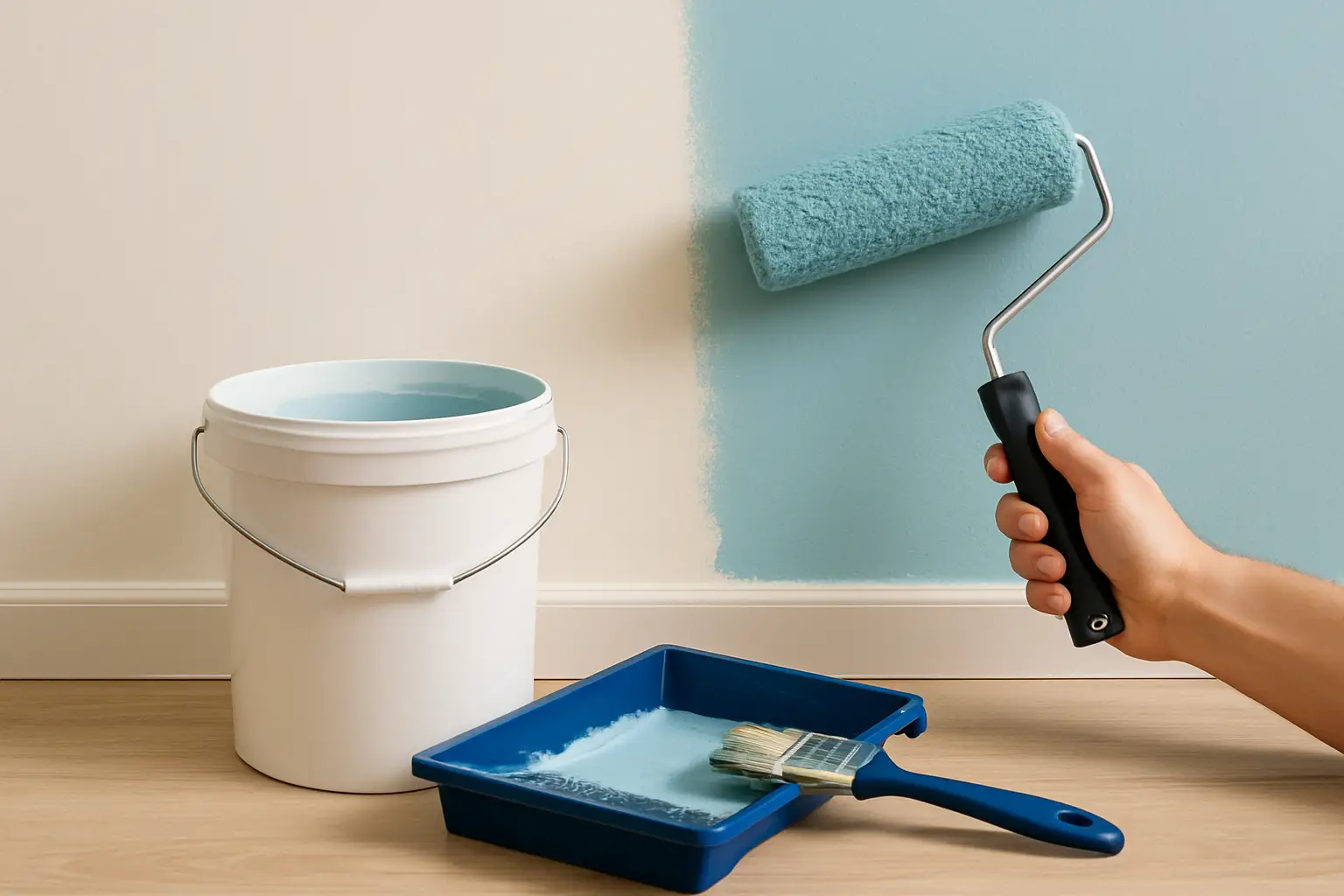
Application matters too. Use the recommended nap roller for your wall texture, keep a wet edge, and don’t over-roll as the paint starts to set. Overworking can create lap marks and weak spots that show up after cleaning.
What to buy if you want one safe choice
If you’re overwhelmed and just want a dependable path, choose a premium interior acrylic paint in eggshell for most rooms, then shift to satin in high-traffic zones and satin or semi-gloss in bathrooms.
That approach keeps your home looking cohesive while quietly boosting durability where it counts. It’s also renter-friendly and resale-friendly because you’re not committing every wall to a shiny finish.
If you want more room-by-room planning help and finish-matching ideas, you can explore the paint and color guides on Home Design United.
When washable paint is not enough
Sometimes the problem isn’t the paint. If you have frequent scuffs from tight furniture layouts, consider adding a chair rail, a washable wall panel treatment in the most abused section, or simply changing the traffic pattern with a slim console or entry bench.
And if the wall is constantly exposed to moisture (like an unventilated bathroom), even the best paint will struggle. Improving ventilation and controlling humidity will do more for longevity than upgrading from one premium line to another.
The real win with washable paint is confidence: you can choose colors you love, live normally, and clean up the evidence without turning your walls into a patchwork of shiny spots. Pick the sheen that fits your day-to-day life, let it cure, then clean gently – and your walls will keep up with you.