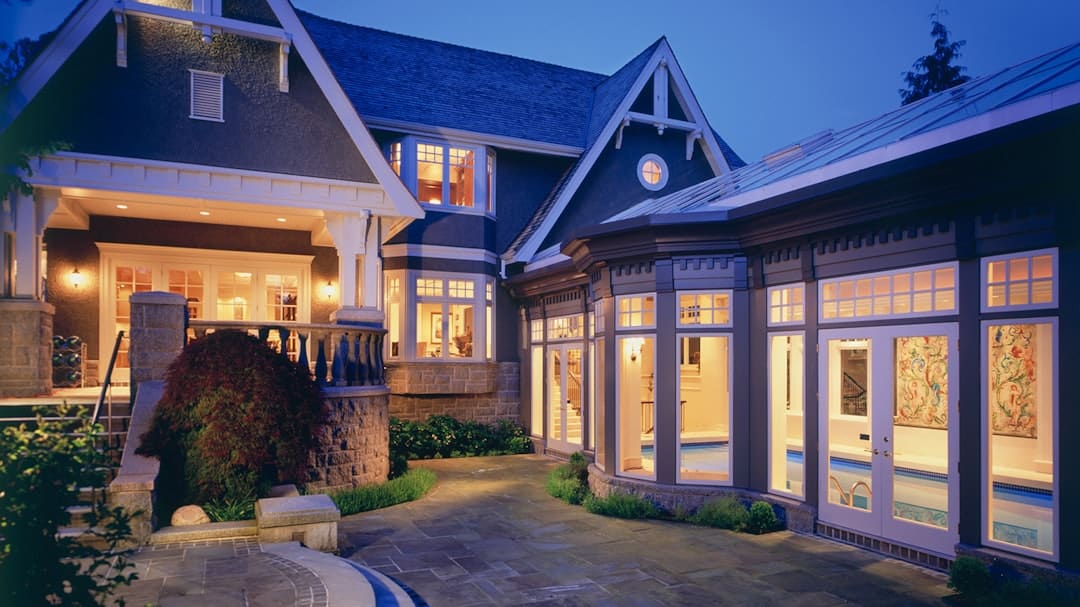








In the realm of home design, few elements wield as much transformative power as lighting. Far from being a mere functional necessity, effective illumination is a fundamental design tool that can dramatically alter the perception, mood, and functionality of any space. Often overlooked or treated as an afterthought, a well-planned lighting scheme can enhance architectural features, highlight decor, create inviting atmospheres, and even impact our well-being. This article delves into how to harness the potential of lighting to elevate your home’s aesthetic and practical appeal.
Understanding the Fundamentals of Home Lighting
To use lighting effectively, it’s crucial to understand its primary categories and how they interact to form a cohesive design. The most successful lighting schemes employ a layered approach, combining different types of illumination to achieve both function and ambiance.
The Three Layers of Light
1. Ambient Lighting: This is the general, overarching illumination that provides a comfortable level of brightness throughout a room. Its purpose is to ensure safe navigation and overall visibility.
Examples:* Recessed ceiling lights, ceiling-mounted fixtures, chandeliers, track lighting, and cove lighting. It sets the foundational mood for the space.
2. Task Lighting: Designed for specific activities, task lighting provides concentrated light precisely where it’s needed, reducing eye strain and increasing productivity.
Examples:* Desk lamps, under-cabinet lighting in kitchens, reading lamps beside sofas or beds, and pendant lights over kitchen islands or dining tables. It must be bright enough without creating glare.
3. Accent Lighting: This layer is all about drama and highlighting. Accent lighting draws attention to specific architectural features, artwork, plants, or decorative elements, adding depth and visual interest to a room.
Examples:* Wall-mounted picture lights, uplights for plants, narrow-beam spotlights, and wall sconces. Typically three times brighter than ambient light, it creates focal points and visual pathways.
Strategic Application: Designing with Light
Integrating these three layers requires thoughtful planning, considering the room’s purpose, natural light availability, and desired atmosphere.
Balancing Form and Function
Every lighting fixture should serve a purpose, whether it’s functional or decorative, or ideally, both. When selecting fixtures, consider the style of your home, the scale of the room, and the desired light output. A visually stunning chandelier might be beautiful, but if it’s the only light source in a kitchen, it will fail to provide adequate task lighting. Conversely, an abundance of purely functional recessed lights can make a room feel sterile. The key is to find a harmonious balance.
Harnessing Natural Light
Maximizing natural light is paramount in effective home design. Sunlight invigorates a space, reduces energy consumption, and positively impacts mood.
* Strategize Window Treatments: Use sheer curtains or blinds that allow diffused light to enter while offering privacy. Avoid heavy drapes that block precious light during the day.
* Utilize Reflective Surfaces: Mirrors strategically placed opposite windows can bounce natural light deeper into a room, making it feel larger and brighter. Light-colored walls and furniture also reflect light, enhancing its distribution.
Creating Mood and Atmosphere
Lighting is a powerful tool for setting the emotional tone of a room.
* Dimmers are Your Best Friend: Install dimmers on as many light sources as possible. This allows for instant adjustments, transforming a bright, functional space into a cozy, intimate setting with the flick of a switch.
* Consider Color Temperature: Measured in Kelvin (K), color temperature influences a room’s mood.
Warm White (2700K-3000K):* Creates a cozy, inviting atmosphere, ideal for living rooms, bedrooms, and dining areas.
Cool White/Daylight (3500K-5000K):* More energetic and focused, suitable for kitchens, bathrooms, home offices, and task lighting.
* Strategic Placement and Shadows: Think about where light sources are placed and the shadows they create. Uplighting can make ceilings feel higher, while wall grazing (lighting a wall from a close distance) can emphasize texture. Varying heights and angles of light sources add visual interest.
Beyond the Basics: Modern Lighting Solutions
Technological advancements continue to expand the possibilities for home illumination.
Smart Lighting Systems
Integrate smart lighting to control brightness, color temperature, and even color through apps, voice commands, or automated schedules. This offers unparalleled convenience, energy savings, and the ability to customize scenes for different activities or moods with ease.
Energy Efficiency and LED Technology
LED lighting has revolutionized home design. LEDs are highly energy-efficient, long-lasting, and available in a vast array of color temperatures and styles. Switching to LEDs reduces electricity bills and minimizes environmental impact, making them a sustainable choice for any home.
Conclusion
Lighting is undeniably a cornerstone of effective home design, far exceeding its basic function to illuminate. By strategically layering ambient, task, and accent lighting, harnessing natural light, and embracing modern technologies, homeowners can craft spaces that are not only beautiful and functional but also evoke the perfect mood and enhance daily living. Don’s underestimate the power of thoughtful illumination; it truly matters.