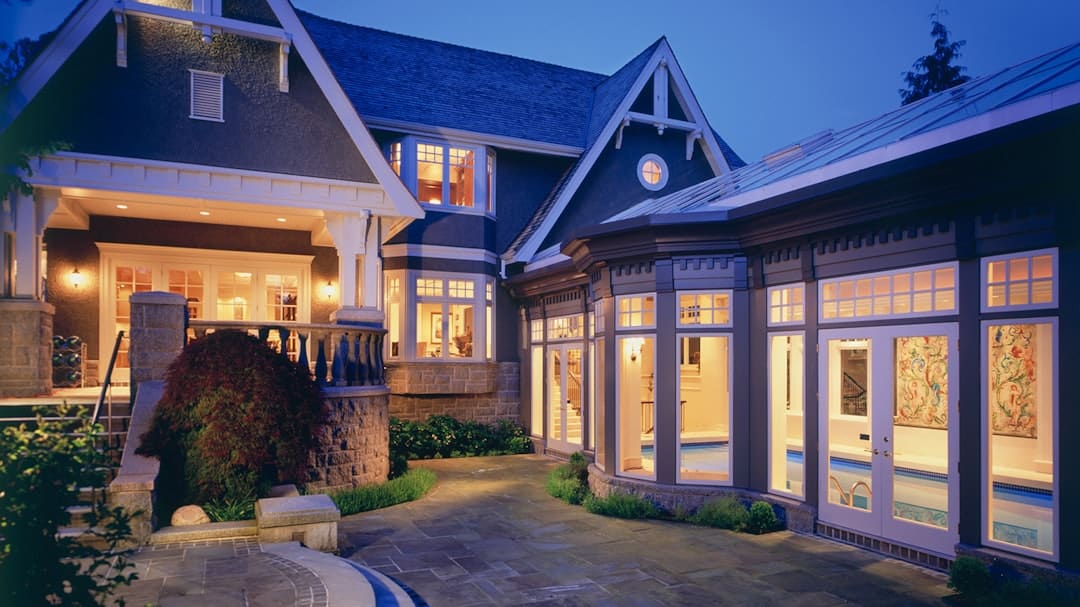








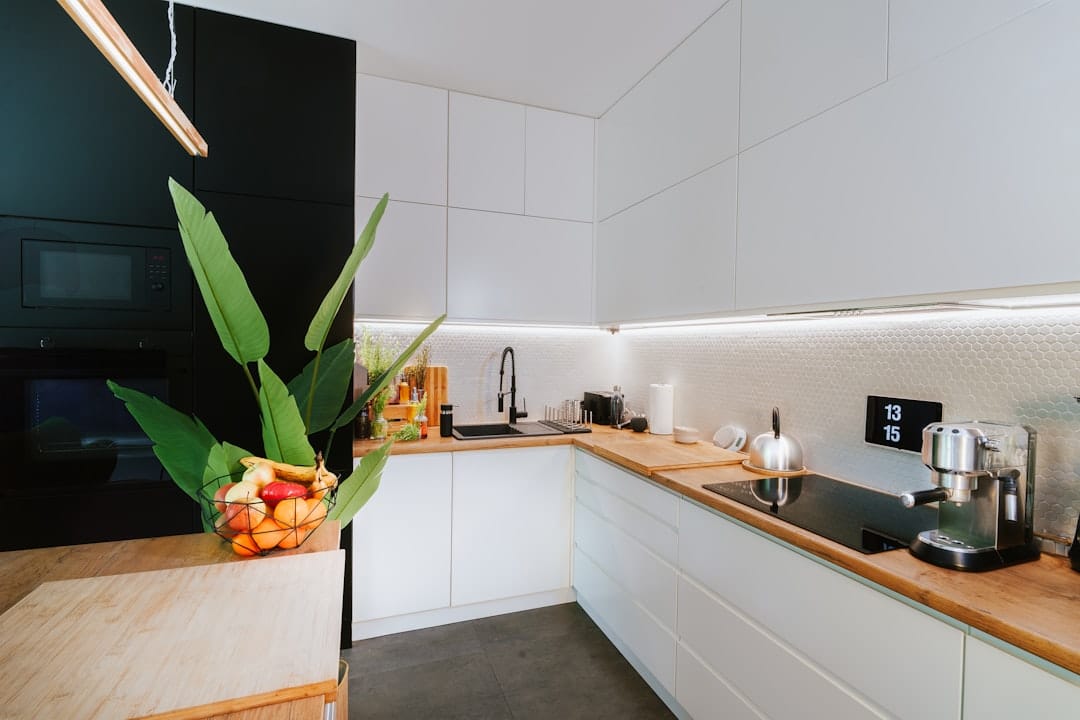
The modern home is evolving, transforming from a mere living space into an intelligent environment that anticipates our needs and enhances our daily lives. While the allure of smart home technology is undeniable, the challenge for discerning homeowners and designers lies in integrating these innovations not just functionally, but also seamlessly and stylishly. This isn’t about simply adding gadgets; it’s about weaving technology into the very fabric of home design, creating an intuitive, beautiful, and future-ready living experience.
The Philosophy of Seamless Integration
True smart home design goes beyond bolting on devices. It’s a holistic approach where technology serves the design, rather than dictating it. The goal is an environment where advanced functionalities operate in the background, enhancing comfort, convenience, and security without ever feeling intrusive or cluttering the aesthetic.
Beyond Gadgets: A Holistic Approach
Successful smart home integration begins at the architectural planning stage. Designers must consider how systems for lighting, climate control, security, and entertainment will coexist, interact, and complement the home’s overall design scheme. This involves a deep understanding of both cutting-edge technology and timeless interior design principles, ensuring that innovation elevates the home’s beauty and functionality.
Prioritizing User Experience and Aesthetics
At the heart of seamless integration is the user experience. Technology should simplify, not complicate. This means intuitive interfaces, automated routines, and responsive systems that feel like natural extensions of the home. Aesthetically, it demands that smart devices either blend invisibly into their surroundings or, when visible, contribute positively to the interior design, echoing the chosen style from minimalist to classic.
Designing for Discretion: Concealing Technology
One of the greatest challenges in smart home design is managing the physical presence of technology. Wires, boxes, and screens can quickly detract from a carefully curated interior. Strategic design, however, can make these elements disappear.
Architectural Elements and Hidden Solutions
Sophisticated smart homes leverage architectural features to conceal technology. Recessed lighting fixtures often incorporate smart bulbs and sensors, while flush-mounted touchscreens become part of the wall, framed like art. Custom cabinetry can hide entertainment systems, charging stations, and network equipment. Even smart speakers can be integrated into bespoke furniture or hidden within walls, covered by acoustically transparent materials, maintaining a clean and uncluttered look.
The Art of Material and Finish Selection
The choice of materials and finishes plays a crucial role in making technology blend in. Designers can select smart devices that match existing color palettes or textures, using materials like wood, metal, or glass that complement the home’s aesthetic. For instance, security cameras can be disguised as decorative elements, and control panels can be chosen to mirror the finishes of light switches or outlets, ensuring a cohesive and sophisticated appearance.
Functional Elegance: Smart Systems in Action
When technology is integrated thoughtfully, it becomes an invisible butler, anticipating needs and enhancing every facet of daily life with understated elegance.
Intelligent Lighting and Climate Control
Smart lighting systems offer unparalleled control over ambiance and energy efficiency. Tunable white lighting can adjust color temperature throughout the day to support circadian rhythms, while motion sensors ensure lights activate only when needed. Similarly, smart thermostats learn resident preferences, optimizing climate control for comfort and energy savings, often disappearing into elegant wall panels or controlled through discreet voice commands.
Integrated Entertainment and Security
Modern entertainment systems now feature hidden projectors, retractable screens, and in-wall or in-ceiling speakers that deliver immersive audio-visual experiences without visual clutter. Security systems, too, are becoming more discreet, with cameras designed to blend in, smart locks that complement door hardware, and sensors that are virtually invisible, providing peace of mind without compromising style.
Voice Control and Automation: The Invisible Interface
The ultimate expression of seamless integration is voice control. With a simple command, residents can adjust lighting, play music, lock doors, or set the thermostat, all without touching a switch or screen. Automation routines further enhance this experience, allowing for personalized “scenes” (e.g., “Good Morning” activating lights, opening blinds, and starting coffee) that effortlessly manage multiple systems, making the home truly responsive.
Planning for the Future: Scalability and Longevity
A well-designed smart home is an investment, and like any investment, it should be future-proof. This means planning for technological advancements and ensuring the system can evolve without requiring a complete overhaul.
Infrastructure First: Wiring and Connectivity
The foundation of any robust smart home is its infrastructure. Extensive, well-planned wiring for both power and data (ethernet, fiber optics) is critical, even for wireless systems. This provides reliable connectivity, minimizes reliance on Wi-Fi, and allows for future upgrades to bandwidth-intensive applications. A strong, secure home network is paramount for smooth operation and data privacy.
Future-Proofing Your Smart Home Design
To ensure longevity, smart home designs should prioritize open standards and modular systems. This allows for compatibility with a wider range of devices and makes it easier to upgrade individual components as technology evolves, rather than being locked into a proprietary ecosystem. Scalability is key, ensuring the system can grow with the family’s needs and incorporate new innovations as they emerge, protecting the initial design investment.
Conclusion
Smart home design is an art form that marries cutting-edge technology with sophisticated aesthetics. By focusing on seamless integration, thoughtful concealment, functional elegance, and future-proof planning, designers can create living spaces that are not only technologically advanced but also profoundly beautiful and deeply personal. The ultimate smart home is one where technology disappears into the background, allowing residents to live more comfortably, securely, and stylishly, truly elevating the concept of modern living.