







Our homes are more than just shelters; they are evolving spaces that reflect our lifestyles, values, and technological advancements. As we navigate a world that prioritizes well-being, sustainability, and personal expression, modern home design is transforming to meet these demands. Staying abreast of these contemporary design trends is crucial for anyone looking to create a stylish, functional, and future-proof living environment. This article delves into the most impactful home design trends shaping the way we live today.

Sustainability & Wellness at the Forefront
Modern home design is increasingly centered around creating spaces that not only look good but also feel good and do good for the planet.
Biophilic Design Integration
Bringing the outdoors in is no longer just about a few houseplants. Biophilic design emphasizes connecting occupants with nature through natural light, ventilation, views of greenery, and the use of natural materials. This trend enhances well-being, reduces stress, and improves air quality, making homes feel more calming and rejuvenating. Think large windows, indoor gardens, and design elements that mimic natural forms.
Eco-Friendly Materials
The demand for sustainable and ethically sourced materials is skyrocketing. Homeowners are opting for recycled, reclaimed, and rapidly renewable materials like bamboo, cork, and salvaged wood. Low-VOC (volatile organic compound) paints and finishes, along with durable, long-lasting products, are also key considerations in creating healthier indoor environments and reducing environmental impact.
Energy Efficiency
Beyond material choices, modern homes are designed for optimal energy performance. This includes smart thermostat integration, high-efficiency windows and insulation, solar panel adoption, and energy-saving appliances. The goal is to minimize carbon footprint while simultaneously reducing utility costs.
Smart Technology Integration
Technology is no longer a luxury but an integral part of modern home design, offering unparalleled convenience, security, and efficiency.
Seamless Integration
The focus is on seamless, intuitive technology that enhances daily living without being overtly visible. Voice-controlled systems for lighting, climate, entertainment, and security are becoming standard. Designers are cleverly concealing wires and devices to maintain clean aesthetics while maximizing functionality.
Future-Proofing
Smart homes are being designed with scalability in mind. Homeowners are investing in systems that can be easily upgraded or expanded as technology evolves, ensuring their homes remain cutting-edge for years to come. This includes robust Wi-Fi infrastructure and integrated smart hubs that can connect various devices.
Flexible & Multi-Functional Spaces
The way we live, work, and socialize has profoundly influenced the demand for adaptable living environments.
Open-Concept Evolution
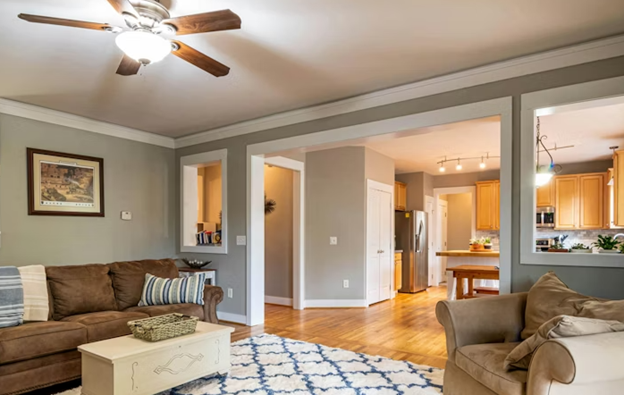
While open-concept layouts remain popular, there’s a growing trend towards defining zones within these large spaces. Movable partitions, clever furniture arrangements, and changes in flooring or ceiling heights are used to create distinct areas for dining, lounging, and working, offering both connectivity and intimacy.
Adaptable Furniture & Walls
Multi-functional furniture – such as sofa beds, expandable tables, and storage ottomans – is essential for maximizing space. Similarly, sliding doors, pocket doors, and even modular wall systems allow homeowners to reconfigure layouts as needed, transforming a guest room into a home office or expanding a living area for entertaining.
Textural Richness & Natural Elements
Moving beyond stark minimalism, modern design is embracing warmth, comfort, and sensory experiences through rich textures and earthy palettes.
Warm Minimalism
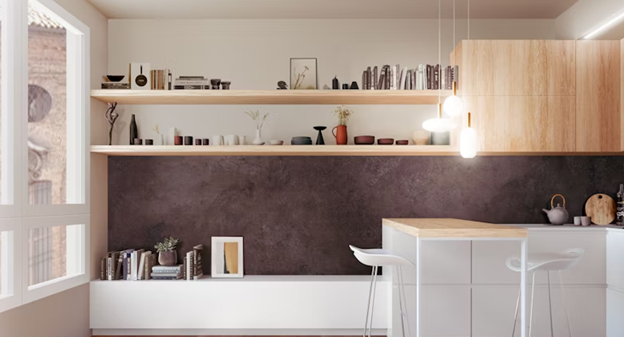
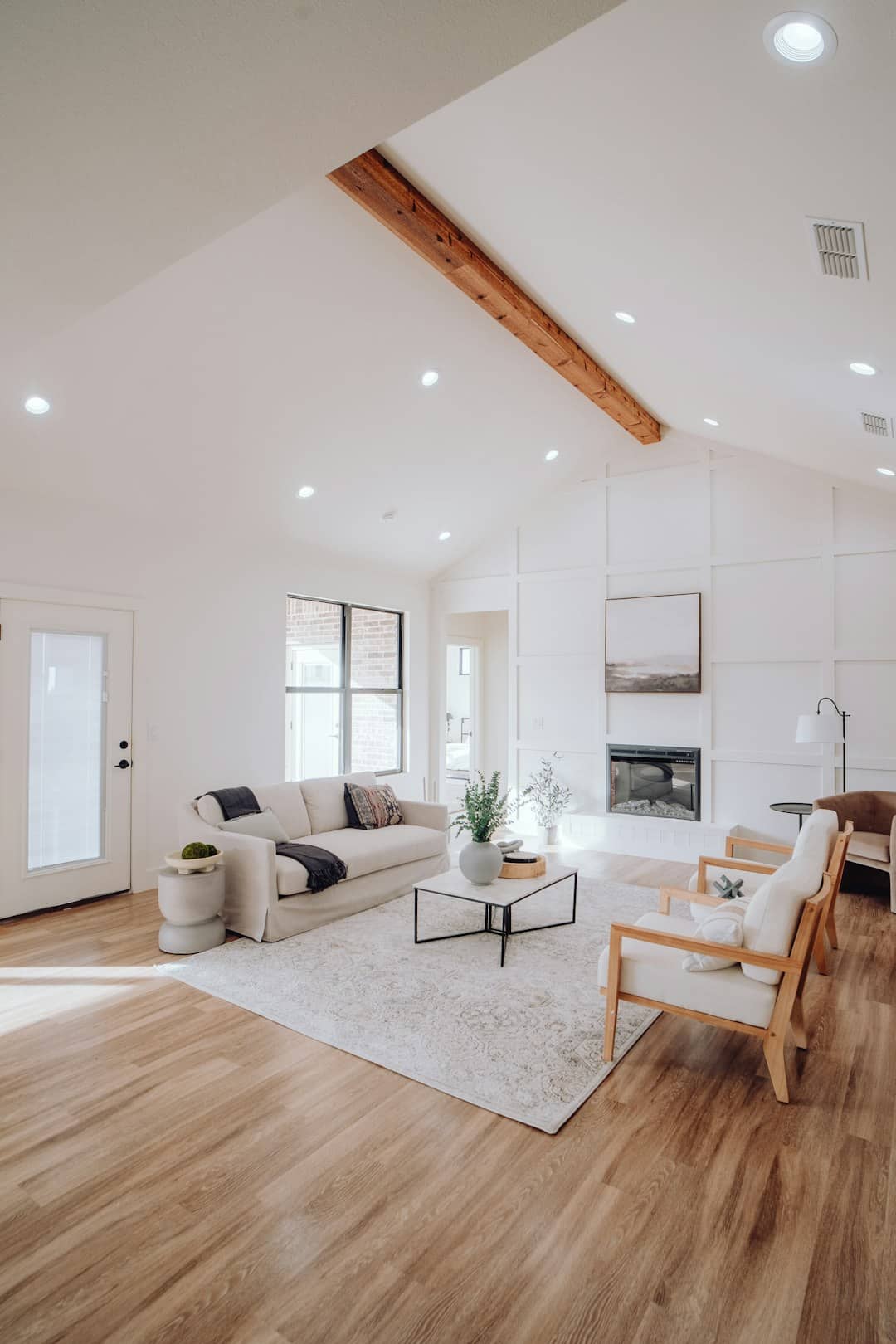
This trend combines the clean lines and uncluttered aesthetic of minimalism with inviting warmth. It’s achieved through the strategic use of natural wood tones, soft textiles like wool and linen, diffused lighting, and a neutral color palette that includes shades of beige, cream, and soft gray. The result is a serene yet welcoming atmosphere.
Earthy Color Palettes
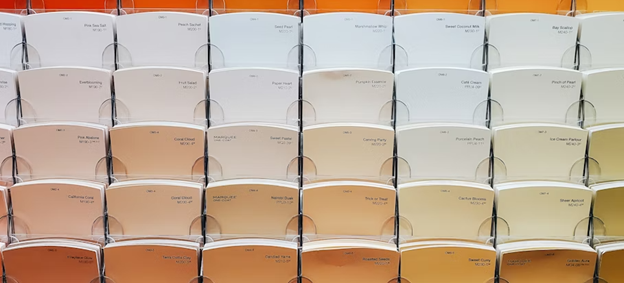
Inspired by nature, earthy tones are dominating modern interiors. Shades of terracotta, sage green, sandy beige, charcoal, and warm browns create a grounding and calming effect. These palettes are often accented with deeper, bolder hues for visual interest.
Mixed Materials
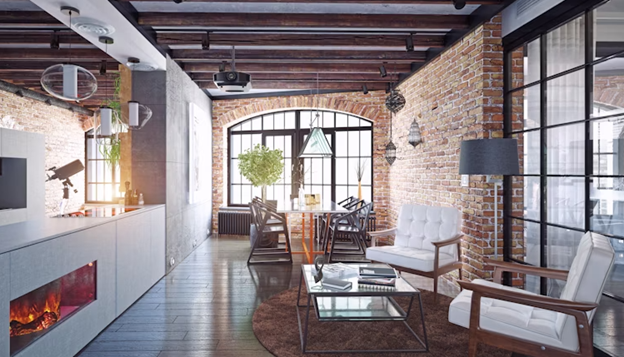
The interplay of different materials adds depth and character to a space. Expect to see combinations of raw wood, polished concrete, exposed brick, natural stone, supple leather, and metallic accents. This layering of textures provides visual interest and a sophisticated tactile experience.
Personalization & Expressive Interiors
Modern homes are increasingly becoming reflections of their occupants’ unique personalities and life stories.
Curated Collections
Homeowners are moving away from mass-produced decor in favor of thoughtfully curated collections. This includes unique art pieces, vintage finds, travel souvenirs, and items with sentimental value that tell a personal story and add a distinctive flair to the interior.
Artisan Craft & Vintage Finds
There’s a strong appreciation for handmade artisan goods and antique or vintage furniture. These pieces bring character, history, and a touch of the unexpected, creating homes that feel unique and authentic rather than showroom-perfect.
Outdoor Living as an Extension
The boundary between indoor and outdoor spaces is increasingly blurring, with exterior areas becoming true extensions of the home.
Seamless Indoor-Outdoor Flow
Large sliding glass doors, retractable walls, and consistent flooring materials that extend from inside to out create a cohesive and expansive living area. This design philosophy maximizes natural light and provides a strong connection to nature.
Fully Equipped Outdoor Zones
Outdoor spaces are being designed with the same care and functionality as indoor rooms. This includes fully equipped outdoor kitchens, comfortable lounge areas with weather-resistant furniture, fire pits, and even outdoor entertainment systems, transforming patios and decks into versatile living environments for entertaining and relaxation.
Conclusion
Modern home design is a dynamic field, continually evolving to meet the demands of contemporary living. The overarching themes of sustainability, well-being, technological integration, flexibility, textural richness, and personalization are shaping homes that are not only aesthetically pleasing but also highly functional and deeply reflective of their inhabitants. By understanding these key trends, homeowners can create spaces that are truly a sanctuary, a statement, and a smart investment for the future.