







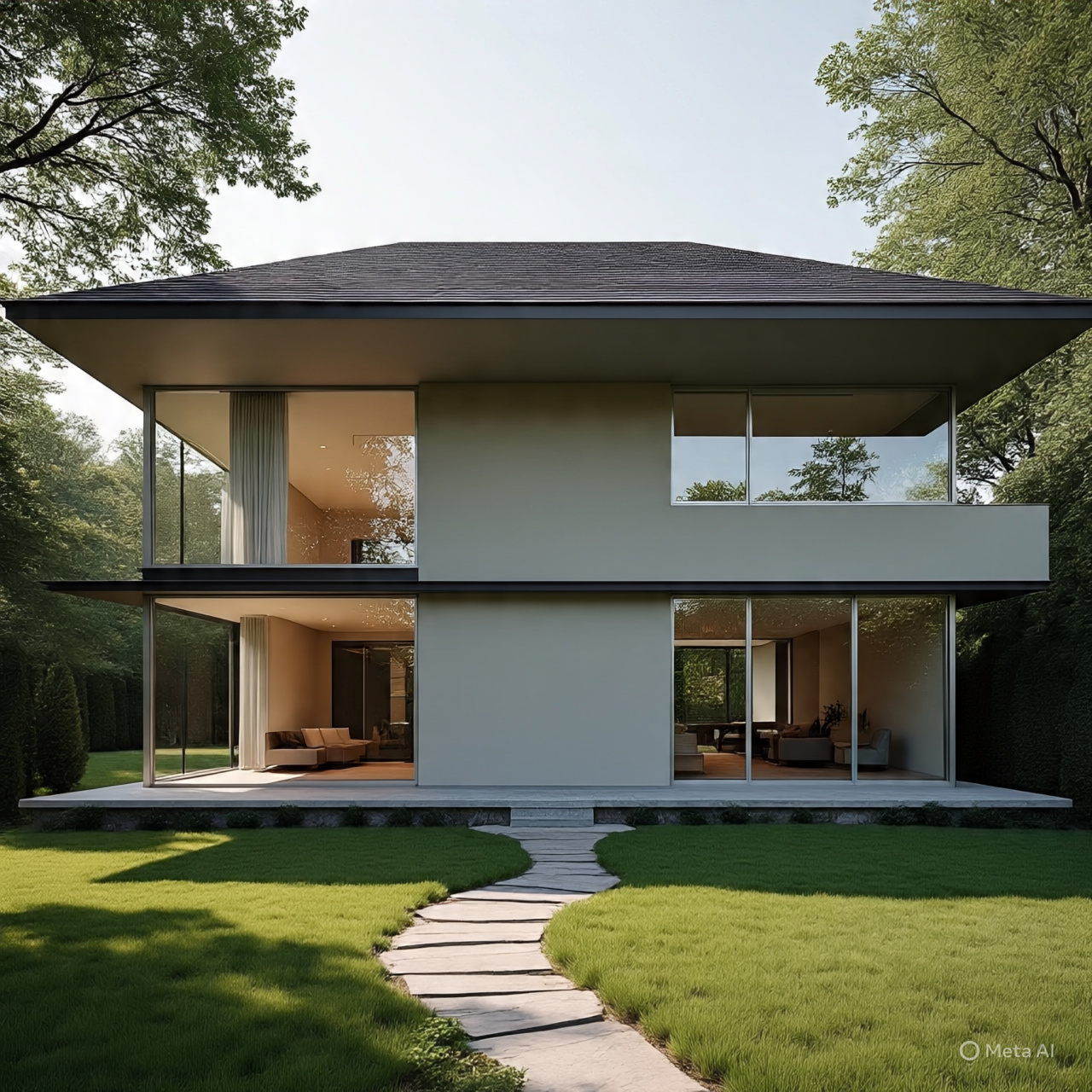
Introduction to HOME DISIGN 2026 IDEAS
The world of home design is continually evolving, and as we move into 2026, several innovative trends and ideas are emerging, including HOME DISIGN 2026 IDEAS that reflect changes in lifestyle, technology, and environmental consciousness. This article aims to explore the most captivating home design ideas for 2026, focusing on sustainability, technology, and aesthetics. By examining these trends, business owners and investors can gain valuable insights into the future of residential spaces, ensuring they remain competitive and relevant in a rapidly changing market.
Innovative Home Design Ideas for 2026: HOME DISIGN 2026 IDEAS
1. Sustainable Materials in HOME DISIGN 2026 IDEAS
One of the most significant trends in home design for 2026 is the increased emphasis on sustainable materials. As awareness of climate change and environmental issues grows, more homeowners are seeking eco-friendly options. This includes the use of materials such as reclaimed wood, bamboo, and recycled metals, which not only reduce waste but also add a unique character to each space.
Additionally, the rise of innovative building materials, like mycelium-based composites and 3D-printed components, offers exciting possibilities for sustainable construction. These materials are not only environmentally friendly but also often more affordable than traditional options, making them attractive choices for builders and investors alike.
2. Smart Home Technology
In 2026, smart home technology will take center stage in home design. The integration of Internet of Things (IoT) devices into residential spaces allows for greater control and efficiency. From smart thermostats that learn user behavior to advanced security systems that monitor home safety, technology is transforming how we interact with our living environments.
Moreover, energy-efficient appliances that connect to home automation systems can help homeowners reduce their carbon footprint while saving on energy costs. The inclusion of voice-activated assistants and smart lighting systems not only enhances convenience but also contributes to an overall more modern and sophisticated home design.
3. Multifunctional Spaces
The trend towards multifunctional spaces is becoming increasingly popular as urban living spaces shrink. In 2026, designers will focus on creating versatile areas that can serve multiple purposes. For instance, a home office can easily transform into a guest bedroom with the addition of a Murphy bed or a foldable desk.
This adaptability is essential for meeting the diverse needs of modern families. Open floor plans combined with movable partitions can create fluid spaces that accommodate various activities, from work to leisure, thus optimizing the use of square footage while enhancing comfort and functionality.
4. Biophilic Design
Biophilic design, which aims to connect occupants with nature, is gaining momentum as a significant design philosophy in 2026. This approach incorporates natural elements into home environments, fostering a sense of tranquility and well-being. Features such as living walls, indoor gardens, and large windows that provide ample natural light are becoming staples in contemporary home design.
Integrating natural elements not only enhances aesthetics but also promotes better mental health and productivity. As research continues to underscore the benefits of nature-infused spaces, homeowners will increasingly seek designs that prioritize this connection to the outdoors.
Trends in Decorations for 2026
1. Color Palettes
The color palettes in home design for 2026 are shifting towards warm, earthy tones that promote comfort and relaxation. Shades like terracotta, muted greens, and soft blues are expected to dominate interiors, reflecting a move away from the stark whites and grays of previous years.
These colors not only create a cozy atmosphere but also complement the sustainable materials trend, allowing for harmonious integration with nature-inspired designs. Accent walls and bold, contrasting hues can be used strategically to add personality and depth to various spaces.
2. Textures and Fabrics
Texture plays a crucial role in home design, adding visual interest and tactile experiences. In 2026, the use of diverse materials such as linen, wool, and jute will be prevalent, creating warmth and comfort in living spaces. Layering different textures through rugs, cushions, and throws can enhance the sensory experience in a room.
Furthermore, the interplay of soft and hard surfaces will be key in creating inviting environments. Textured walls, such as those featuring plaster or natural stone, will provide a striking backdrop for softer furnishings, balancing aesthetics with functionality.
3. Art and Accessories
Art and accessories in home design will reflect individuality and personal expression. In 2026, there will be a shift towards unique, handcrafted items that tell a story and add character to a space. This trend aligns with the growing appreciation for artisanal and local products, as homeowners seek to support small businesses and sustainable practices.
Gallery walls showcasing a mix of photography, paintings, and personal memorabilia will become a prominent feature in many homes. This approach not only personalizes a space but also creates focal points that spark conversation and inspire creativity.
4. Outdoor Living Spaces
As living spaces continue to merge indoor and outdoor environments, the design of outdoor living areas will become increasingly important in 2026. Homeowners are looking to create serene outdoor retreats that can serve as extensions of their interior spaces. Features such as outdoor kitchens, fire pits, and comfortable seating areas will be essential for entertaining and relaxation.
Additionally, landscaping that emphasizes native plants and sustainable practices will add to the overall appeal of outdoor spaces. This trend not only enhances the aesthetic value but also promotes biodiversity and environmental responsibility, making outdoor areas an integral part of modern home design.
Conclusion
As we look towards 2026, the future of home design promises to be dynamic, innovative, and reflective of a growing consciousness toward sustainability and well-being. From the use of sustainable materials and smart technologies to the embrace of multifunctional spaces and biophilic design, these emerging trends are reshaping how we envision our living environments.
For business owners and investors in the real estate market, staying ahead of these trends will be essential for success. By adopting these ideas and incorporating them into new projects, professionals can appeal to the evolving tastes and preferences of modern homeowners, ensuring their designs are both relevant and inspirational.
Final Thoughts on Home Design Ideas for 2026
In summary, the home design landscape of 2026 will be characterized by an emphasis on sustainability, technology, and a harmonious connection with nature. Understanding these trends will provide valuable insight into the preferences of future homeowners, enabling industry professionals to create spaces that resonate with their clients.
As we embrace these changes, it is essential to remain adaptable and open to new ideas, ensuring that we can meet the demands of an ever-evolving market. By considering the innovations discussed in this article, businesses can position themselves at the forefront of the home design industry in 2026 and beyond.