







Eco-Friendly Home Design
Eco-friendly home design has become more than just a trend—it’s a necessity in today’s world. As environmental awareness grows and energy costs rise, homeowners are seeking sustainable solutions that reduce their ecological footprint without compromising comfort or style. In 2025, eco-friendly home design incorporates green materials, energy-efficient systems, smart technology, and thoughtful planning to create sustainable, healthy, and visually appealing living spaces. From construction to daily living, every element contributes to environmental responsibility.
Principles of Eco-Friendly Home Design
The foundation of eco-friendly design lies in reducing energy consumption, minimizing waste, and optimizing natural resources. Key principles include energy efficiency, water conservation, use of sustainable materials, indoor air quality, and intelligent space planning. Designers aim to create homes that are not only functional but also harmonious with the natural environment. This approach ensures long-term sustainability while offering cost savings, comfort, and improved quality of life for residents.
Energy-Efficient Architecture
A core component of eco-friendly homes is energy-efficient architecture. Proper orientation, passive solar design, and insulation play a critical role in minimizing energy use. Large windows strategically placed for natural light reduce the need for artificial lighting, while shading elements like overhangs and louvers prevent heat gain in summer. Energy-efficient walls, roofs, and flooring materials maintain consistent indoor temperatures, reducing reliance on heating and cooling systems. High-performance windows, triple glazing, and reflective roofing materials further enhance energy efficiency.
Sustainable Building Materials
Eco-friendly homes prioritize sustainable materials with low environmental impact. Bamboo, reclaimed wood, recycled metal, and cork are popular choices for flooring, cabinetry, and furniture. Low-VOC paints, natural plasters, and eco-friendly adhesives improve indoor air quality while maintaining aesthetics. Recycled glass countertops, engineered wood panels, and responsibly sourced insulation materials offer durability without harming the environment. Choosing materials with long lifespans and minimal maintenance reduces waste and promotes sustainability.
Eco-Friendly Home Design
Renewable Energy Integration
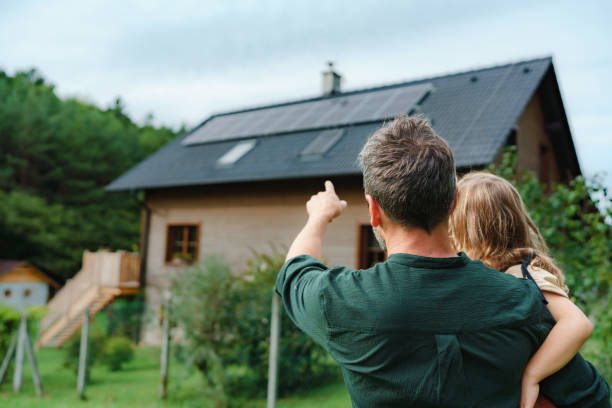
Incorporating renewable energy systems is essential for eco-friendly home design. Solar panels, solar water heaters, and small-scale wind turbines reduce dependence on nonrenewable sources. In 2025, many homeowners are pairing these systems with smart home technology to monitor energy usage in real time, ensuring optimal efficiency. Battery storage solutions allow excess energy to be saved for nighttime or cloudy days, making homes more self-sufficient and environmentally friendly.
Water Conservation Strategies
Water efficiency is another crucial aspect of sustainable home design. Low-flow faucets, dual-flush toilets, and rainwater harvesting systems reduce water consumption while maintaining convenience. Greywater recycling allows water from sinks, showers, and washing machines to be reused for irrigation or toilet flushing. Smart irrigation systems and drought-resistant landscaping help conserve water outdoors. These strategies not only benefit the environment but also reduce utility costs significantly over time.
Smart Home Technology for Sustainability
Smart home systems are transforming eco-friendly design by enabling intelligent energy and resource management. Automated lighting, thermostats, and appliances adjust usage based on occupancy and time of day. Sensors detect motion, temperature, and humidity to optimize heating, cooling, and ventilation. Smart irrigation monitors soil moisture, while energy management dashboards allow homeowners to track electricity and water consumption. Integrating technology ensures maximum efficiency while maintaining comfort and convenience. Eco-Friendly Home Design in 2025
Indoor Air Quality and Ventilation
Healthy indoor air is a key component of sustainable living. Eco-friendly homes prioritize natural ventilation, low-emission materials, and air-purifying systems. Proper airflow through windows, vents, and mechanical systems reduces the need for chemical air fresheners and improves health. Indoor plants can further enhance air quality by filtering toxins and adding natural humidity. Combining ventilation with non-toxic finishes ensures a safe and comfortable living environment.
Passive Design Principles
Passive design reduces energy needs by leveraging natural elements. Techniques include building orientation, thermal mass, natural ventilation, shading, and daylighting. For example, south-facing windows maximize winter sunlight, while overhangs block summer heat. Thick walls and insulated floors regulate indoor temperature, and strategically placed windows encourage cross-ventilation. Passive design minimizes mechanical systems, reduces energy consumption, and enhances the overall comfort and efficiency of the home.
Sustainable Landscaping
Eco-friendly homes extend sustainability to outdoor spaces. Native plants, xeriscaping, and drought-tolerant landscaping reduce water use and maintenance needs. Permeable pathways, green roofs, and rain gardens manage stormwater and prevent runoff. Landscaping can also create microclimates that reduce energy use by shading walls and windows or promoting airflow. Thoughtful outdoor design complements the sustainable practices of the home itself.
Energy-Efficient Lighting
Lighting is a major energy consumer, and eco-friendly homes focus on efficiency without sacrificing aesthetics. LED lights, solar-powered outdoor lights, and daylight harvesting strategies reduce energy consumption. Automated dimmers and motion sensors ensure lighting is used only when necessary. Incorporating natural light through skylights, clerestory windows, and glass doors enhances brightness while minimizing electricity use, creating a pleasant and energy-conscious environment.
Waste Reduction and Recycling
Sustainable home design includes strategies for waste reduction. Construction and renovation projects use recycled or repurposed materials, and efficient planning minimizes construction waste. Within the home, dedicated recycling and composting systems promote responsible waste management. Some designs incorporate hidden bins for sorting recyclables or compost, making eco-friendly practices convenient and integrated into daily life.
Thermal Comfort and Insulation
Maintaining thermal comfort efficiently is a cornerstone of eco-friendly homes. High-performance insulation in walls, roofs, and floors reduces heat loss in winter and heat gain in summer. Energy-efficient windows and doors prevent drafts, while thermal mass materials like concrete or stone absorb and release heat slowly. Proper insulation combined with passive design reduces the need for heating and cooling, lowering energy bills and environmental impact.
Green Roofs and Living Walls
Green roofs and living walls are gaining popularity as part of eco-friendly home design. They improve insulation, reduce stormwater runoff, and provide natural habitats. Green roofs can be used for gardens, outdoor living, or even urban agriculture. Living walls enhance air quality and aesthetics while acting as natural insulation. These features bring nature closer to daily life and demonstrate a commitment to environmental sustainability.
Sustainable Flooring Options
Eco-friendly flooring combines durability, low maintenance, and sustainability. Bamboo, cork, reclaimed wood, and recycled composite materials are popular for their renewable nature and low environmental impact. Non-toxic finishes ensure indoor air quality, and modular flooring solutions reduce waste during installation. Sustainable flooring offers elegance and functionality while aligning with the principles of green living.
Energy-Efficient Appliances
Modern eco-friendly kitchens, laundry rooms, and utility areas feature energy-efficient appliances. Refrigerators, ovens, dishwashers, and washing machines with high Energy Star ratings use significantly less electricity and water. Smart appliances can be scheduled to operate during off-peak hours or adjust performance automatically based on load. Investing in efficient appliances reduces operational costs and contributes to overall sustainability.
Passive Solar Water Heating
Water heating is a major energy expense, and passive solar water heating systems provide a sustainable alternative. Solar collectors on rooftops capture sunlight to heat water, reducing reliance on electricity or gas. Modern designs integrate these systems with storage tanks and circulation pumps, ensuring hot water is available when needed. Passive solar heating reduces energy bills and supports eco-friendly living practices.
Sustainable Home Interiors
Eco-friendly design extends to interiors, with low-emission paints, natural textiles, and non-toxic furniture. Using organic fabrics for upholstery, curtains, and rugs minimizes chemical exposure. Recycled or reclaimed materials for furniture and decorative items reduce environmental impact. Interior layouts that maximize natural light and airflow complement sustainable construction and improve overall comfort.
Rainwater Harvesting Systems
Rainwater harvesting is an effective strategy for water conservation in eco-friendly homes. Collected rainwater can be used for irrigation, toilet flushing, or even filtered for household use. Modern systems incorporate storage tanks, filtration units, and automated pumps, making rainwater collection efficient and convenient. This reduces dependence on municipal water supplies and promotes sustainable resource use.
Renewable Energy Storage and Management
Energy storage systems, such as home batteries, allow eco-friendly homes to store excess solar or wind energy for later use. Smart energy management systems monitor production and consumption, optimizing usage and reducing waste. Integrating renewable energy storage ensures the home is self-sufficient, resilient, and environmentally responsible, even during power outages.
Indoor-Outdoor Connection
Creating a strong connection between indoor and outdoor spaces is a hallmark of eco-friendly home design. Large sliding doors, patios, and decks allow natural ventilation and light, reducing energy demand. Outdoor living areas with sustainable materials and native landscaping extend usable space while reinforcing environmental harmony. The indoor-outdoor connection promotes healthy living, comfort, and energy efficiency.
Maintenance and Longevity
Eco-friendly homes are designed for durability and low maintenance. Choosing high-quality, sustainable materials ensures that surfaces, appliances, and structures last longer, reducing the need for replacements. Easy-to-maintain finishes, modular systems, and replaceable components reduce waste and extend the lifespan of the home. Sustainability is not only about construction but also long-term usability and efficiency.
Conclusion: Eco-Friendly Home Design
Eco-friendly home design combines aesthetics, functionality, and sustainability to create spaces that are both beautiful and responsible. By incorporating energy-efficient architecture, sustainable materials, smart technology, and thoughtful landscaping, homeowners can significantly reduce their environmental footprint. From renewable energy systems and water conservation to healthy indoor environments and durable materials, every aspect contributes to a holistic approach to sustainable living. In 2025, eco-friendly home design is more than a choice—it is a lifestyle that enhances comfort, reduces costs, and protects the planet, setting the standard for modern, conscious living.