







Minimalist Living Room Design
Minimalist living room design has become a defining trend in modern interiors, symbolizing simplicity, elegance, and clarity. In a world full of distractions, people are increasingly drawn to spaces that offer calmness and focus. The minimalist approach strips away unnecessary clutter and emphasizes functionality, balance, and harmony. A well-designed minimalist living room isn’t about having less—it’s about making every piece count. Let’s explore the key principles, design ideas, color palettes, furniture choices, and modern trends that make minimalist living rooms timeless and sophisticated.
The Essence of Minimalism in Interior Design
Minimalism goes beyond just aesthetics—it’s a lifestyle choice. It focuses on living with intention and creating environments that promote peace and mindfulness. The concept emerged in the mid-20th century, inspired by Japanese Zen philosophy and Scandinavian simplicity. In minimalist design, every object has a purpose, every line has meaning, and open space becomes a design element in itself. The goal is to achieve visual balance and emotional serenity, where the living room becomes a place to relax, reflect, and connect.
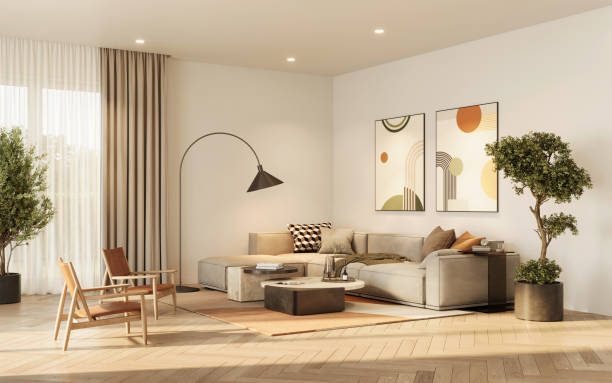
Minimalist Living Room
The Key Principles of a Minimalist Living Room
A successful minimalist living room follows a few essential principles. The first is simplicity—keep only what adds value. Avoid overcrowding with furniture or decor. The second is functionality—each item should serve a purpose, whether it’s comfort, utility, or beauty. The third is clean lines—geometric shapes, sharp edges, and uncluttered arrangements help create a sense of order. The fourth is neutral color harmony—a soothing palette enhances the calm, open feel. Finally, natural light plays a vital role, emphasizing openness and creating a peaceful mood throughout the day.
Declutter to Define Your Space
Decluttering is the foundation of any minimalist living room. Before redecorating, assess what you truly need and remove items that don’t serve a purpose. Every object, from furniture to decorative accessories, should have intention behind it. Open shelving should display only essential or meaningful pieces—books, plants, or minimalist art. The empty spaces between objects are just as important as the objects themselves. This negative space allows the eye to rest and creates an atmosphere of relaxation and mental clarity.
Choosing the Right Color Palette
Color sets the tone for your minimalist living room. In most designs, neutral tones dominate—white, beige, gray, taupe, and soft pastels create a balanced and airy environment. These shades help light reflect naturally, enhancing the sense of openness. However, subtle contrasts can add personality. A single accent color, such as charcoal, navy, or forest green, can provide depth without overwhelming the simplicity. Textures also play a crucial role—mixing matte and glossy finishes or adding soft fabrics can bring warmth and dimension to the room.
Minimalist Furniture Design
Furniture defines the character of a minimalist space. The best approach is to invest in quality over quantity. Choose sleek, functional pieces with clean lines and no excessive ornamentation. A low-profile sofa, a geometric coffee table, and a few modern chairs can make a strong impact without cluttering the space. Furniture should have purpose and proportion—avoid oversized items that overpower the room. Built-in storage solutions are a great way to keep the living room tidy while maintaining a seamless, open feel.
Open Layout and Space Flow
Minimalist living rooms often benefit from open layouts. If possible, remove unnecessary partitions or bulky furniture that breaks the visual flow. The room should feel connected, allowing air and light to move freely. Arrange furniture to encourage conversation and movement—typically around a central focal point like a coffee table, window view, or minimalist art piece. Symmetry and balance are important. Even small living rooms can feel spacious when designed with an uncluttered, continuous layout that invites relaxation.
Lighting in Minimalist Interiors
Lighting enhances mood, depth, and comfort in minimalist spaces. Natural light is ideal—large windows, sheer curtains, or blinds that allow sunlight to filter in help maintain a bright, serene environment. For artificial lighting, opt for recessed lights, wall sconces, or sleek pendant fixtures that blend with the overall theme. Soft, warm LED lighting creates a soothing ambiance. Layer your lighting—combine general, accent, and task lighting for functionality. Avoid overly ornate chandeliers or bright neon hues, as they can disrupt the minimalist aesthetic.
Natural Materials and Textures
One of the best ways to add warmth to a minimalist living room is through natural materials. Wood, stone, linen, cotton, and rattan bring tactile comfort and subtle contrast to the simplicity of the space. A wooden coffee table or sideboard adds organic charm, while a jute rug or linen curtains soften the overall look. You can mix smooth surfaces like polished concrete with cozy textures like wool throws or soft cushions. This combination of raw and refined creates a balanced, inviting atmosphere that feels authentic.
Art and Decorative Accents
In minimalist design, decoration is used sparingly but meaningfully. A single piece of statement art, an abstract painting, or a black-and-white photograph can become a focal point without overwhelming the room. Keep frames simple and neutral. Sculptural decor—like a ceramic vase, metal sculpture, or minimalist wall clock—adds character while maintaining cohesion. Plants are also an excellent addition; a few carefully placed indoor plants, such as a fiddle-leaf fig or a peace lily, bring a sense of freshness and life without clutter.
Incorporating Technology Seamlessly
Modern minimalist living rooms often integrate technology subtly. Flat-screen TVs can be mounted flush to the wall or disguised within cabinetry. Smart home systems allow lighting, sound, and temperature control without visible switches or devices. Wireless speakers, hidden charging docks, and concealed cable systems maintain a clean visual flow. The goal is to enjoy modern convenience while preserving simplicity and order. Smart lighting and automated blinds can even enhance the minimalist aesthetic by adapting seamlessly to your lifestyle.
Minimalist Living Room Layout Ideas
The layout determines how a space feels. For small apartments, a floating furniture layout—with pieces pulled slightly away from walls—creates a sense of openness. For larger spaces, you can use zoning techniques to define areas for lounging, reading, or entertaining while keeping the overall aesthetic unified. Centralized furniture arrangements help maintain focus, while asymmetry adds a modern edge. The key is to maintain balance—each element should complement the others without visual tension.
Scandinavian Minimalism
Scandinavian minimalism is a leading influence in modern living room design. It combines simplicity with comfort, using neutral colors, natural wood, and soft textiles. The Scandinavian approach emphasizes “hygge”, a Danish concept of coziness and well-being. Light wood furniture, plush rugs, and subtle decor create warmth while maintaining the uncluttered look. This style is ideal for those who want a minimalist home that feels welcoming and livable rather than stark or cold.
Japanese Minimalism and Zen Design
Japanese minimalism focuses on balance, nature, and tranquility. Inspired by Zen principles, it embraces asymmetry and imperfection, creating a calm environment that promotes mindfulness. In living rooms, this translates to low furniture, tatami mats, neutral colors, and organic materials. Shoji screens, sliding doors, and natural light filters enhance harmony between interior and exterior spaces. Japanese minimalism is ideal for homeowners seeking serenity and deeper connection with nature through interior design.
Modern Industrial Minimalism
Industrial minimalism brings a raw, urban edge to the minimalist concept. Exposed brick walls, concrete floors, and metal accents contrast with soft furnishings and clean lines. This style is perfect for lofts or apartments with open spaces. The key is balance—maintaining simplicity while incorporating rugged textures. A neutral color palette, large windows, and open shelving keep the room visually light while emphasizing architectural elements. Industrial minimalism is ideal for those who appreciate modern, edgy aesthetics.
Minimalist Color and Texture Combinations
A minimalist living room doesn’t have to be monochrome. In 2025, designers are experimenting with subtle textures and tone-on-tone contrasts. Layering different shades of white, gray, and beige adds visual interest. A matte white wall paired with a textured rug or a wooden accent panel creates depth without disrupting harmony. Metallic accents like brushed gold or black steel can add sophistication when used sparingly. Textural contrasts make minimalist spaces feel warm and dynamic rather than sterile.
The Role of Greenery in Minimalist Living Rooms
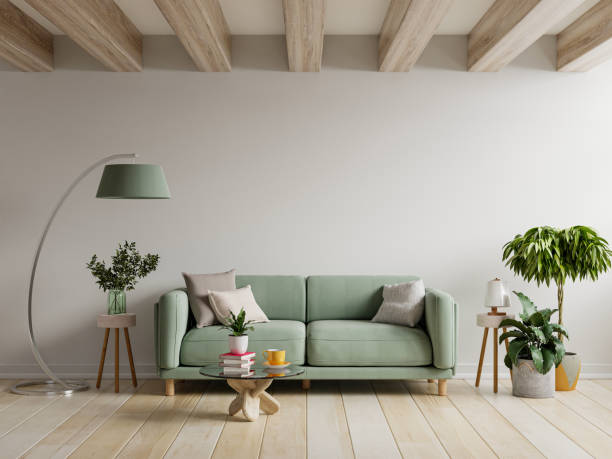
Adding greenery is one of the simplest ways to bring life into a minimalist space. Plants improve air quality and add natural vibrancy. Choose low-maintenance indoor plants that complement your design style—succulents, snake plants, and rubber trees are perfect choices. Keep planters simple and consistent in color or material. One or two statement plants can serve as natural decor pieces, softening the structured look of a minimalist living room while maintaining the sense of calm.
Balancing Comfort and Aesthetics
While minimalism values simplicity, comfort should never be sacrificed. Soft furnishings like cushions, throws, and area rugs create warmth and invite relaxation. Opt for high-quality fabrics with subtle textures. Sofas should be both stylish and cozy—clean-lined designs upholstered in neutral tones work best. Incorporate elements like dimmable lighting or layered curtains to adjust the ambiance throughout the day. A minimalist living room should feel like a sanctuary—a place where style and comfort coexist in harmony.
Small Living Rooms and Minimalism
Minimalist design is particularly effective in small spaces. With strategic planning, a small living room can appear larger and more functional. Multi-purpose furniture—like ottomans with storage or wall-mounted shelves—helps save space. Using light colors and mirrors enhances brightness and depth. Avoid cluttering walls with excessive art or shelving. Instead, focus on open floor space and vertical design elements. A few well-chosen pieces can make a small living room feel spacious, elegant, and perfectly balanced.
The Psychology of Minimalist Design
Minimalism affects the mind as much as the eye. Studies show that cluttered environments can increase stress, while clean, organized spaces promote calmness and focus. A minimalist living room encourages mindfulness and mental clarity. The simplicity of form and color helps reduce visual noise, creating an environment conducive to relaxation and creativity. In a fast-paced world, this type of design provides mental relief and a sense of order—a quiet refuge from daily chaos.
Conclusion
Minimalist living room design is more than a trend—it’s a philosophy that celebrates simplicity, beauty, and purpose. By focusing on what truly matters, you can create a space that feels timeless, peaceful, and functional. Whether inspired by Scandinavian warmth, Japanese serenity, or modern industrial style, minimalism invites you to live with intention. Every item, color, and material contributes to balance and harmony. In 2025, minimalist living rooms continue to stand as symbols of calm living, mindful design, and effortless elegance—a true reflection of the modern desire for simplicity in an increasingly complex world.