








Smart Home Interior Trends 2025
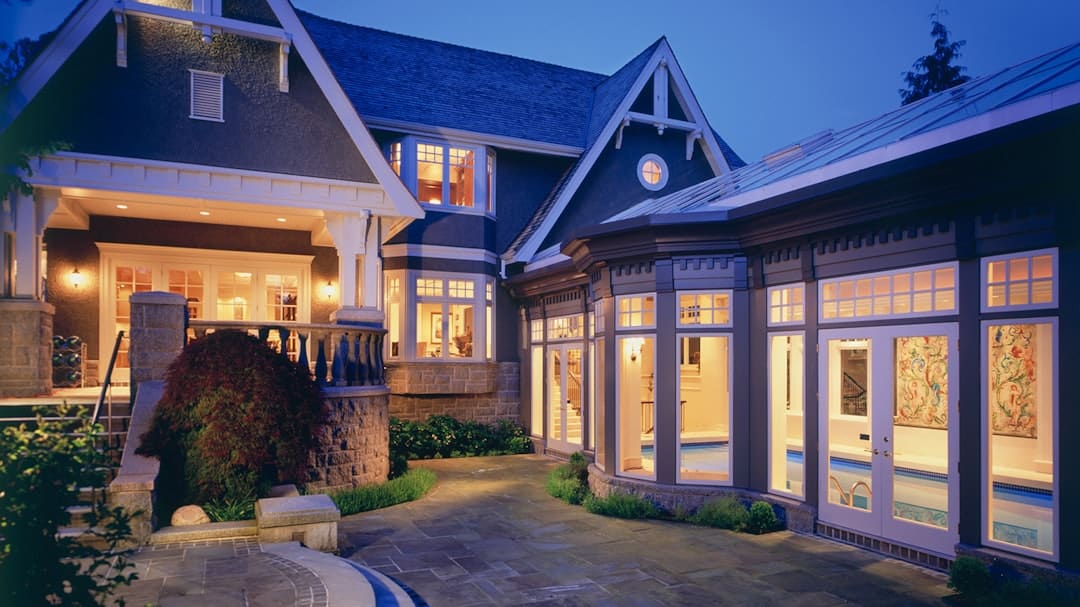
As we step into 2025, the concept of home is evolving faster than ever. Homes are no longer just physical spaces; they have become intelligent ecosystems designed for comfort, efficiency, and sustainability. The integration of technology, automation, and design has redefined how we live, work, and interact within our personal spaces. From AI-powered lighting to sustainable materials and minimalist aesthetics, 2025 is setting a new standard for modern living. Let’s explore the most significant
Smart Home Interiortrends that are shaping the future of interior design this year.
1. AI-Powered Smart Living Spaces
Artificial Intelligence (AI) has become the brain behind modern homes. In 2025, AI systems are not only controlling lighting, temperature, and security but also learning homeowner preferences to create personalized environments. For example, smart assistants like Alexa or Google Home now use predictive algorithms to adjust lighting based on your mood, play your favorite playlist when you enter a room, or suggest energy-saving routines based on your daily schedule. Smart mirrors equipped with AI are also trending—offering fitness guidance, skin analysis, and even fashion recommendations while syncing with health-tracking devices.
2. Energy Efficiency and Sustainable Automation
Sustainability remains at the heart of home innovation in 2025. With growing environmental awareness, smart homes are being designed to reduce energy consumption without compromising comfort. Solar-powered systems, automated thermostats, and smart water management tools are becoming essential features. Advanced home energy monitors help residents track electricity usage in real time and make eco-friendly adjustments automatically. Many interior designers are blending natural materials such as bamboo, cork, and recycled glass with smart automation to create spaces that are both intelligent and environmentally responsible.
3. Voice-Activated and Gesture-Controlled Interiors
Voice control has evolved far beyond simple commands. In 2025, voice and gesture recognition systems are enabling seamless interaction between residents and their surroundings. You can open curtains, dim lights, or start your coffee machine with just a gesture or spoken phrase. Designers are integrating these technologies subtly into the architecture itself—hidden sensors behind walls or furniture detect movement, making the smart home experience both functional and futuristic. The goal is to achieve an intuitive environment where technology complements lifestyle rather than dominating it.
4. Smart Furniture and Modular Design
Smart furniture has become one of the most exciting innovations in home interiors. In 2025, furniture isn’t just stylish—it’s intelligent. Think of sofas with built-in wireless chargers, beds that monitor sleep quality, or coffee tables that double as touch-screen control hubs. The rise of compact living spaces has also encouraged the popularity of modular and multifunctional furniture. Foldable walls, transformable storage systems, and adjustable lighting units are enabling homeowners to optimize small spaces without sacrificing comfort or aesthetics. The combination of flexibility and intelligence is defining a new era of “adaptive interiors.”
5. The Rise of Digital Art and Virtual Decor
Digital art and augmented reality (AR) are revolutionizing interior design. In 2025, homeowners can personalize their spaces using digital wall art that changes based on mood or time of day. Smart frames and AR projectors can display virtual paintings, calming landscapes, or animated visuals on walls. This not only reduces the need for physical decor but also allows for endless customization. Some homeowners are even incorporating NFTs (non-fungible tokens) as exclusive digital artwork, transforming their living rooms into tech-driven art galleries.
6. Biophilic Design Meets Smart Technology
Biophilic design—an approach that connects humans with nature—is merging beautifully with smart technology in 2025. Automated indoor gardens, smart irrigation systems, and air-purifying plants integrated with sensors are becoming mainstream. These systems adjust light, humidity, and nutrients to maintain plant health automatically. Natural textures, organic lighting, and eco-smart materials are being paired with advanced home tech to create spaces that promote relaxation, creativity, and overall well-being. The future of smart interiors is not just digital but deeply human and nature-inspired.
7. Immersive Lighting Systems
Lighting has taken a major leap forward with AI integration and sensor-based control. Modern homes now feature adaptive lighting systems that respond to activity, emotion, and time of day. For instance, ambient lighting may shift from cool tones in the morning to warmer hues at night, aligning with your circadian rhythm. In 2025, lighting design focuses heavily on mood enhancement and energy efficiency. Smart LED panels, customizable light strips, and voice-synced lighting have turned ordinary rooms into dynamic, interactive spaces that elevate comfort and productivity.
8. Minimalist Smart Homes
Minimalism continues to dominate in 2025, but with a technological twist. Homeowners are embracing “invisible technology,” where smart devices are subtly integrated into walls, ceilings, and furniture. Hidden wiring, flush-mounted screens, and built-in control hubs make homes appear clean, spacious, and clutter-free. Designers emphasize open spaces, neutral palettes, and functional layouts—proving that technology doesn’t need to be flashy to be effective. This minimal-tech aesthetic aligns perfectly with the growing trend of mindful living, where simplicity meets sophistication. Smart Home Interior Trends 2025
9. Smart Kitchens: The Heart of Innovation
The kitchen has become the true heart of smart living. In 2025, intelligent kitchen appliances can suggest recipes based on available ingredients, track expiration dates, and even cook meals automatically. Voice-controlled ovens, AI-powered refrigerators, and robotic kitchen assistants are saving both time and energy. Touchless faucets, smart lighting, and temperature sensors ensure hygiene and convenience. The integration of sustainability is also notable, with composting devices and food waste management systems built directly into modern kitchen designs.
10. Home Wellness and Health Monitoring
Health and wellness have become essential components of modern interior design. In 2025, smart homes are prioritizing physical and mental well-being through integrated health systems. Smart air purifiers track indoor air quality, while temperature and humidity controls maintain optimal living conditions. Home gyms now feature connected fitness equipment that syncs with wearable devices for real-time performance tracking. Even bathrooms are getting an upgrade with AI mirrors that analyze skin health and smart scales that monitor body composition. Wellness is now built directly into the architecture of daily life.
11. Security and Privacy Innovations
As technology advances, so do privacy and security concerns. In 2025, smart home security systems are using facial recognition, biometric access, and AI-powered surveillance to ensure safety. However, new design philosophies emphasize discreet and aesthetic security solutions—hidden cameras, automated locks, and encrypted smart networks. Homeowners are also becoming more conscious of digital privacy, choosing devices that guarantee data protection and transparency. Security is no longer just about protection—it’s about peace of mind integrated seamlessly into interior design. Smart Home Interior Trends 2025.
12. Smart Home Integration and Ecosystem Harmony
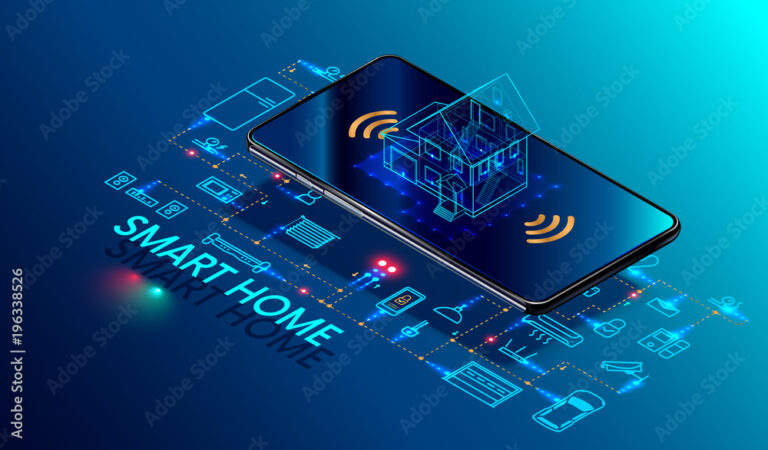
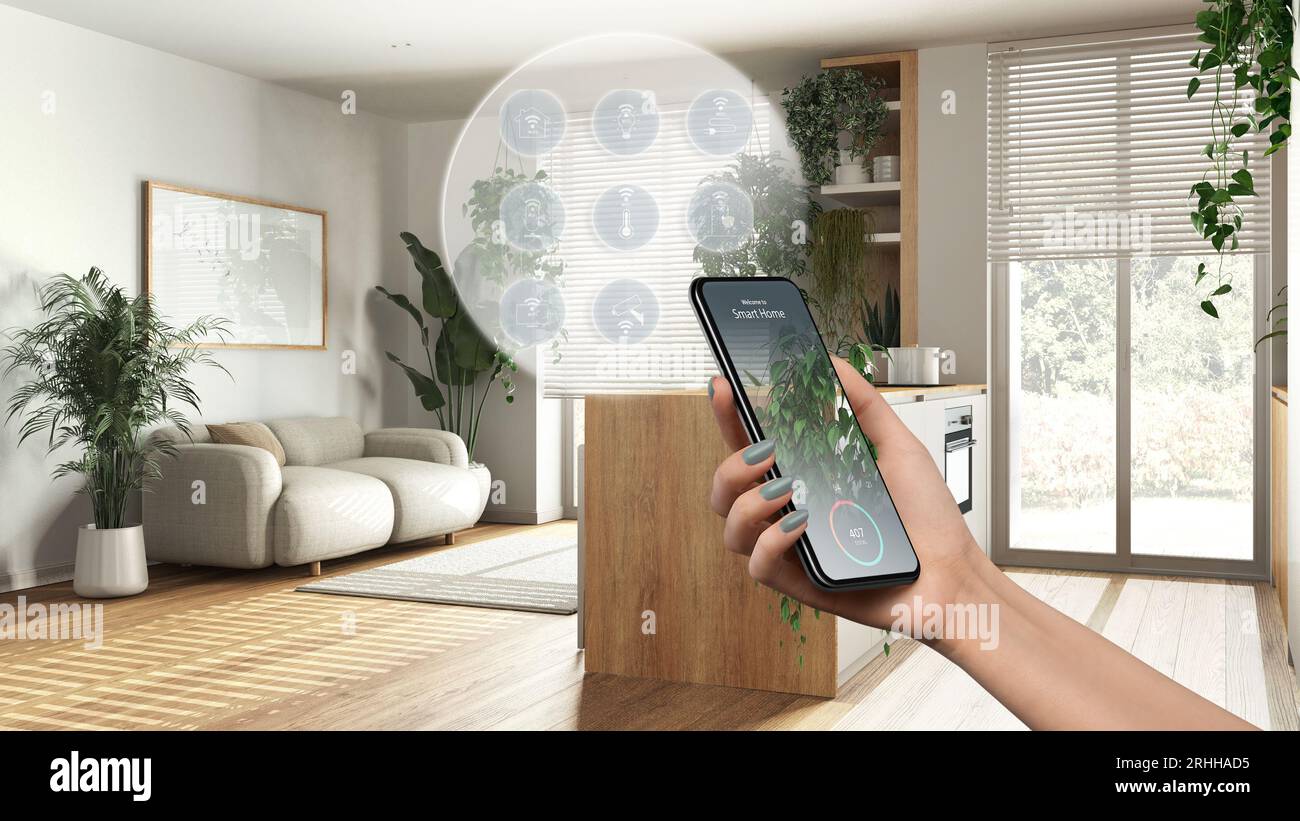
A major trend in 2025 is full ecosystem integration. Instead of multiple standalone smart devices, homeowners now prefer unified systems where everything works together. Platforms like Apple HomeKit, Google Home, and Amazon Alexa have become more cohesive, enabling lighting, entertainment, climate, and appliances to operate through a single interface. Designers are focusing on “tech harmony”—ensuring that smart devices blend into the home aesthetically and functionally. The result is a smooth, interconnected living experience that feels effortless and organic.
13. Personalized Digital Ambiance
Customization is key in 2025’s smart homes. Through AI and IoT (Internet of Things), homeowners can design personalized experiences that adapt in real-time. Imagine a “Morning Mode” that opens blinds, plays your favorite news podcast, and brews coffee automatically, or a “Relax Mode” that dims lights, plays ambient music, and diffuses calming scents. These pre-set ambiance modes are redefining comfort by tailoring the environment to emotions, activities, and even biometric feedback from wearable devices.
14. Home Offices with Smart Productivity Tools
The remote work culture continues, and 2025 has seen the rise of highly efficient smart home offices. From ergonomic AI desks that adjust height automatically to lighting that adapts for focus, productivity is now tech-enhanced. Noise-canceling smart windows, real-time posture correction chairs, and digital whiteboards make workspaces both functional and inspiring. The line between home and office is blurring, but smart design ensures balance through intuitive setups that promote both productivity and relaxation.
15. The Future of Smart Interiors: Beyond Convenience
The ultimate vision for smart home interiors in 2025 goes beyond convenience—it’s about creating emotional intelligence within living spaces. Homes are designed to understand, predict, and enhance human experience. Technology is becoming more empathetic, capable of responding to mood changes or stress levels through subtle environmental adjustments. The combination of automation, aesthetics, and personalization is transforming houses into living companions—spaces that think, adapt, and evolve alongside their owners.
Conclusion: Smart Home Interior
The future of smart home interior design in 2025 is all about harmony—between technology and nature, automation and aesthetics, efficiency and empathy. Homes are becoming more adaptive, responsive, and emotionally aware. Whether it’s sustainable materials, AI-driven personalization, or immersive digital art, the trends of 2025 redefine what it means to live smart. This new generation of interior design isn’t just about gadgets—it’s about creating homes that understand and nurture the people who live in them.