







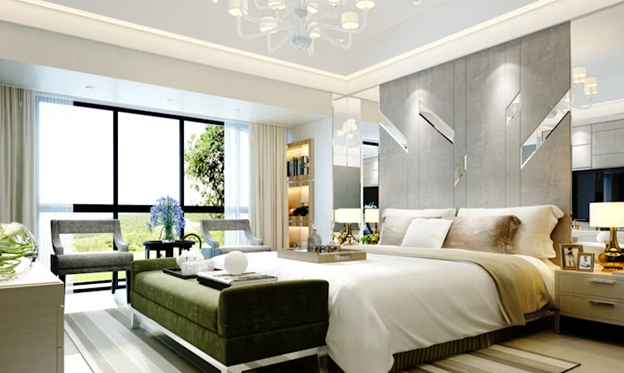
Texture is a essential yet regularly underappreciated detail in modern domestic design. It provides intensity, man or woman, and sensory hobby to interiors, transforming flat, uniform spaces into dynamic and engaging environments. at the same time as shade and lights regularly receive the most attention, texture performs an similarly critical position in shaping the feel, functionality, and visible enchantment of a home. Incorporating texture thoughtfully can create concord, evaluation, and a feel of balance, making present day interiors both stylish and secure.
present day layout regularly emphasizes smooth strains, minimalism, and open spaces, that could from time to time result in interiors that sense stark or impersonal. Texture counters this capacity flatness by introducing tactility and heat. through layering substances with one-of-a-kind surfaces, designers create visual interest and a multi-sensory experience, enticing both sight and touch. Textural version allows outline spaces, highlight architectural features, and provide comparison towards easy surfaces, making sure interiors feel curated and alluring in place of bloodless or sterile.
Layering substances for visual and Tactile hobby
A core principle of texture in current home layout is layering. Combining one-of-a-kind materials—timber, stone, metallic, glass, textiles, and ceramics—creates a wealthy interplay that provides intensity and complexity. for instance, a residing room with a easy leather-based sofa, a handwoven wool rug, timber side tables, and a stone accent wall achieves a balance among sleekness and warmth. each fabric contributes a awesome tactile and visible exceptional, making the space experience greater dynamic and attractive.
Textiles play a specially flexible position in layering. Cushions, throws, curtains, and rugs offer softness and comfort while introducing sample and texture. present day interiors enjoy the interaction of easy, tough, matte, and sleek surfaces. a polished concrete ground paired with an opulent region rug or a graceful leather chair contrasted in opposition to a textured wall treatment demonstrates how layering textures complements each aesthetics and comfort. considerate combos prevent monotony and create visual rhythm, making the house sense harmonious and nicely-designed.
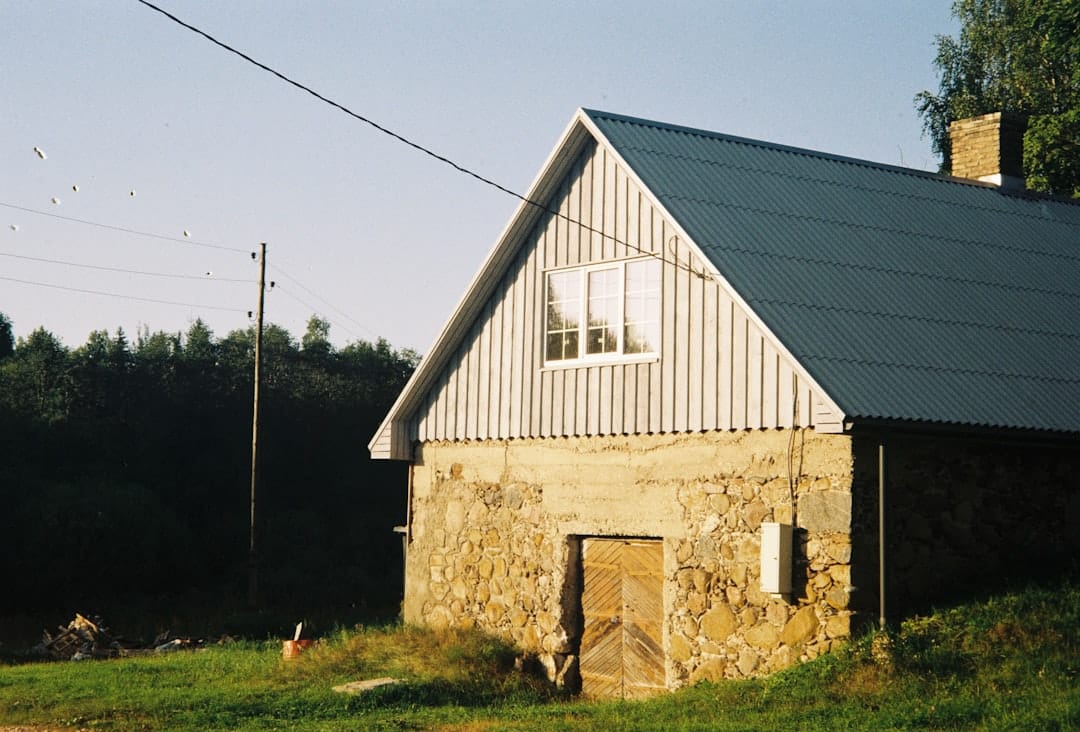
materials with natural imperfections, such as reclaimed wooden, handmade ceramics, or difficult-hewn stone, contribute character and authenticity. those tactile details evoke warm temperature and individuality, imparting a human touch to fashionable areas that would in any other case appear overly clinical. Incorporating natural textures not simplest enhances visual attraction however additionally establishes a sensory connection to the environment, fostering a feel of comfort and nicely-being.
using Texture to define areas and upload size
Texture also can function as a spatial tool, helping to define zones, create focal factors, and spotlight architectural capabilities. In open-idea homes, textural differences delineate functional areas without the want for partitions or walls. as an example, a kitchen island with a smooth stone countertop set towards a textured backsplash distinguishes the cooking area from adjoining eating or residing areas. similarly, textured rugs or layered floors can subtly demarcate dwelling and seating zones inside a larger room.
accent walls are every other powerful manner to include texture. materials like brick, wooden paneling, textured plaster, or 3-d wall tiles create visual interest and function verbal exchange portions. by strategically making use of texture to a particular wall or surface, designers draw interest to architectural features even as including depth and measurement. Textural contrasts among partitions, furnishings, and decorative factors prevent interiors from feeling one-dimensional, enhancing the general experience of design brotherly love and class.
lights interacts with texture in critical approaches, influencing notion and atmosphere. Textured surfaces capture and replicate mild differently than smooth surfaces, generating shadows, highlights, and subtle visible variations. Directional lighting fixtures, along with spotlights or wall washers, emphasizes texture, improving its visible effect. Layered lighting fixtures, combining ambient, task, and accessory resources, guarantees that textures are highlighted accurately, growing dynamic, visually stimulating spaces.
Balancing Texture with cutting-edge Minimalism
modern-day layout frequently prioritizes minimalism, easy traces, and uncluttered areas, that can assignment using texture. but, texture is a key device for preventing minimal interiors from feeling cold or impersonal. with the aid of selectively incorporating tactile and visible elements, owners can keep simplicity whilst adding warmth and interest.
The balance lies in restraint and intentionality. in preference to overloading a space with a couple of textures, focus on a few nicely-selected elements that complement every other. as an instance, a smooth, minimalist couch paired with a textured rug and some accessory cushions can reap a sophisticated layered impact with out overwhelming the room. further, combining a sophisticated steel fixture with a timber accent or a concrete surface with a woven textile keeps modern sensibilities while introducing depth and character.
Patterned textures, along with geometric tiles or textured fabric, can decorate modern-day aesthetics even as adding size. diffused versions, along with matte versus glossy finishes or coarse versus easy surfaces, create visible interest with out disrupting the minimalist framework. This method guarantees that textures contribute to the general layout narrative, assisting the clean, cohesive appearance function of modern-day interiors.
Personalization and Sensory experience
Texture also plays a essential position in personalizing a domestic and enhancing the sensory enjoy of living spaces. Tactile surfaces encourage interaction and engagement, making interiors experience welcoming and lived-in. hand made objects, layered textiles, and natural substances add individuality and a human touch, reflecting the character and way of life of the occupants.
Incorporating texture also can impact comfort and functionality. smooth textiles offer warmth and cushioning, herbal fibers alter temperature and moisture, and textured surfaces save you slips and beautify usability in certain regions. beyond aesthetics, texture helps a holistic living enjoy, mixing visual attraction with tactile pride and practical blessings.
in the end, the role of texture in modern-day domestic design is multifaceted. It complements visual depth, creates contrast, defines spaces, and enriches sensory engagement. through layering materials, balancing tactile and visible elements, and thoughtfully integrating texture with minimalist principles, house owners can transform flat interiors into dynamic, inviting, and personalised spaces. Texture ensures that current homes aren’t simplest fashionable however additionally cozy, useful, and full of character.
A domestic that consists of texture thoughtfully achieves an ideal balance among aesthetics and livability. From smooth, smooth surfaces to hard, herbal factors, each preference contributes to a cohesive layout narrative, improving both beauty and luxury. by way of understanding the standards of texture and making use of them strategically, owners can create interiors which are visually captivating, sensory-wealthy, and surprisingly cutting-edge, raising the general enjoy of dwelling of their areas.