







Sustainable living has grow to be greater than a trend—it’s far a conscious way of life desire that mixes environmental obligation with considerate domestic design. eco-friendly homes prioritize performance, lessen waste, and use materials that limit environmental impact. however growing a sustainable domestic doesn’t mean compromising on consolation or fashion. on the opposite, eco-friendly layout encourages innovation, beauty, and functionality. From energy-green structures to cautiously chosen materials, every detail of the home can make contributions to a greener life-style whilst enhancing the high-quality of existence for its occupants.
Sustainable home design specializes in balance—between people and the surroundings, among comfort and conservation. It begins with intentional planning and extends to the choice of sources, technology, and indoors design factors. A nicely-finished green domestic isn’t most effective healthier and extra energy-green however additionally more inviting, adaptable, and visually appealing. It promotes nicely-being, reduces application fees, and fosters a connection to nature that traditional design often overlooks.
Integrating energy performance into home layout
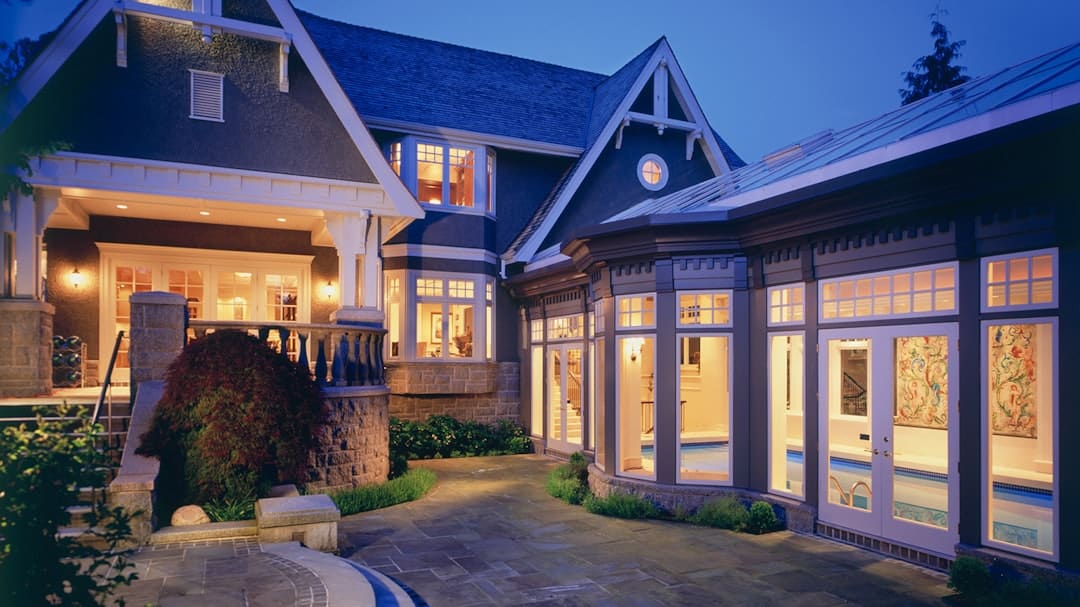
electricity performance is on the middle of sustainable dwelling. decreasing strength consumption lowers carbon footprints and creates lengthy-term financial savings. A key strategy is to optimize herbal light and air flow. big windows, skylights, and open layouts allow daylight hours to light up the house, decreasing the need for synthetic lighting. properly positioned windows also facilitate move-ventilation, preserving indoor temperatures comfortable without immoderate reliance on heating or cooling systems.
investing in strength-efficient home equipment and lighting fixtures is some other critical factor. LED bulbs, electricity star-rated appliances, and smart thermostats significantly lower power utilization. sun panels are an increasing number of famous in eco-conscious houses, presenting renewable energy even as reducing dependency on fossil fuels. For owners with confined budgets, combining electricity-saving behavior with small investments—like programmable thermostats or strength-efficient water warmers—will have a tremendous impact.
Insulation and high-performance windows also play a important position in energy performance. nicely insulated walls, roofs, and floors maintain strong indoor temperatures, decreasing the call for for heating and cooling. Double- or triple-glazed home windows save you heat loss in winter and maintain interiors cooler in summer time. deciding on strength-efficient systems guarantees that the home consumes minimal power even as maximizing consolation.
using Sustainable and occasional-impact materials
material preference is a essential component of green domestic design. Sustainable substances are renewable, long lasting, and produced with minimum environmental impact. timber sourced from responsibly managed forests, bamboo, cork, and reclaimed materials are top notch alternatives. these no longer most effective reduce resource depletion but also upload natural warm temperature and texture to interiors. Recycled or upcycled furniture, flooring, and décor portions similarly reduce waste while giving the house a completely unique character.
Low-VOC (volatile natural compounds) paints and finishes improve indoor air quality, making the home healthier for occupants. herbal fabric consisting of organic cotton, linen, or wool offer breathable, non-poisonous options for upholstery, curtains, and bedding. In kitchens and lavatories, choosing recycled glass countertops, sustainably sourced tiles, and water-green furnishings reduces environmental impact without sacrificing aesthetics.
Sustainable design also considers durability. materials that age gracefully and require minimal substitute or upkeep make contributions to lengthy-time period sustainability. making an investment in extremely good floors, cabinetry, and furniture reduces waste and guarantees that your property remains functional and fashionable for years. the usage of domestically sourced materials on every occasion viable minimizes transportation emissions and supports the neighborhood economic system, similarly reinforcing green concepts.
Water Conservation and Waste reduction
Water is a critical useful resource, and an eco-friendly home ought to prioritize its efficient use. Low-waft taps, showerheads, and dual-flush lavatories reduce consumption without affecting functionality. Rainwater harvesting structures permit homeowners to acquire and reuse water for irrigation, flushing bathrooms, or even family cleansing. Greywater recycling structures can further beautify water performance via reusing lightly used water from sinks or showers for landscaping functions.
smart landscaping practices also help sustainable residing. Drought-resistant plant life, local plant life, and permeable surfaces reduce water utilization even as maintaining outside beauty. Mulching and drip irrigation structures maximize soil moisture and reduce waste. Landscaping also can be designed to improve energy efficiency by shading the house in summer season and allowing sunlight in winter, reducing reliance on mechanical heating and cooling.
Waste management is equally vital. Integrating recycling and composting systems into the home guarantees that organic and recyclable substances are diverted from landfills. Designing kitchens with integrated packing containers for sorting waste encourages sustainable behavior. moreover, selecting modular furniture or fixtures that can be repaired or repurposed extends the life of family gadgets, minimizing disposal and lowering environmental impact.
Designing for longevity and properly-Being
Sustainable home layout is going beyond power and substances; it prioritizes the properly-being of occupants. A healthful, green home considers air excellent, herbal mild, acoustics, and luxury. proper ventilation systems, air-purifying vegetation, and non-poisonous finishes make certain cleaner air indoors, decreasing allergens and irritants. access to natural light supports circadian rhythms, improves temper, and enhances productivity, while considerate layouts sell drift and decrease pressure.
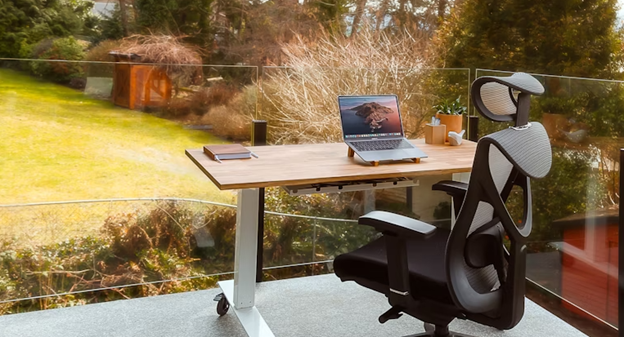
Incorporating outdoor residing areas additionally strengthens the connection to nature, a center principle of sustainable design. Gardens, patios, and balconies provide spaces for relaxation and social interaction whilst promoting biodiversity. Indoor-outdoor integration encourages herbal air flow, daylighting, and a sense of openness that complements universal well-being.
Flexibility is every other hallmark of sustainable homes. Modular fixtures, adaptable layouts, and multipurpose spaces make certain that the home can evolve with converting needs. this adaptability extends the practical lifestyles of the belongings, reducing the want for frequent renovations or expansions that consume additional resources.
Sustainable layout isn’t only realistic but also aesthetically enriching. natural substances, organic textures, and harmonious colour palettes create visually appealing interiors that sense comfortable and grounded. Combining strength efficiency, water conservation, and eco-aware material selections with considerate interior layout produces a domestic this is both accountable and provoking.
ultimately, growing an green domestic is about intentional residing. each layout decision—from lights and insulation to substances and landscaping—contributes to a healthier planet and a more pleasing lifestyle. by using prioritizing sustainability, you can reduce your environmental effect, decrease utility costs, and craft a dwelling area this is both purposeful and delightful. green design empowers house owners to live consciously, embrace herbal splendor, and create spaces that nurture both the surroundings and the folks who inhabit it.