







Designing a home is more than arranging furniture or choosing a color scheme—it’s about crafting a personal sanctuary that reflects personality, supports well-being, and adapts to the rhythms of modern life.
Designing Homes and Decorations: Where Function Meets Art is a guiding principle for creating personal sanctuaries.
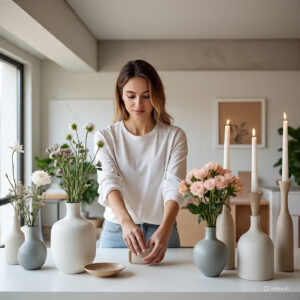
The Heart of Home Design: A Personal Narrative
Designing Homes and Decorations: Where Function Meets Art
This philosophy emphasizes the balance of beauty and usability, ensuring that our living spaces are both aesthetically pleasing and functional.
By adhering to the philosophy of Designing Homes and Decorations: Where Function Meets Art, we ensure our environments are both beautiful and practical.
In this article, we’ll explore essential tips on Designing Homes and Decorations: Where Function Meets Art, creating spaces that embody both style and practicality.
Join us as we delve deeper into Designing Homes and Decorations: Where Function Meets Art and discover how it shapes our living spaces.
The Heart of Home Design: A Personal Narrative
Every home tells a story. A well-designed space doesn’t merely showcase trends; it reflects
the people who inhabit it—their tastes, experiences, and aspirations.
The first step in designing a home is understanding its purpose. A young couple’s apartment
might prioritize multifunctional spaces and a modern, minimalist vibe, while a family home
may lean toward warmth, comfort, and durability. The key is to create a cohesive design
narrative that connects rooms and ties together colors, materials, and styles.
“Your home should be a canvas for your life,” says interior stylist Camille Russo. “When you
walk in, it should feel unmistakably yours.”
Balancing Functionality and Aesthetics
One of the greatest challenges in home design is finding harmony between beauty and
usability. A room that looks stunning in a magazine photo shoot might not hold up in daily
life. This is why successful designers think practically:
● Layout is king: Furniture placement should enhance movement and comfort while
optimizing space.
● Lighting shapes mood: Natural light opens up spaces, while ambient and task
lighting create warmth and depth.
● Color as a storyteller: Neutrals often create calm, while bold colors and accent
walls can inject personality.
● Texture brings life: Combining wood, fabric, metal, and stone adds richness and
sensory appeal.
A beautiful space must also serve its occupants, supporting their lifestyle with thoughtful
storage, durable finishes, and intuitive flow.
Decorating for Timelessness vs. Trends
Trends in home décor are cyclical—what’s “in” today might be passé tomorrow. Designers
often advise investing in timeless foundations, like high-quality flooring, neutral walls, and
classic furniture silhouettes, while using décor pieces (pillows, rugs, art) to experiment with
seasonal styles.
Some notable trends influencing modern homes include:
● Biophilic Design: Incorporating natural elements like indoor plants, raw wood, and
stone to enhance well-being.
● Japandi Aesthetics: A fusion of Japanese minimalism and Scandinavian warmth.
● Maximalism’s Comeback: Rich patterns, vibrant colors, and eclectic collections that
celebrate individuality.
● Smart Integration: Voice-controlled lighting, automated blinds, and energy-efficient
appliances that marry convenience with sustainability.
The Role of Sustainability in Modern Design
Sustainability is no longer just a buzzword—it’s a core principle of responsible design. From
recycled wood flooring to energy-efficient windows, homeowners are making eco-conscious
choices that reduce environmental impact and lower utility costs.
Decorative decisions also play a role. For example, choosing handmade ceramics over
mass-produced plastic, or selecting durable, long-lasting materials instead of trendy
disposables, aligns style with ethics.
“A sustainable home isn’t just good for the planet,” notes architect Priya Menon, “it creates
healthier, more enduring spaces for families.”
Making Small Spaces Shine
Urban living often means working with compact areas. Clever design can transform small
spaces into cozy retreats rather than cramped quarters.
Some space-saving tips:
● Use multi-functional furniture, like sofa beds or extendable dining tables.
● Choose light colors and reflective surfaces to enhance brightness.
● Add vertical storage—shelves, hanging racks, and wall-mounted desks—to free up
floor space.
● Embrace minimalist décor to avoid clutter while still maintaining personality.
Decor as an Expression of Identity
Home decoration is where personality truly shines. Artworks, heirlooms, photos, and
souvenirs add a human touch, turning a house into a home. Designers often encourage
clients to collect pieces that resonate personally rather than following trends blindly.
Layering is also key to creating a curated look—mixing vintage finds with contemporary
pieces, combining different textures, and playing with lighting to highlight focal points.
Technology Meets Tradition
The modern home is becoming increasingly connected. Smart thermostats, voice-activated
assistants, and integrated lighting systems are enhancing convenience and energy
efficiency. Yet, many homeowners are balancing this technological shift with a return to
traditional craftsmanship—handwoven textiles, artisanal ceramics, and locally sourced
materials—to bring soul to their spaces.
Final Thoughts: Designing for Life
Ultimately, designing homes and decorations is about more than visual appeal. It’s about
building spaces that support the way we live—comfortably, sustainably, and beautifully.
Whether you’re revamping a single room or creating an entire home from scratch, thoughtful
design can transform walls and floors into a living story.
As trends come and go, the timeless principle remains: a well-designed home is one that
reflects who you are, serves your needs, and brings you joy every day you walk through the
door. For more info, visit: https://www.homedesignunited.com/
Striving for Designing Homes and Decorations: Where Function Meets Art can elevate your home to new heights.
Ultimately, Designing Homes and Decorations: Where Function Meets Art encapsulates the spirit of innovation in home design.
Through Designing Homes and Decorations: Where Function Meets Art, we can find harmony between aesthetics and functionality.
Embracing the concept of Designing Homes and Decorations: Where Function Meets Art allows for a richer design narrative.
Incorporating the essence of Designing Homes and Decorations: Where Function Meets Art will enhance your experience.
The journey of Designing Homes and Decorations: Where Function Meets Art begins with understanding your personal style.