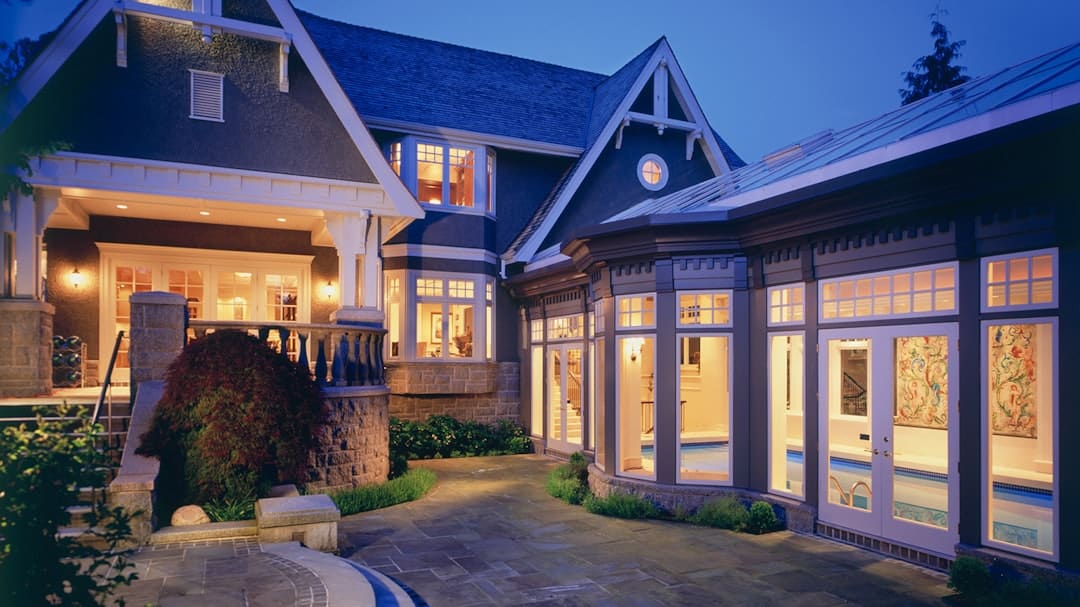








Introduction to Home Design
Home design is an intricate field that combines creativity, functionality, and an understanding of human behavior within physical spaces. In this comprehensive guide, we will explore the various aspects of home design, from understanding its importance and evolution to practical tips on furniture selection, decoration techniques, and creating a cohesive look. Whether you are a seasoned designer or a homeowner looking to revamp your space, this article will provide you with the essential knowledge to master home design.
Understanding the Importance of Home Design
The significance of home design extends beyond mere aesthetics; it plays a crucial role in enhancing our quality of life. A well-designed home can improve mood, increase productivity, and provide comfort. It is not just about creating a visually pleasing environment, but also about crafting spaces that cater to the needs and lifestyles of the inhabitants. For instance, an open-concept layout might foster family interaction, while dedicated workspaces can promote focus and efficiency.
Moreover, home design can influence the overall atmosphere of a home. Factors such as light, space distribution, and color can evoke different emotions, shaping our experiences within the environment. Understanding these elements empowers homeowners and designers alike to create spaces that resonate emotionally while serving practical purposes.
The Evolution of Home Design Trends
Home design has experienced significant transformations over the decades, reflecting societal changes, technological advances, and evolving aesthetic preferences. The mid-20th century saw the rise of modernism, emphasizing simplicity and functionality, whereas the late 20th century embraced eclectic styles, blending various influences. Today, there is a renewed focus on sustainability and minimalism, prioritizing eco-friendly materials and efficient use of space.
As we progress into the 21st century, the integration of technology into home design has also become paramount. Smart homes equipped with automated systems for lighting, heating, and security are now commonplace, showcasing a shift towards more sophisticated, user-friendly spaces. Understanding these trends helps individuals stay current and enables them to make informed choices when designing their homes.
Essential Elements of Home Design
Key Principles of Home Design
At the heart of effective home design are several key principles that guide the creation of functional and aesthetically pleasing spaces. These include balance, proportion, rhythm, and harmony. Balance can be achieved through symmetry or asymmetry, impacting the visual weight of objects in a room. Proportion refers to the relationship between different elements, ensuring that furnishings and décor feel appropriate within their environment.
Rhythm in design can be achieved through repetition—such as using similar colors, patterns, or shapes throughout a space—creating a flow that guides the eye naturally. Finally, harmony ties all components together, ensuring that each element complements the others, resulting in a cohesive look. Mastering these principles is essential for anyone looking to enhance their home design skills.
Choosing the Right Color Palette
Color plays a pivotal role in home design, influencing mood and perception. Selecting the right color palette involves understanding color theory and the psychological impact of colors. Warm colors, such as reds and yellows, tend to evoke energy and warmth, while cool colors, like blues and greens, can create a calming and serene environment.
When choosing a color palette, consider the function of each space. For instance, a home office may benefit from stimulating colors that promote concentration, while a bedroom might favor softer, more relaxing hues. Additionally, using a consistent color scheme throughout the home can create a sense of unity and flow, making spaces feel connected.
Furniture Selection for Optimal Home Design
Types of Furniture for Different Spaces
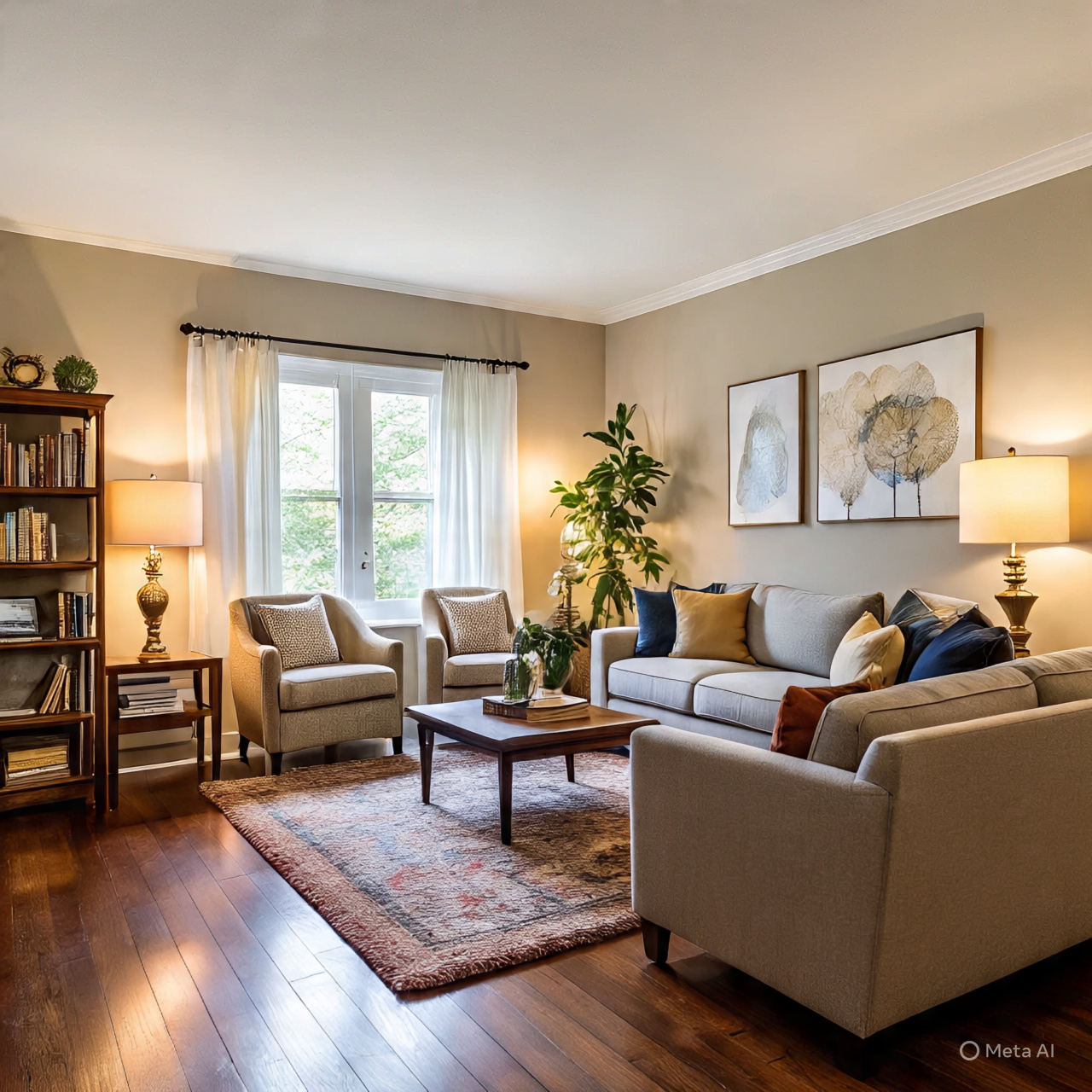
Selecting the right furniture is crucial in achieving a functional and stylish home design. Different spaces require different types of furniture; for example, a living room may need comfortable seating, entertainment units, and accent tables, while a dining area requires tables and chairs that facilitate dining experiences. Understanding the purpose of each room allows for more informed furniture choices that enhance usability and aesthetics.
Moreover, scale and proportion are essential when selecting furniture. Oversized furniture in a small space can create a cramped feeling, while small pieces in a large area may seem lost. It is important to measure spaces accurately and consider how furniture will interact with each other and the overall layout of the home.
Importance of Functionality and Comfort
While aesthetics are important, functionality and comfort should never be compromised. Choosing furniture that suits the lifestyle of the residents ensures that the space is not only beautiful but also practical. For instance, families with young children may prioritize durable, easy-to-clean materials, while pet owners might select furniture designed to withstand wear and tear.
Comfort is also a significant factor—it is essential that the furniture feels inviting and provides adequate support. Testing pieces before purchase is advisable, as comfort plays a crucial role in how a space is experienced. Balancing style with comfort and functionality leads to a more satisfying and enjoyable living environment.
Decoration Techniques to Enhance Home Design
Incorporating Art and Accessories
Decoration is what brings life and personality into a space, and art and accessories are key components of this process. Incorporating artwork—be it paintings, sculptures, or photographs—adds character and can serve as focal points within a room. The right pieces can enhance the overall aesthetic and reflect the taste of the inhabitants.
Accessories, including cushions, throws, rugs, and decorative objects, further enrich the environment. These elements allow for personal expression and can easily be changed out to refresh a space without extensive renovations. Thoughtfully selected accessories create a welcoming atmosphere and can dramatically transform the feel of a room.
Layering Textures for Visual Interest
Another effective decoration technique is the use of layering textures. Combining various materials—such as wood, metal, glass, and textiles—adds depth and visual interest to a space. For example, pairing a soft fabric sofa with a sleek glass coffee table and a rustic wooden accent chair creates a dynamic environment that feels curated and sophisticated.
Additionally, layering textures can enhance comfort and warmth. Incorporating soft textiles, such as plush rugs and cozy throws, alongside harder materials contributes to a balanced and inviting atmosphere. Experimenting with different textures not only enriches the aesthetic but also creates a sensory experience within the home.
Creating a Cohesive Look
Balancing Style and Functionality
Achieving a cohesive look in home design requires balancing style with functionality. While it is tempting to pursue the latest trends, it’s essential to consider how each element will work in harmony with everyday life. For instance, a beautifully designed room may lose its effectiveness if it does not cater to the practical needs of its users.
Finding this balance often involves making intentional choices about materials, colors, and furnishings. Selecting versatile pieces that serve multiple purposes can help maintain a clean and organized look while enhancing functionality. Striving for this balance ultimately leads to a home that is not only visually appealing but also supportive of its inhabitants’ needs.
Using Design Themes to Tie Everything Together
Design themes serve as guiding frameworks that can simplify the home design process and ensure consistency throughout the space. Popular themes, such as contemporary, industrial, or coastal, provide a cohesive aesthetic that can make decisions regarding colors, materials, and furnishings more straightforward. By selecting a theme, homeowners can create a unified look that feels intentional and well thought out.
When employing a design theme, it is important to remain flexible. While a consistent theme can provide structure, personal touches and variations should still be encouraged to avoid a space feeling too rigid or impersonal. This balance allows for creativity and individuality, making the home a true reflection of its inhabitants.
Conclusion: Transforming Your Space with Thoughtful Home Design
Encouragement to Experiment and Personalize
Home design is an ever-evolving journey that invites experimentation and personalization. As individuals engage with their spaces, they can adapt and modify elements to better reflect their changing tastes and lifestyles. The process should be enjoyable and fulfilling, allowing for creativity and self-expression.
Remember that there are no strict rules in home design—what works for one person may not work for another. Embrace the opportunity to explore various styles, colors, and designs, and take the time to discover what resonates most with you and your family.
Final Thoughts on Home Design Mastery
Mastering home design is about understanding the principles, the importance of functionality, and the significance of personal expression. By combining thoughtful planning with a creative flair, anyone can transform their living space into a home that is beautiful, functional, and uniquely theirs. As you embark on your home design journey, keep these principles in mind, and enjoy the process of creating spaces that enhance your life and reflect your personality.
FAQs
What are some popular home design styles?
Some popular home design styles include modern, transitional, contemporary, farmhouse, industrial, and minimalist. Each style has unique characteristics and appeals to different preferences and lifestyles.
How can I make a small space feel larger?
To make a small space feel larger, consider using light colors, mirrors to reflect light, and multi-functional furniture. Opting for a minimalist approach and keeping the space uncluttered can also create a more open feeling.
What role does lighting play in home design?
Lighting is crucial in home design as it influences the mood and functionality of a space. A well-lit room appears more inviting and spacious, while different lighting fixtures can enhance the aesthetic and highlight design features.
How can I incorporate sustainable practices into home design?
Incorporating sustainable practices can involve selecting eco-friendly materials, utilizing energy-efficient appliances, and implementing water-saving fixtures. Additionally, choosing vintage or second-hand furniture contributes to sustainability by reducing waste.